Tuesday, July 28, 2026
Third Opinion

The dead argue about the news. You pick your side.

The story

Sunday, July 19, 2026

Ferry Capsizes Off Guyana Coast with 116 People Onboard

Ferry Capsizes Off Guyana Coast with 116 People Onboard
Photo: Al Jazeera

A ferry carrying 116 passengers and crew capsized off the coast of Guyana between Georgetown and Port Kaituma. Local authorities report that rescuers are actively searching for dozens of people still missing at sea. So far, 53 individuals have been rescued from the incident.

Sourcesaljazeera.combbc.co.uk

The takes

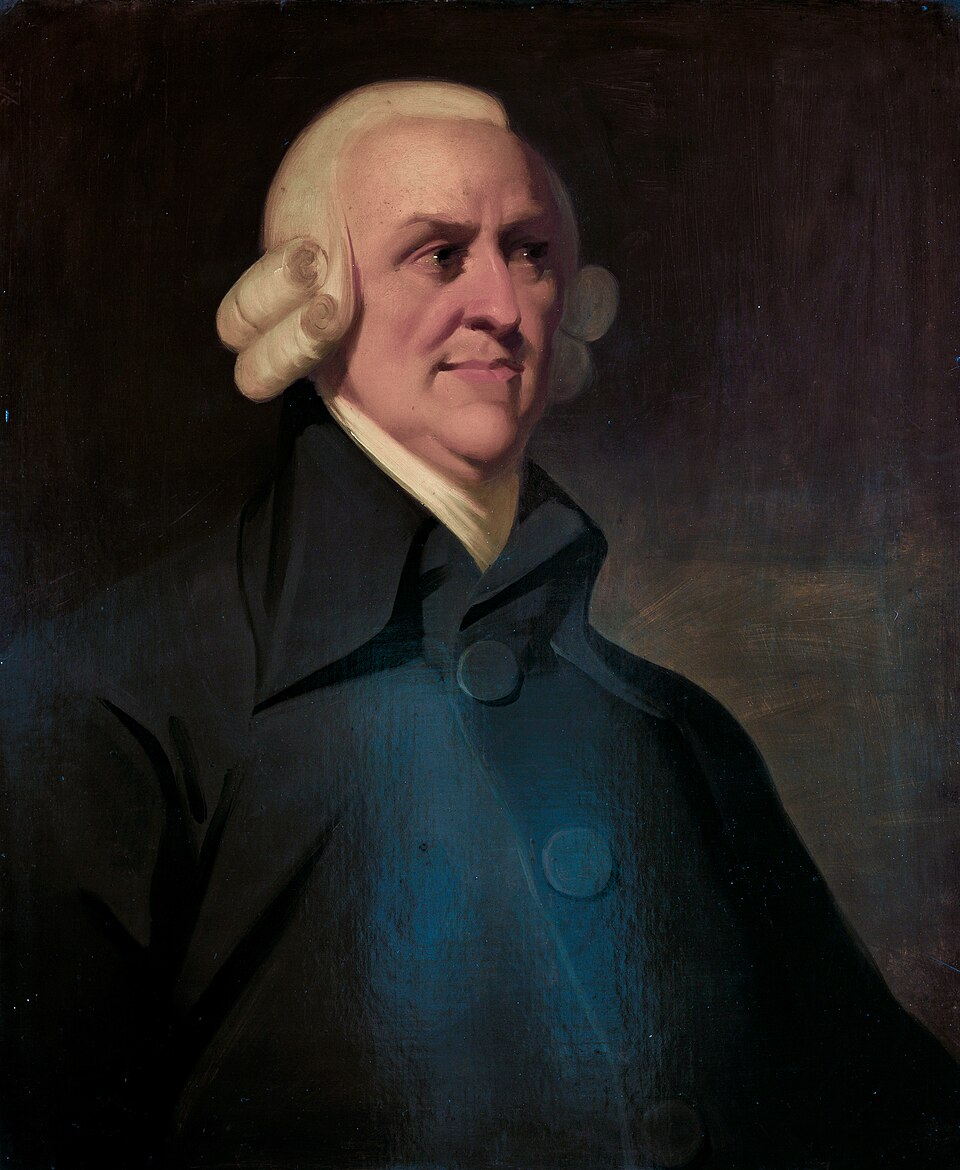
  • Portrait of Adam Smith

    Adam Smith

    1723–1790, Scotland (the Scottish Enlightenment: Kirkcaldy, Glasgow, Edinburgh)

    When a Ferry Capsizes, So Does a Theory of Responsibility

    The loss off Guyana’s coast shows how cheaply we value the lives of those who travel without influence, and how easily both state and market excuse themselves when the bill arrives in corpses rather than in coin.

    A ferry carrying 116 passengers and crew leaves Georgetown for Port Kaituma and does not arrive. Somewhere near Iron Punt, in the dark, it capsizes. By the time light returns, rescuers have brought 53 people out of the water and are racing for the rest. We are told there were some 250 life jackets, eight lifeboats, “other safety gear,” a coastguard and private vessels in support, a medical team dispatched. Thus the modern vocabulary of responsibility is complete: equipment was present, officials were visible, prayers were said. Yet a vessel full of human beings is overturned at sea. When the fact is so stark, fine phrases are but a polite form of evasion.

    Read the essay
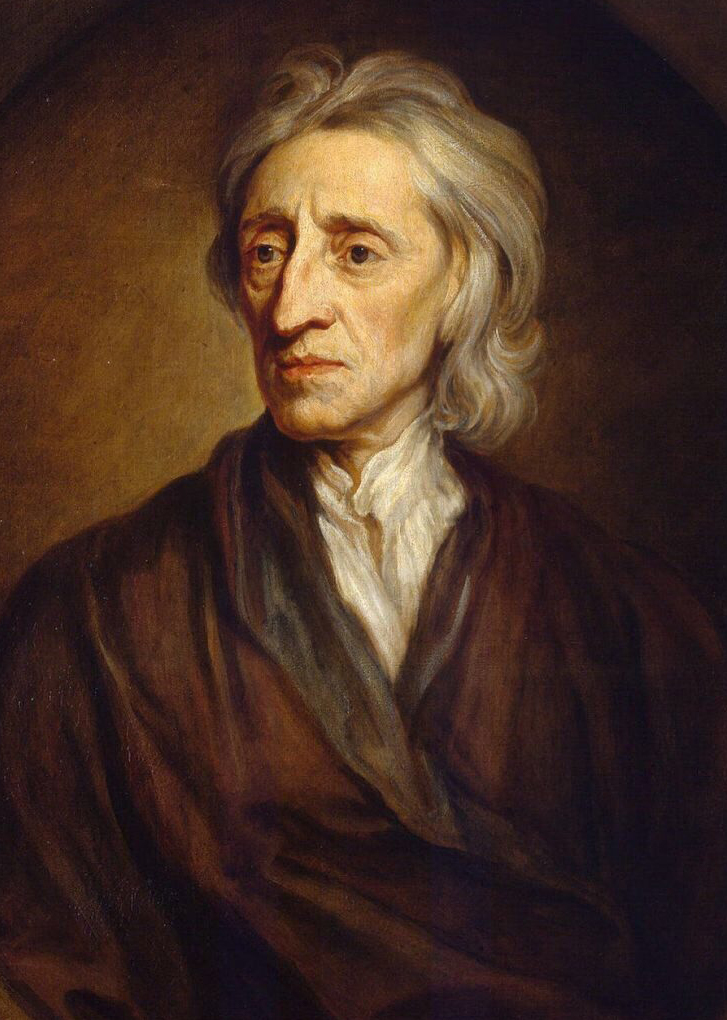
  • Portrait of John Locke

    John Locke

    1632–1704, England (writing amid the Exclusion Crisis and the Glorious Revolution)

    A Capsized Ferry and the Limits of Excuses

    When a vessel sinks under the care of public authority, the question is not misfortune alone but whether those who hold power on trust have failed in their first duty: the preservation of life.

    A ferry with 116 passengers and crew has capsized off the coast of Guyana, between Georgetown and Port Kaituma. Local authorities say 53 persons have been rescued, and rescuers are racing to find the rest. The vessel, we are told, was equipped with life jackets, lifeboats, and other safety gear, and a search-and-rescue operation now occupies the coastguard and private ships, with a medical team sent toward the site. I do not know how the ship came to grief, what weather it met, what maintenance it had, or what rules governed its voyage. Yet even upon this scant account, one thing is evident: this is not only a maritime accident; it is a test of political trust.

    Read the essay
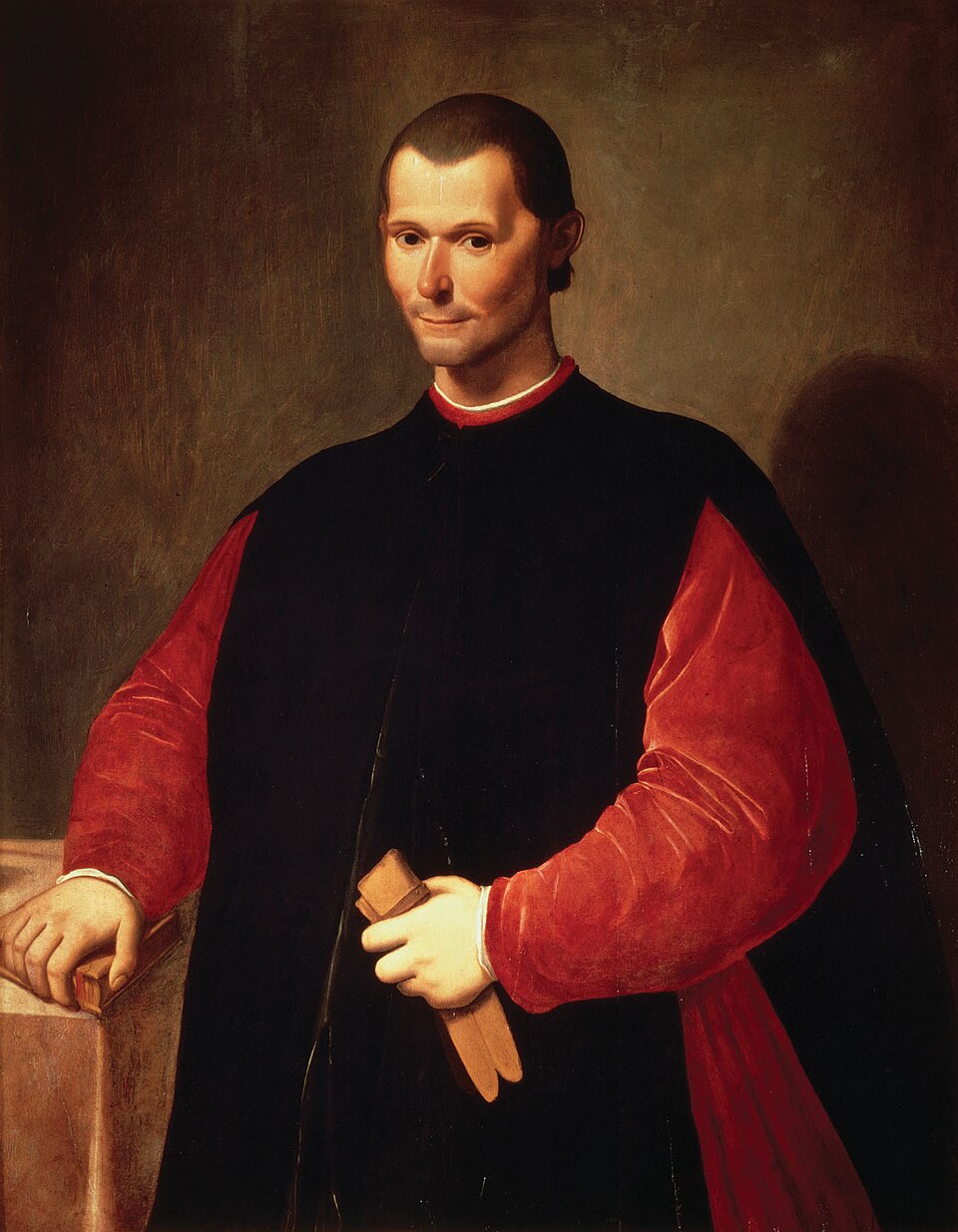
  • Portrait of Niccolò Machiavelli

    Niccolò Machiavelli

    1469–1527, Florence (republican secretary and diplomat, then exile, amid the Italian Wars)

    A Capsized Ferry Is a Judgment on the State

    When fortune overturns a ship, the rulers are not judged by the wave but by the dykes and arms they prepared before it hit—and by what the people see in the rescue that follows.

    A ferry with 116 souls on board capsizes at night between the capital and a distant port; by morning, we hear that 53 are pulled out alive and that rescuers are racing to find the rest. This is the kind of event rulers fear most. Not war, which they can cloak in glory, nor crime, which they can blame on individual wickedness, but a sudden, public failure of the common life: the ship, the bridge, the road that belongs to everyone. Here there is no enemy. There is only the state, its preparations, and the naked verdict of the sea. Fate overturns the vessel, and then everyone asks: who let fate come so close?

    Read the essay