Tuesday, July 28, 2026
Third Opinion

The dead argue about the news. You pick your side.

The story

Sunday, July 19, 2026

Taylor Farms Expands Lettuce Recall to 27 States Over Parasite Risk

Taylor Farms Expands Lettuce Recall to 27 States Over Parasite Risk
Photo: The Hill

Taylor Farms announced a voluntary recall of 25 shredded lettuce and salad mix products sourced from a contaminated lot in central Mexico. The recall affects products distributed to 27 states, including Texas, Florida, Pennsylvania, Illinois, and New Jersey. The company stopped purchasing lettuce from the implicated source and suspended distribution while working to remove the products from the market. The recalled items, sold under eight different brand codes, were shipped as recently as Thursday and carry "best by" dates through August. Federal health officials linked the lettuce to an outbreak of a diarrhea-causing parasite, which was also identified in lettuce served at Taco Bell restaurants in Indiana, Kentucky, Michigan, Ohio, and West Virginia. Taylor Farms is collaborating with the FDA, CDC, and state authorities as it notifies customers and manages the recall.

Sourcespbs.orgthehill.com

The takes

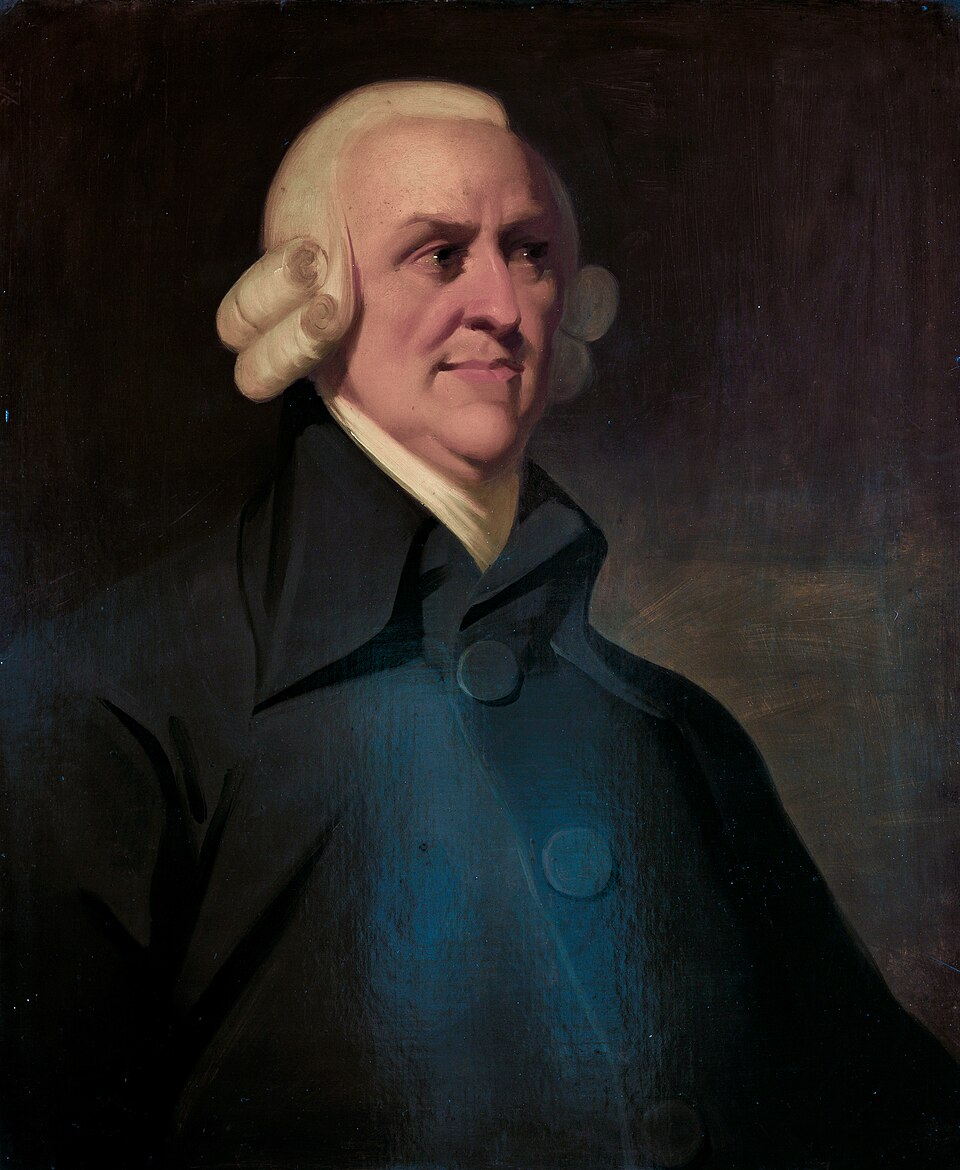
  • Portrait of Adam Smith

    Adam Smith

    1723–1790, Scotland (the Scottish Enlightenment: Kirkcaldy, Glasgow, Edinburgh)

    What Contaminated Lettuce Teaches About Honest Markets

    A voluntary recall across 27 states shows both the strength of commercial self-interest under law and the constant danger that fear may be forged into a weapon against competition.

    The story begins, inelegantly, in the stomach. A parasite that produces what your physicians call explosive disorders of the bowels has been traced by public health authorities to shredded iceberg lettuce from a lot in central Mexico. A California house, Taylor Farms, discovers that twenty‑five lettuce and salad products sent to twenty‑seven states may be implicated; federal agencies name it openly; a restaurant chain, having served this lettuce in several states, hastens to pull it from its tables. Distribution is suspended, customers are warned, and the company proclaims its cooperation with national authorities. The scene is sordid in its particulars, but it concerns the same high matters as any question of trade: trust, information, and who ultimately bears the loss when things go wrong.

    Read the essay

  • Portrait of John Locke

    John Locke

    1632–1704, England (writing amid the Exclusion Crisis and the Glorious Revolution)

    Contaminated Lettuce and the Question Who Rules at the Dinner Table

    When a company’s choices reach into our very bowels without our knowledge or assent, we are no longer talking of trade alone but of power — and power demands justification, not excuses after the fact.

    That bags of shredded lettuce, grown in one country, processed in another, and served in restaurants across twenty‑seven states, should become the vehicle of a parasite causing what your physicians now call “explosive diarrhea,” is not only a story of sickness but of rule. For here a private company, Taylor Farms, by its common course of business, gained a power over the health of many thousands, perhaps more than can yet be counted. It chose a supplier in central Mexico, shipped products widely, and only when federal health officials linked that source to a cyclospora outbreak did it expand a voluntary recall and suspend distribution. The damage, it seems, had already begun.

    Read the essay
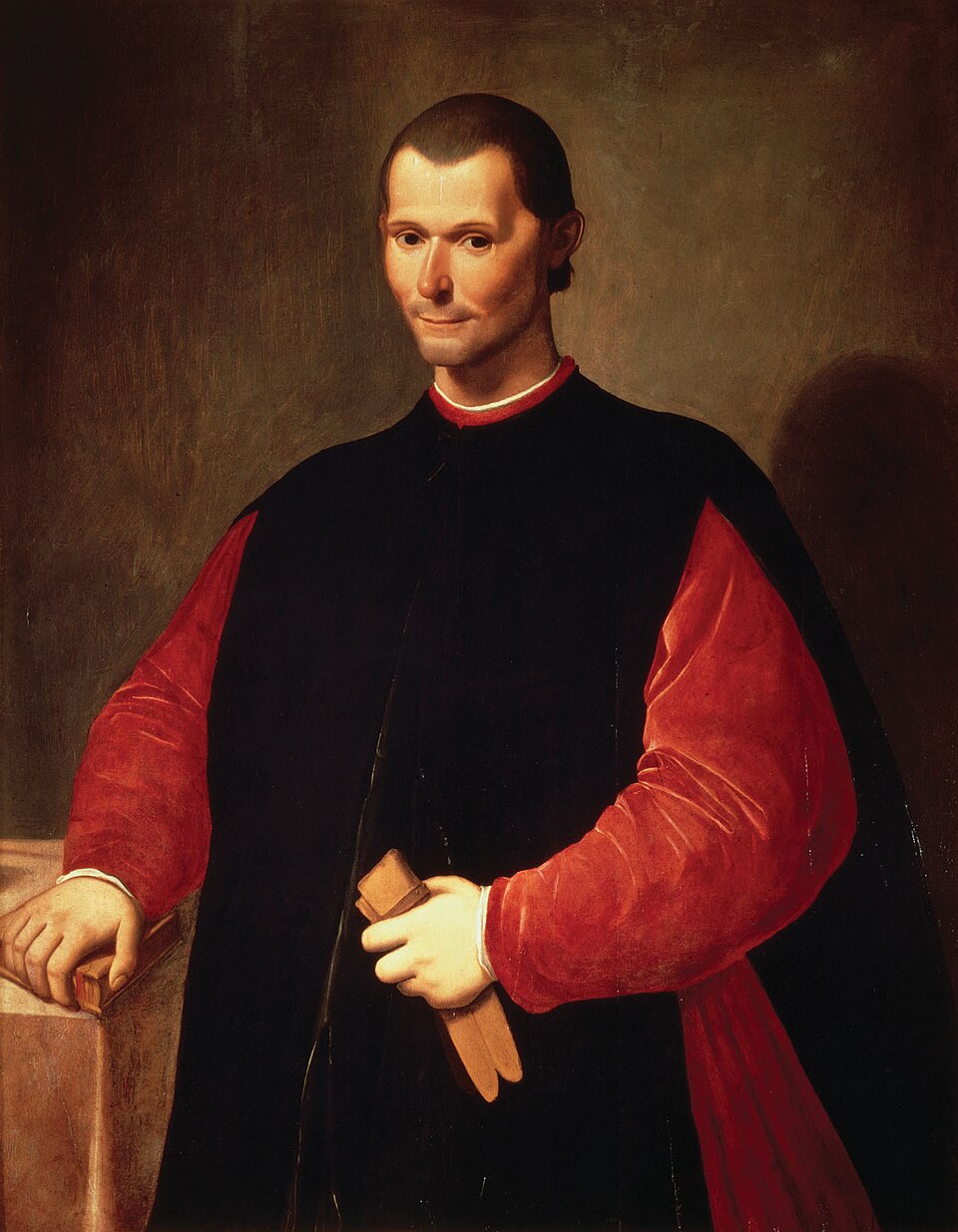
  • Portrait of Niccolò Machiavelli

    Niccolò Machiavelli

    1469–1527, Florence (republican secretary and diplomat, then exile, amid the Italian Wars)

    What a Salad Recall Teaches About Power and Half-Measures

    When tainted lettuce sickens a continent, we can see in miniature how rulers stand or fall: by preparation before the flood, severity used once and well, and the arms to make a decision bite.

    A company that sells lettuce has discovered what every prince learns too late: rule badly, and your subjects get diarrhea. Taylor Farms, I am told, supplies shredded lettuce and salad mixes, some of which are now linked by federal health officials to a parasite outbreak across many states. The company answers with a voluntary recall of 25 products, halts purchases from the Mexican lot in question, suspends distribution from that source, and proclaims its cooperation with the FDA, CDC, and state authorities. This is the visible theater. The effectual truth lies elsewhere: in how many more fall sick, how many packages are actually pulled back, and whether trust in the wider food order holds or fractures.

    Read the essay