Tuesday, July 28, 2026
Third Opinion

The dead argue about the news. You pick your side.

The story

Sunday, July 26, 2026

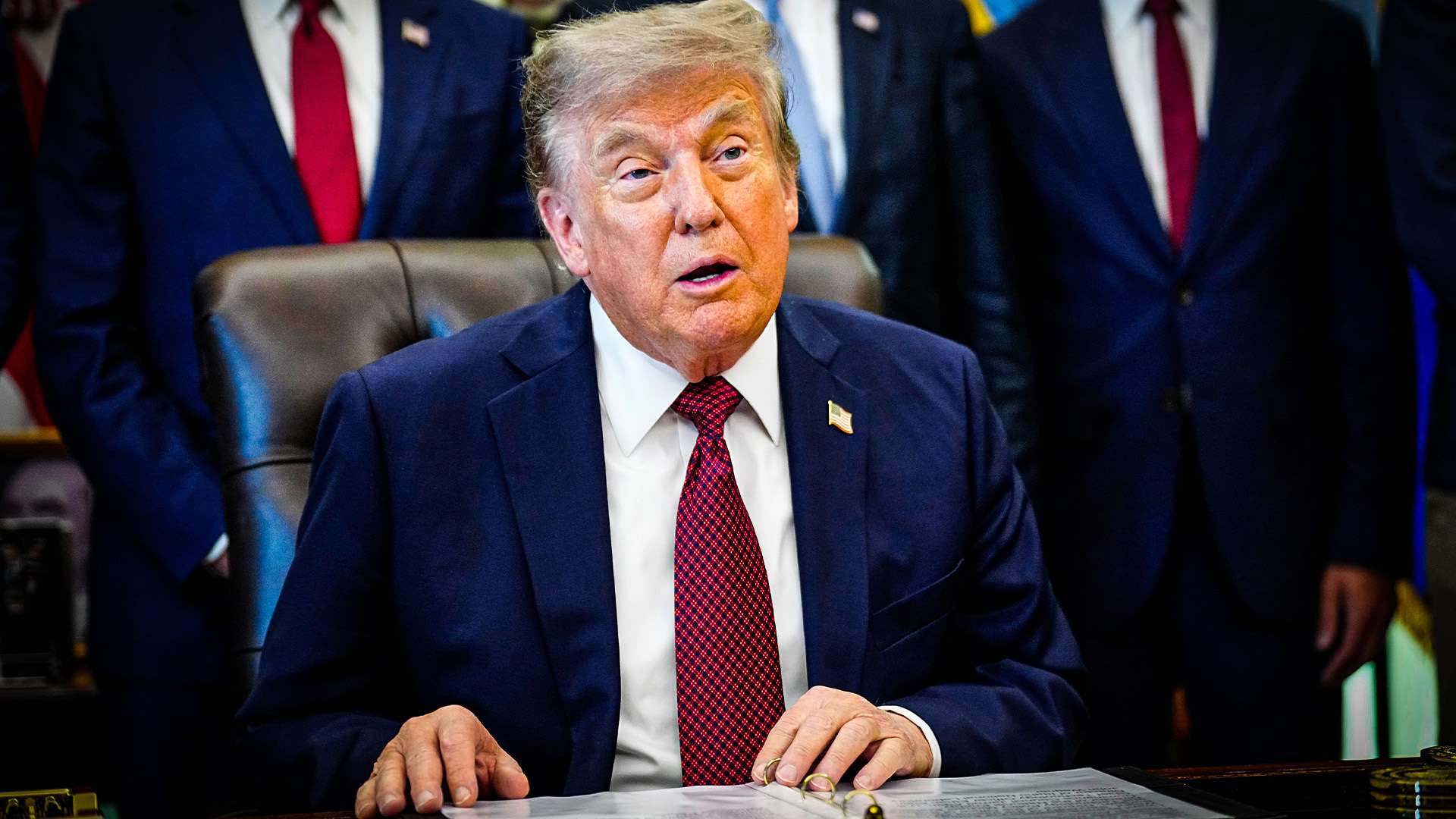
Trump Administration Denies Thousands of Clemency Requests Amid White House Correspondents' Dinner Remarks

Trump Administration Denies Thousands of Clemency Requests Amid White House Correspondents' Dinner Remarks
Photo: Reason

The Trump administration stated that America has a long history of believing in the potential of its people. Despite this, President Donald Trump denied approximately 6,000 clemency applications this month, following recent discussions by White House staff about granting 250 pardons to mark the nation's 250th anniversary. Additionally, President Trump addressed the media at the White House Correspondents' Association dinner, an event celebrating press freedom, where he made critical remarks about the press. This dinner was held after the initial event was canceled three months prior due to a shooting.

Sourcesreason.comfoxnews.commotherjones.combbc.co.ukpbs.orgthehill.comfoxnews.comfoxnews.compbs.orgmotherjones.com

The takes

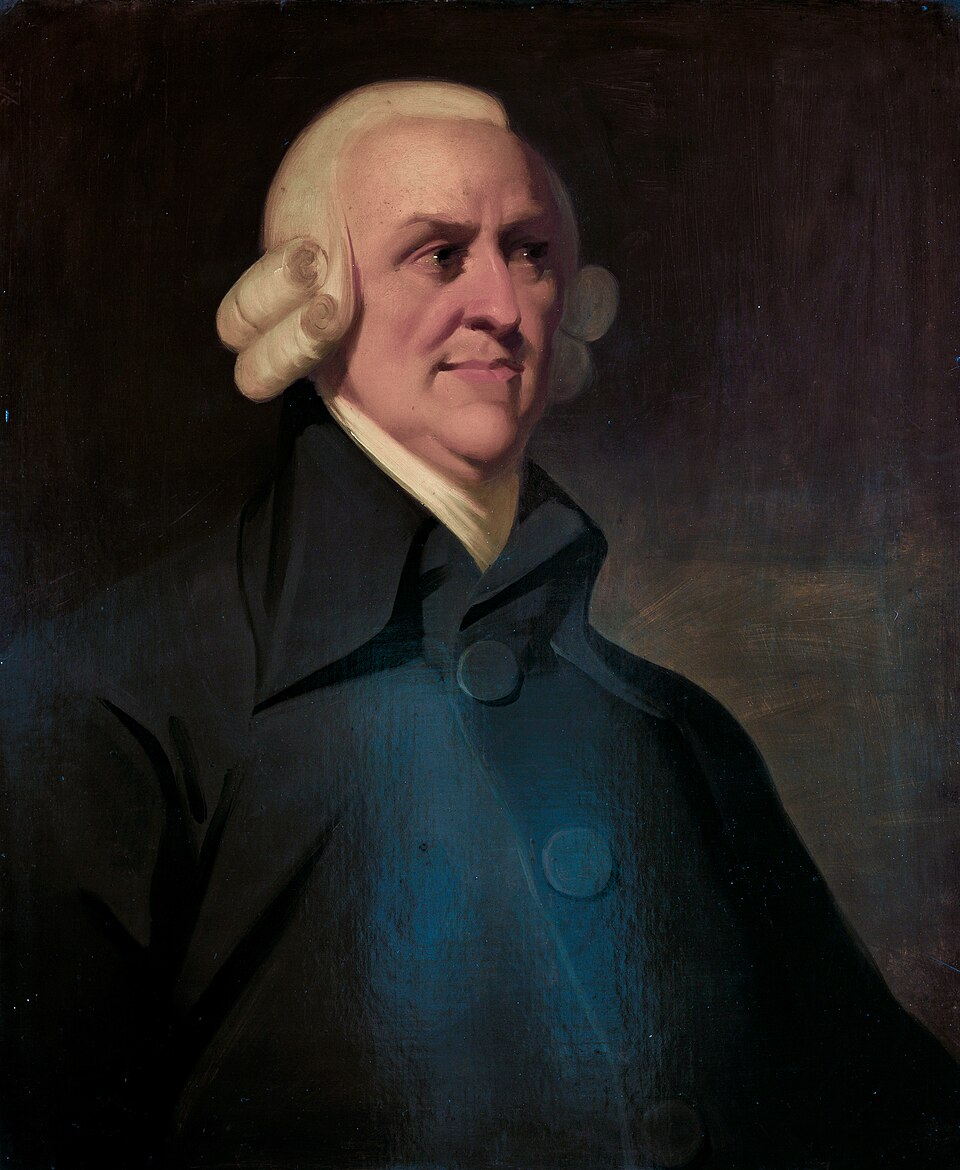
  • Portrait of Adam Smith

    Adam Smith

    1723–1790, Scotland (the Scottish Enlightenment: Kirkcaldy, Glasgow, Edinburgh)

    Mercy by the Thousands, Denial by the Dozen

    When a government boasts of human potential while rejecting 6,000 pleas for clemency, the impartial spectator is bound to ask whose interests, and whose feelings, are truly being served.

    The spectacle is simply described: an administration proclaims that, for 250 years, its nation has believed in the potential of its people; its counsellors then toy with a grand gesture of 250 pardons to mark a patriotic anniversary; and the magistrate, when the moment arrives, denies about 6,000 applications for clemency instead. At a separate feast of wit and vanity, he jests about the press and future terms in office. Here are two theatres of power: one where mercy is counted, and another where applause is counted. The question for a philosopher of morals is not how cleverly the lines are delivered, but how the unseen costs of this drama are distributed among those who never attend the performance.

    Read the essay

  • Portrait of John Locke

    John Locke

    1632–1704, England (writing amid the Exclusion Crisis and the Glorious Revolution)

    Mercy by the Thousands, Denied by One

    When a single magistrate casually refuses thousands of pleas for mercy while proclaiming a national faith in “second chances,” the question is not sentiment but whether such prerogative still rests on the consent of free and equal people, or has slipped into arbitrary power no man could approve befo

    I begin from the few things here reported as settled. The executive in this republic recently denied about 6,000 clemency applications, even as his own staff had floated a public spectacle of 250 pardons to mark a national anniversary. The administration had, not long before, declared that for 250 years America has stood for the potential of its people and the belief in second chances. I do not know who these 6,000 petitioners were, nor the reasons in each case; that ignorance I must frankly own. But I do know what it means, in any age, when mercy becomes a theatre and refusal becomes routine.

    Read the essay
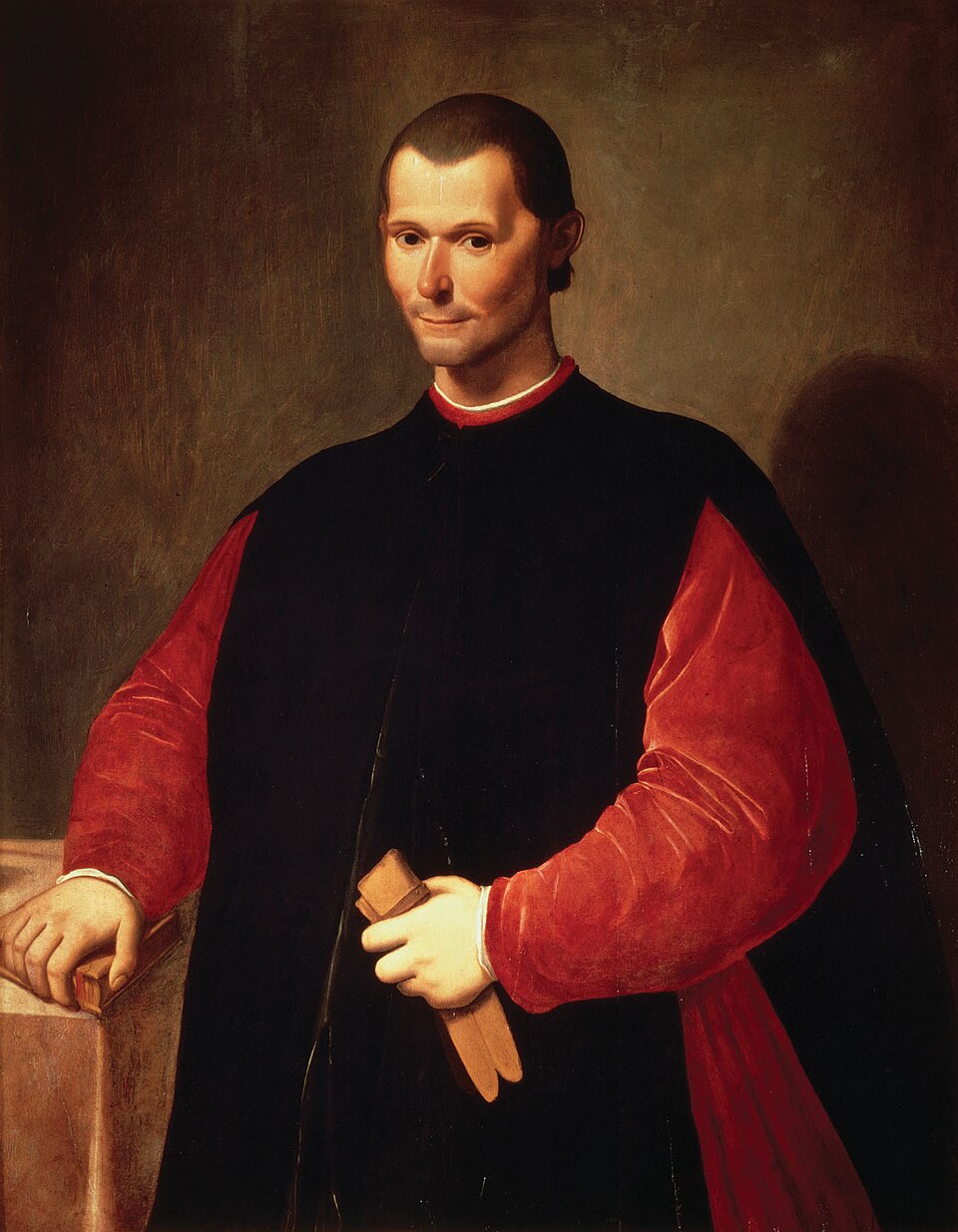
  • Portrait of Niccolò Machiavelli

    Niccolò Machiavelli

    1469–1527, Florence (republican secretary and diplomat, then exile, amid the Italian Wars)

    A Prince of Second Chances Who Grants None

    When a ruler proclaims mercy then denies 6,000 pleas, the question is not hypocrisy but whether this cold severity truly fortifies the republic or merely burnishes the prince.

    A few months ago the ruler of your republic declares that for 250 years America has believed in the “potential of its people.” This month he denies roughly 6,000 clemency applications in one sweep. Before that, his own staff had floated a celebration of the semiquincentennial with about 250 pardons. On the stage, then, we see a prince of second chances; in the chancery, a clerk with a rubber stamp that says no. I pay less attention to the sermons than to the ledgers. The effectual truth is simple: thousands who sought mercy remain in chains, and the grand festival of forgiveness shrinks to a cancelled plan.

    Read the essay