
Tuesday, July 28, 2026
Third Opinion

The dead argue about the news. You pick your side.

The story

Tuesday, July 28, 2026

Savannah Guthrie Issues New Public Plea in Mother's Kidnapping Case

Savannah Guthrie Issues New Public Plea in Mother's Kidnapping Case
Photo: PBS NewsHour

Savannah Guthrie, host of the "Today" show, released a video on July 27, 2026, pleading with the kidnappers of her 84-year-old mother, Nancy Guthrie, who disappeared in February. In the video posted to her Instagram account, Guthrie described her family as living an unending nightmare and expressed that they are "in agony" and "will never stop looking for her." NBC's Erin McLaughlin reported that this latest message may be a response to a new line of communication in the case. Guthrie emphasized the ongoing distress caused by the situation, stating, "The world can be a cruel and unforgiving place." This video represents the most recent public appeal since Nancy Guthrie's disappearance nearly six months prior.

Sourcespbs.orgfoxnews.com

The takes

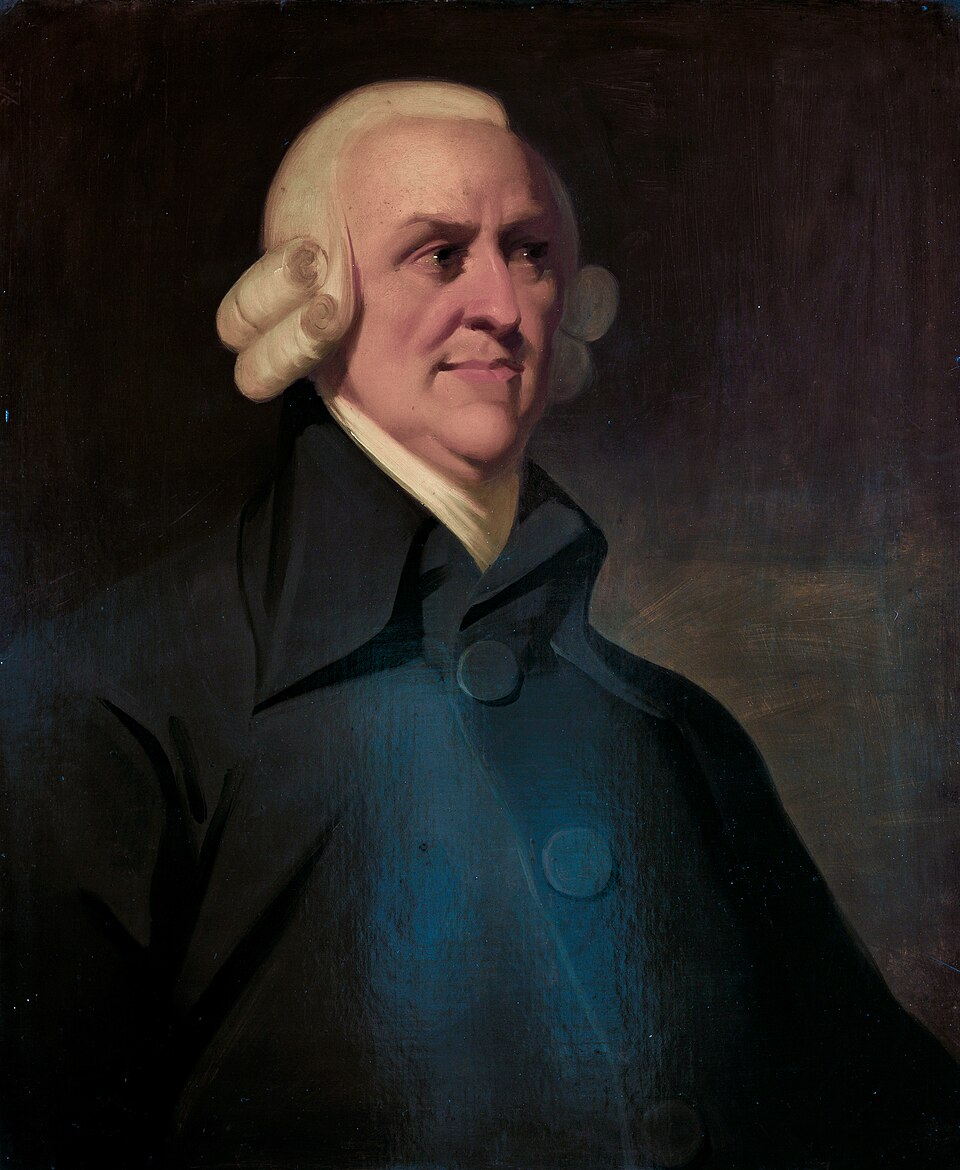
  • Portrait of Adam Smith

    Adam Smith

    1723–1790, Scotland (the Scottish Enlightenment: Kirkcaldy, Glasgow, Edinburgh)

    A Kidnapped Mother, a Public Plea, and the Duties of Justice

    When a daughter begs her mother’s kidnappers on a public stage to “tell us where to look for her,” the question is not of markets but of the sovereign’s oldest charge: to protect the innocent from injury.

    A woman of some public eminence has turned to the modern equivalent of a town square to address those who, it is said, have carried off her eighty‑four‑year‑old mother from her home. Nearly six months after the disappearance, she records a message in which she speaks of an “unending nightmare,” of a family “in agony,” and of their resolve that they “will never stop looking for her.” She tells the unseen offenders that “the world can be a cruel and unforgiving place,” and adds that her family has offered a reward for information. It is a scene at once novel in its instruments and very ancient in its sentiments: grief, fear, hope, and the demand for justice.

    Read the essay
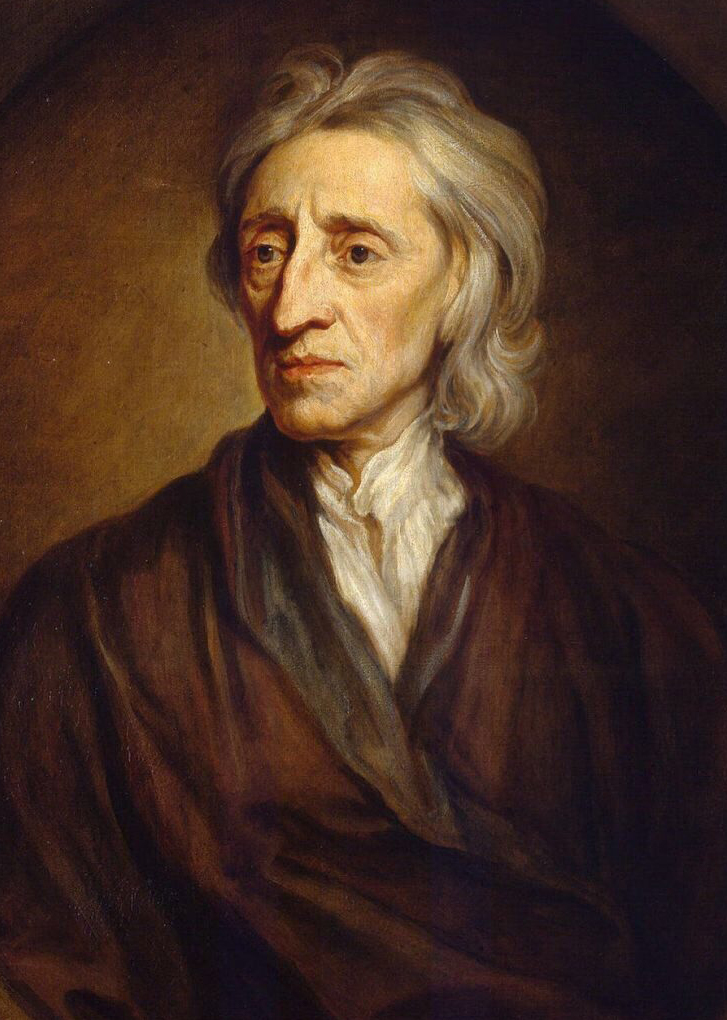
  • Portrait of John Locke

    John Locke

    1632–1704, England (writing amid the Exclusion Crisis and the Glorious Revolution)

    Kidnapping Is Not Crime Alone but War Against the Person

    Savannah Guthrie’s public plea to her mother’s kidnappers exposes not only private agony but the return of naked, lawless power that every just government is bound to suppress or be shamed by.

    I read that a daughter, Savannah Guthrie, has turned to a curious public stage – a moving image broadcast through something called Instagram – to beg those who kidnapped her 84‑year‑old mother: “Tell us where to look for her.” Nearly six months after the disappearance from a home in Arizona, she speaks of an “unending nightmare,” of a family “in agony,” and promises they “will never stop looking for her.” Some speak of a “new line of communication,” perhaps ransom letters, perhaps something else; the facts are not yet clear. But this much is clear beyond dispute: whoever stole this woman from her house claimed over her a power that no man can rightfully have over another.

    Read the essay
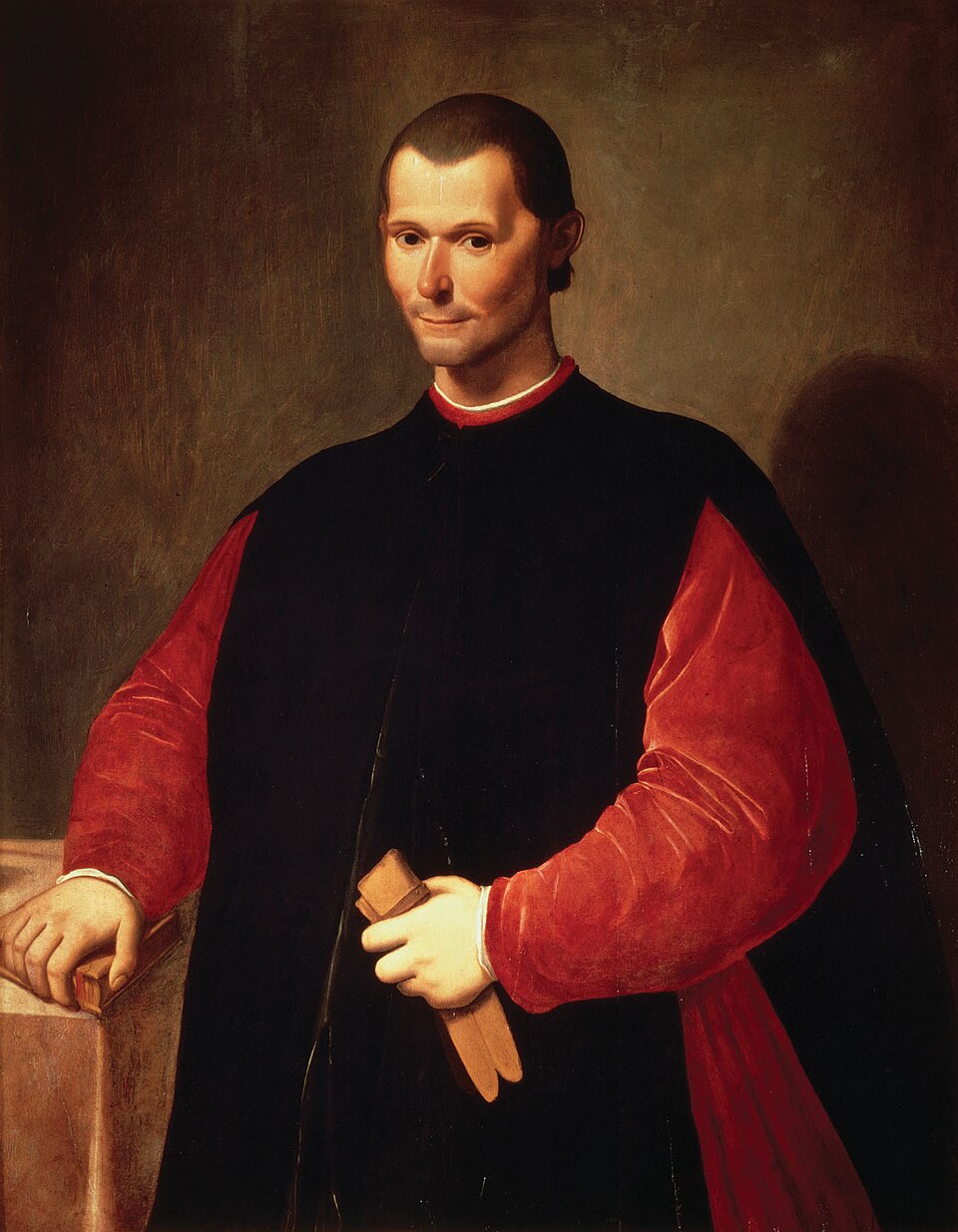
  • Portrait of Niccolò Machiavelli

    Niccolò Machiavelli

    1469–1527, Florence (republican secretary and diplomat, then exile, amid the Italian Wars)

    Savannah Guthrie Just Turned Grief Into Leverage

    When kidnappers live by silence, forcing them onto the stage is not despair but strategy — an act of virtù against a long run of fortuna.

    The scene is cruelly simple. A daughter, Savannah Guthrie, looks into a small glass eye and speaks to the people who took her eighty‑four‑year‑old mother. She says her family is in agony, that they are living an unending nightmare nearly six months after the disappearance, and she begs: “Tell us where to look for her.” She puts this on a public stage — her Instagram, her profession’s cameras — knowing the world will watch. Reporters say this may answer to a “new line of communication.” So there is the stage, the plea, the hint of contact. When you strip away the tears, you are left with a political question: who is trying to move whom, and how?

    Read the essay