Tuesday, August 25, 2026
Third Opinion

The dead argue about the news. You pick your side.

The story

Friday, July 31, 2026

Data Center Development Compared to Interstate Highway System in Cost

Data Center Development Compared to Interstate Highway System in Cost
Photo: The Hill

An infrastructure project involving data centers is being compared in scale and cost to the interstate highway system, with internal calculations from the Progressive Policy Institute estimating a cost of around $700 billion in 2026 dollars. Despite former President Trump's strong endorsement of data centers as significant economic drivers, skepticism has increased among his 2024 voters, who are now divided on the issue. There is a suggestion that if these public concerns result in a more measured and community-focused approach to data center development, it could be beneficial compared to the current rapid expansion described as a digital goldrush.

Sourcesthehill.commotherjones.commotherjones.commotherjones.comnpr.org

The takes

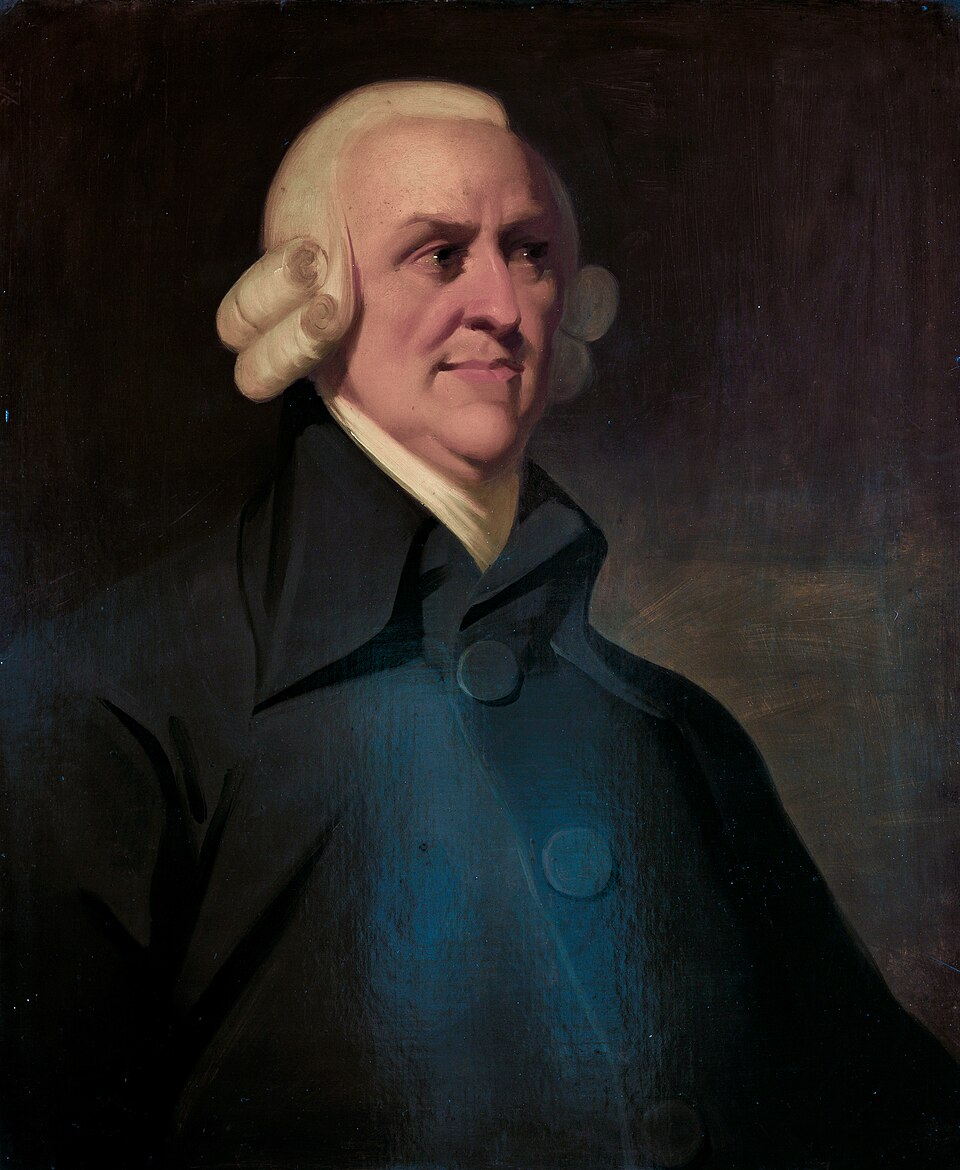
  • Portrait of Adam Smith

    Adam Smith

    1723–1790, Scotland (the Scottish Enlightenment: Kirkcaldy, Glasgow, Edinburgh)

    Build the digital roads, but mind who pays the tolls

    Data centers may be this age’s interstate highways, but without moral discipline and civic prudence they will become private turnpikes financed from the public’s purse.

    You are told that the new data center build‑out is the largest infrastructure project since your interstate highways, and that its cost is reckoned at some seven hundred billion dollars. You are further assured that these complexes are “big, strong, bold…Money Machines.” Yet those most courted by such language are, you report, increasingly divided about the scheme. When the intended beneficiaries grow doubtful while the promoters grow ever more emphatic, the impartial spectator, of whom I spoke in The Theory of Moral Sentiments, would suspect that the distribution of burdens and benefits is not quite as the prospectus suggests.

    Read the essay
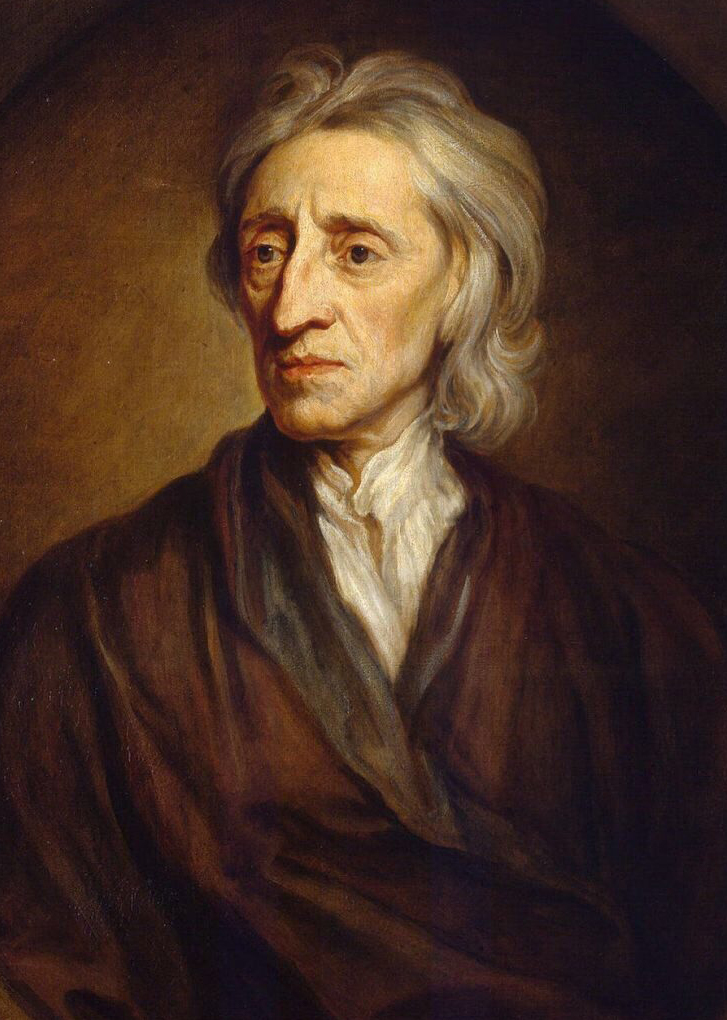
  • Portrait of John Locke

    John Locke

    1632–1704, England (writing amid the Exclusion Crisis and the Glorious Revolution)

    Data Centers Without Consent Are Just Another Form of Arbitrary Power

    A $700 billion digital buildout can be lawful and beneficial only if it proceeds by genuine consent, clear law, and visible public good, not by a frenzied goldrush in which power judges in its own case.

    I find it striking that your largest infrastructure project since the highway system should be proposed, not for the passage of bodies and goods, but for the passage and storage of what you call data. We are told that these data centers may cost some $700 billion, that some praise them as “big, strong, bold … Money Machines,” and yet that skepticism grows, even among those who once followed such praise with little question. I take no side in your factions; I attend rather to the form of power here attempted. For such an undertaking touches lives, liberties, and estates on a scale that demands we ask, in sober earnest, by what right it is done.

    Read the essay
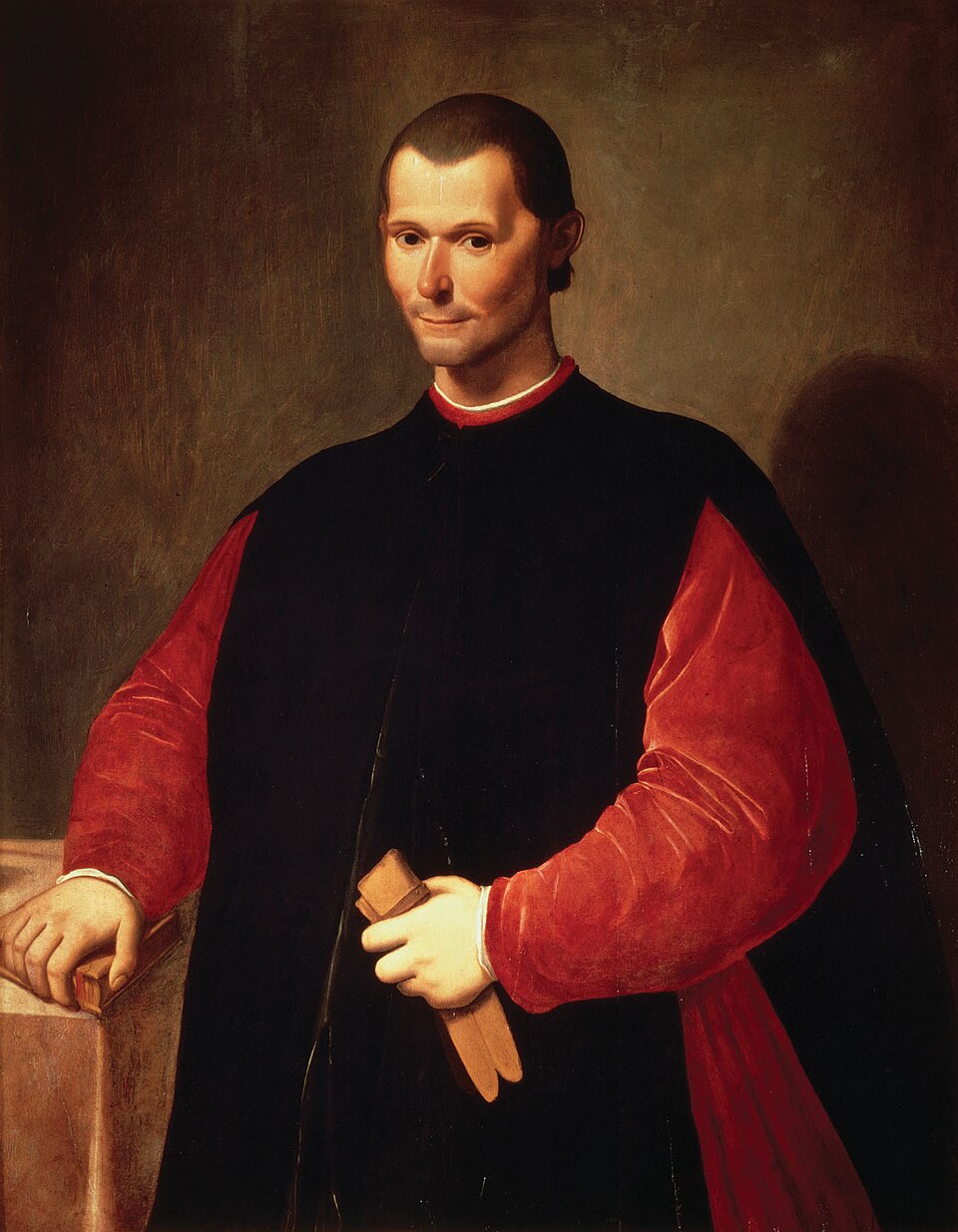
  • Portrait of Niccolò Machiavelli

    Niccolò Machiavelli

    1469–1527, Florence (republican secretary and diplomat, then exile, amid the Italian Wars)

    Data Centers, Money Machines, and the Perils of the Middle Course

    A $700 billion digital highway can renew a republic’s strength—or expose its corruption—depending on how boldly leaders marry virtù, arms, and public conflict.

    You are building, I am told, the largest infrastructure project since your interstate highways, with costs around $700 billion. This is not a boutique venture. It is a new system of roads, only the traffic is data and the tolls are counted in power, land, and money. One of your leaders sells these data centers as “big, strong, bold … Money Machines.” That phrase is not an accident. It is an attempt to seize the narrative, to make citizens see in this project not risk but abundance, not inconvenience but treasure. When a ruler baptizes concrete with rhetoric, he is not merely speaking; he is arming himself with appearances.

    Read the essay