Tuesday, August 25, 2026
Third Opinion

The dead argue about the news. You pick your side.

The story

Friday, July 31, 2026

Senator Cornyn Withholds Support for Acting AG Nomination Amid Trump Dispute

Senator John Cornyn of Texas has withheld his support for the nomination of acting Attorney General Todd Blanche. This decision is linked to President Trump's proposed "anti-weaponization" fund. Cornyn did not object to the fund prior to Trump's endorsement of Cornyn's primary opponent. President Trump responded with criticism early on Friday regarding Cornyn's actions.

Sourcesthehill.comnytimes.comnpr.orgmotherjones.comthehill.comreason.combbc.co.ukmotherjones.comnpr.orgnpr.orgreason.commotherjones.commotherjones.com

The takes

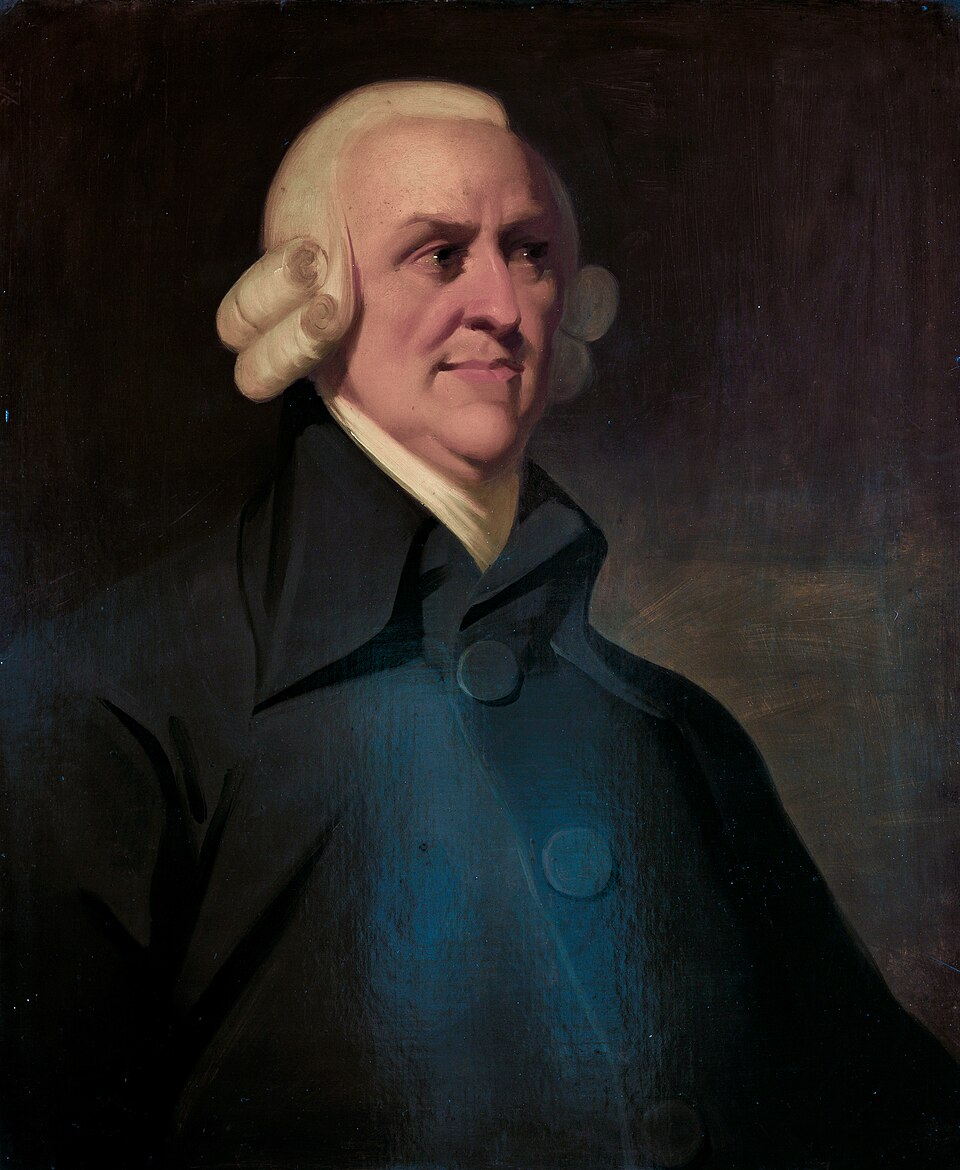
  • Portrait of Adam Smith

    Adam Smith

    1723–1790, Scotland (the Scottish Enlightenment: Kirkcaldy, Glasgow, Edinburgh)

    When Justice Becomes a Bargaining Chip

    Withholding support for a chief law officer to gain leverage over a proposed “anti-weaponization” fund reveals less about principle than about the political market in which justice is bought and sold.

    The immediate scene is briskly drawn. A president proposes an “anti-weaponization” fund; a senator, who had raised no earlier objection to this contrivance, now withholds his support for the president’s chosen attorney general, and does so, we are told, after the president favours a rival in the senator’s party contest. The sovereign’s chief law officer becomes collateral in an intra-party quarrel; the fund, which ought to be judged on its institutional merits, is instead a token in the higgling and bargaining of political men. When appointments to administer justice are treated thus, the whole people are invited to see the law not as an impartial shield, but as a move in a very small game.

    Read the essay
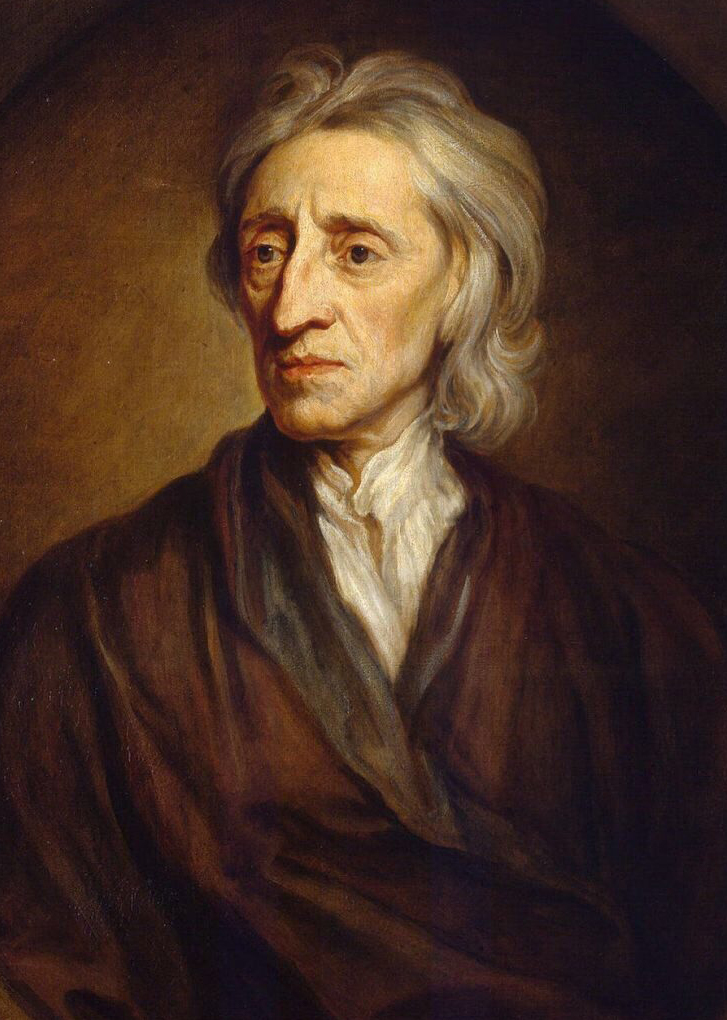
  • Portrait of John Locke

    John Locke

    1632–1704, England (writing amid the Exclusion Crisis and the Glorious Revolution)

    When a President Punishes Scrutiny, He Forgets Who Holds the Power in Trust

    A senator’s refusal to speed an attorney general into office is not rebellion but the plain exercise of the people’s safeguard against arbitrary rule.

    I read that a president of this republic has proposed an “anti-weaponization” fund, that a senator has taken alarm at it, and that the same president, displeased, has publicly lashed out and blessed a challenger against him. I learn also that the senator now withholds his support for the president’s chosen attorney general, Todd Blanche, and that the president replies by saying the senator never objected to this fund before the endorsement of a rival. In these bare facts there is much I do not know; yet there is one thing I see clearly. When the executive punishes scrutiny, the true question is not the senator’s consistency, but the president’s claim of power.

    Read the essay
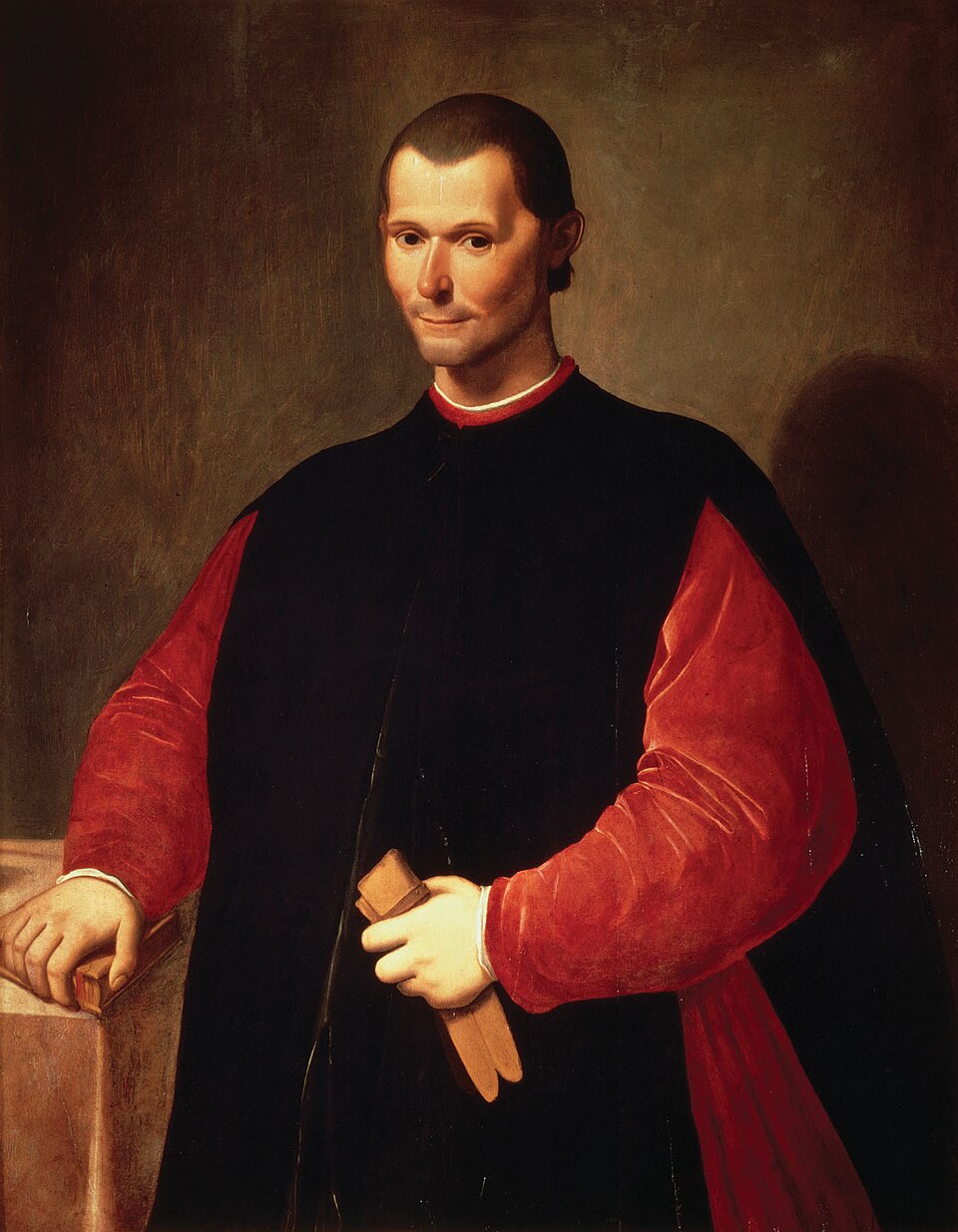
  • Portrait of Niccolò Machiavelli

    Niccolò Machiavelli

    1469–1527, Florence (republican secretary and diplomat, then exile, amid the Italian Wars)

    A Lame-Duck Senator Shows More Teeth Than a Would-Be Prince

    By blocking an attorney general over an 'anti-weaponization' fund only after a rival is endorsed against him, a departing senator practices the harsh arithmetic of survival better than the leader who tried to command his loyalty on credit.

    I start from the only effectual truth we are given. A president proposes an “anti-weaponization” fund. He wants Todd Blanche as attorney general. The senator from Texas has not objected. Then the president endorses a primary opponent against this same senator. Only after that blow does the senator withhold his support for Blanche’s nomination, using his lame-duck position to stand in the way and, as one report has it, to “wield his leverage.” The president lashes out in response and complains that the senator “never had a problem” with the fund before. Strip away the modern names and you have an old story: a chief trying to rule with borrowed arms, and a captain who remembers they are his.

    Read the essay