Tuesday, August 25, 2026
Third Opinion

The dead argue about the news. You pick your side.

The story

Sunday, August 2, 2026

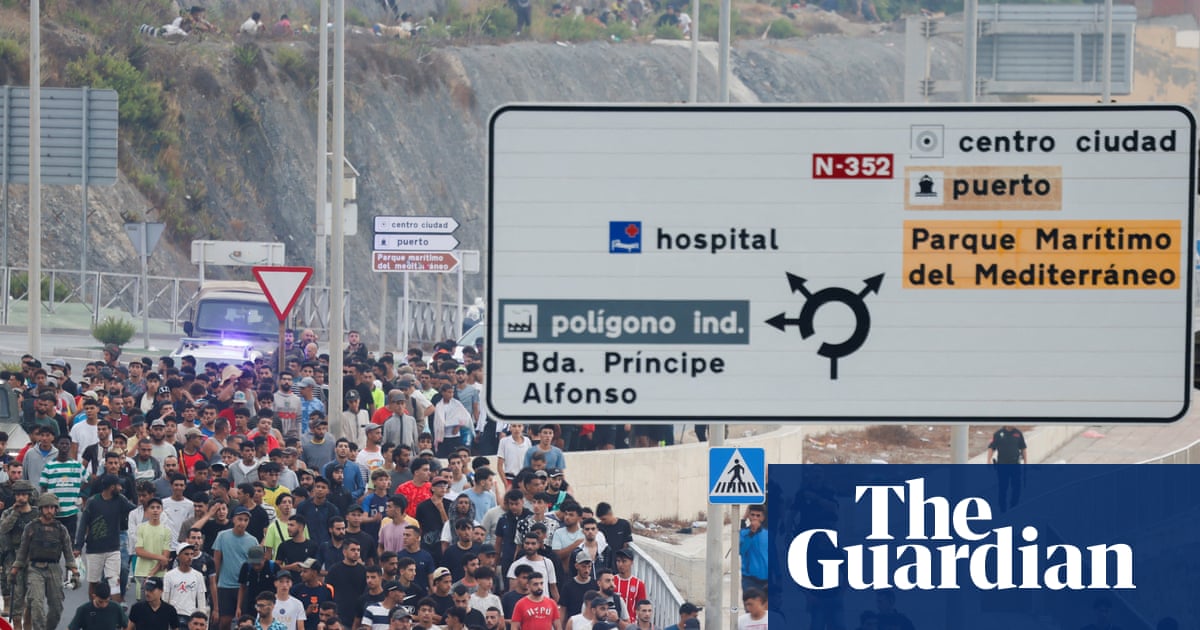
Tens of Thousands of Migrants Enter Ceuta from Morocco, Most Return

Tens of Thousands of Migrants Enter Ceuta from Morocco, Most Return
Photo: The Guardian World

On 30 July, approximately 50,000 to 60,000 migrants crossed into the Spanish exclave of Ceuta from Morocco. The Spanish government estimated about 50,000 crossings, while the president of Ceuta cited a figure closer to 60,000. The influx occurred with the cooperation of the Moroccan state. Following the mass crossing, most migrants have returned to Morocco, escorted by Spanish soldiers and police to the border.

Sourcesbbc.co.uktheguardian.comtheguardian.comnationalreview.com

The takes

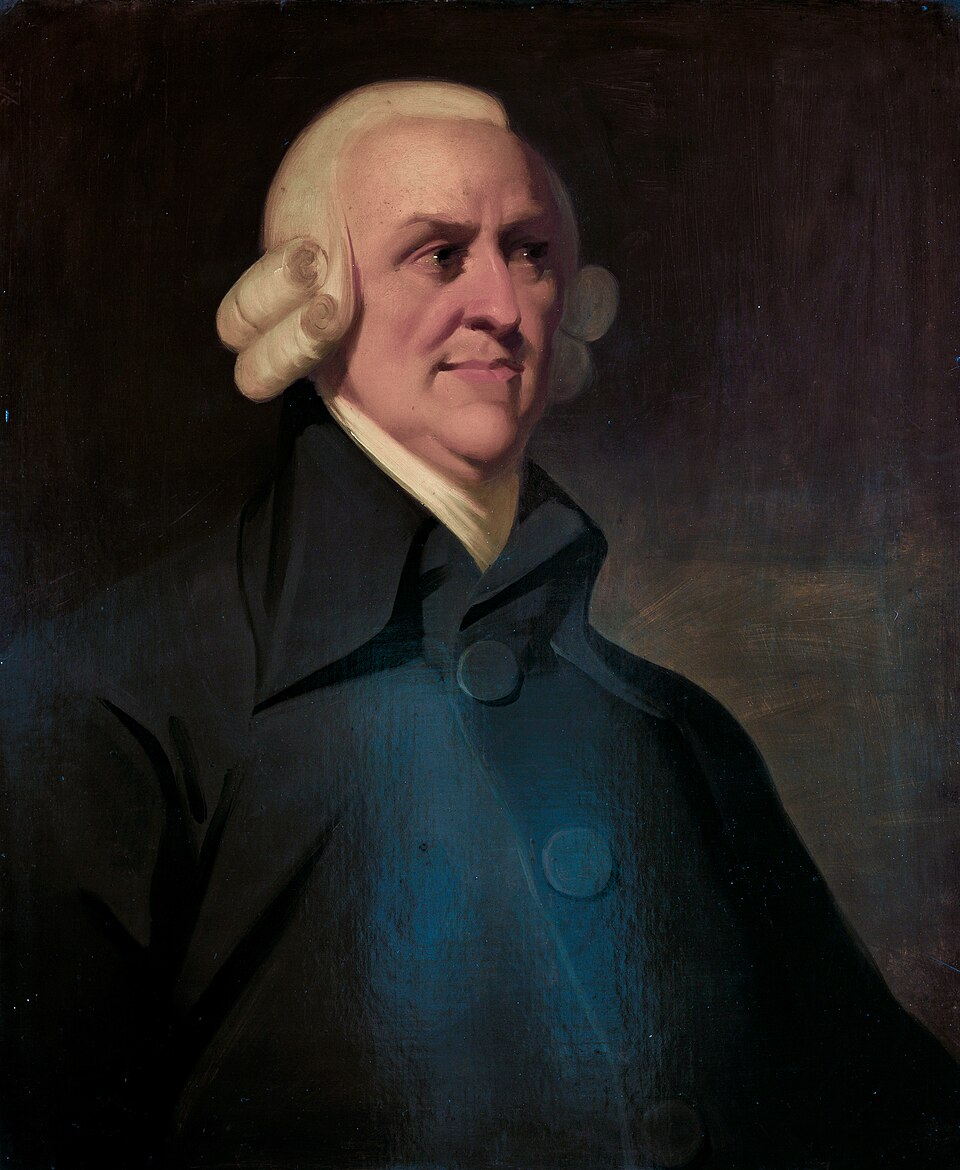
  • Portrait of Adam Smith

    Adam Smith

    1723–1790, Scotland (the Scottish Enlightenment: Kirkcaldy, Glasgow, Edinburgh)

    Mass Crossings at Ceuta and the Politics of Other People’s Misery

    The rush of tens of thousands into a small Spanish enclave reveals not only desperate seekers of work, but also governments treating human beings as bargaining chips and voters as an audience for theatrics.

    One does not easily picture sixty thousand people entering a town by swimming. Yet we are told that tens of thousands crossed from Morocco into the Spanish enclave of Ceuta in little more than a day, with many braving the sea, and that scores, perhaps more than seventy, have been drowned. Most have now been escorted back by soldiers and police. A spectacle of this kind naturally invites language of invasion on the one side and of humanitarian crisis on the other. But before we choose our favourite epithet, the impartial spectator would ask a cooler question: whose fortunes were being pursued, and at whose expense, in this extraordinary transaction?

    Read the essay

  • Portrait of John Locke

    John Locke

    1632–1704, England (writing amid the Exclusion Crisis and the Glorious Revolution)

    Ceuta Shows What Happens When Borders Forget They Are Held on Trust

    When tens of thousands risk the sea and dozens die between Morocco and Ceuta, the failure is not of walls but of the governments that forgot their power was fiduciary, not absolute.

    I begin from the sea. Bodies are pulled from it, at least fifty‑seven by one account, more than seventy by another; beside them float rubber rings and flippers that mark both the desperation and the poverty of those who used them. Tens of thousands, some say fifty thousand and others sixty, cross from Morocco into the Spanish enclave of Ceuta in scarcely more than a day. Most are then escorted back to the border by Spanish soldiers and police. Great states argue over sovereignty, security, and treaties; yet the first question is simpler: what became of the lives entrusted to their care?

    Read the essay
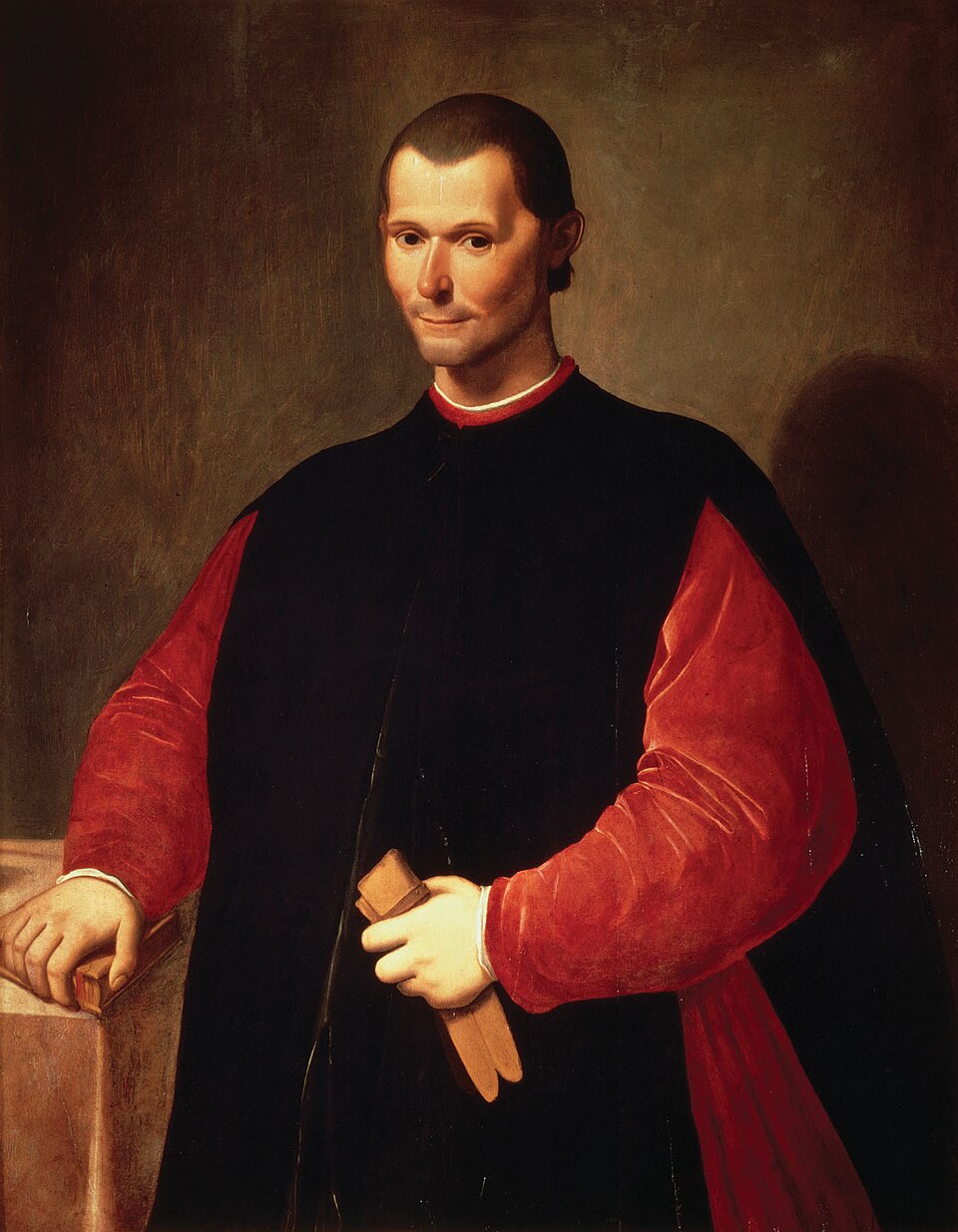
  • Portrait of Niccolò Machiavelli

    Niccolò Machiavelli

    1469–1527, Florence (republican secretary and diplomat, then exile, amid the Italian Wars)

    Morocco Opened the Gates, Spain Blinked

    When a neighbour turns migration into a weapon, the state that has not raised its dykes in fair weather will drown in the first flood.

    Sixty thousand people do not simply “pour” into a walled enclave by mistake. When tens of thousands swim or rush into Ceuta in a single day, and when this happens, as reported, “with the cooperation of the Moroccan state”, the first fact is not humanitarian but political: a neighbouring power has tested Spanish sovereignty with human bodies as battering rams. At least 57 and perhaps more than 70 lie dead in the water. This is the effectual truth. A state has used the misery of migrants as artillery against another state that preferred to think of its frontier as a moral question rather than a strategic one.

    Read the essay