Tuesday, August 25, 2026
Third Opinion

The dead argue about the news. You pick your side.

The story

Sunday, August 9, 2026

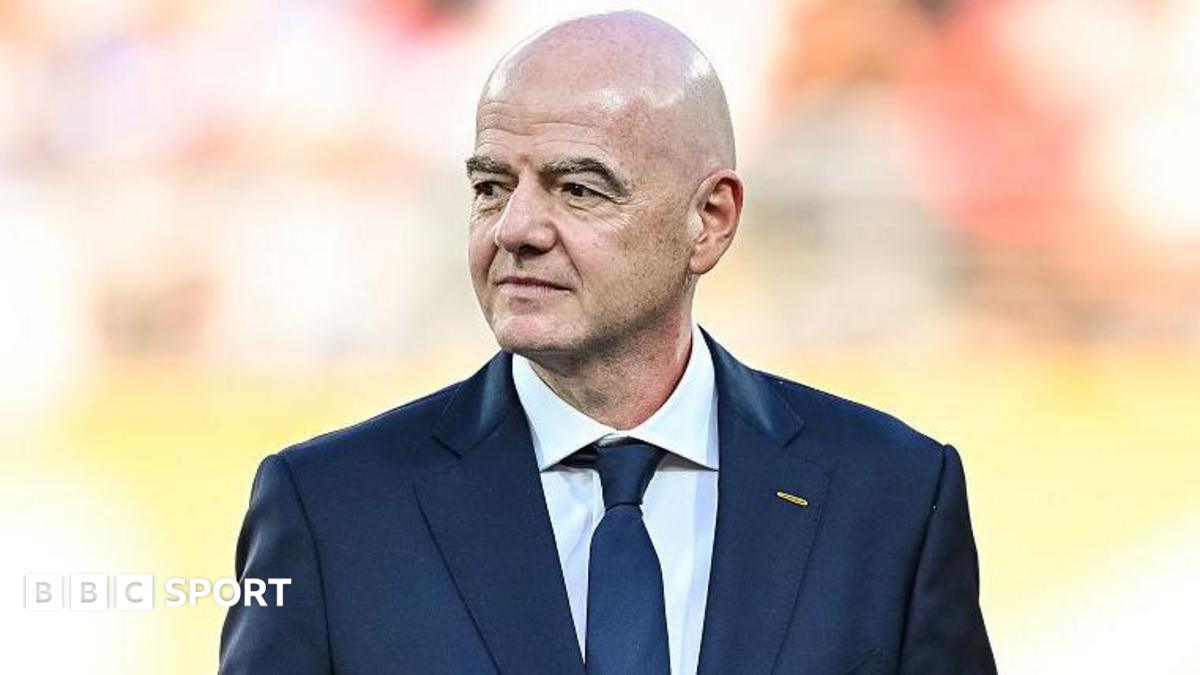
FIFA reaffirms support for Infantino amid calls for resignation

FIFA reaffirms support for Infantino amid calls for resignation
Photo: BBC World

Following a crisis meeting in Morocco, FIFA issued an apology to its 211 member associations for errors in handling the proposed World Cup spinoff and reaffirmed its full support for President Gianni Infantino. FIFA emphasized that attempts to remove Infantino should follow established democratic processes involving all member countries. The organization highlighted that Infantino was democratically elected and continues to serve with the mandate of FIFA's Member Associations. While UEFA expressed a loss of confidence in Infantino and the Norwegian Football Federation President Lise Klaveness called for his resignation, the Confederation of African Football unanimously supports him. Similarly, Conmebol stated it would reject any attempt to remove Infantino without a vote involving all 211 FIFA member countries. FIFA also committed to challenging inaccurate or misleading reporting about the president.

Sourcesaljazeera.combbc.co.ukpbs.orgreason.comtheguardian.com

The takes

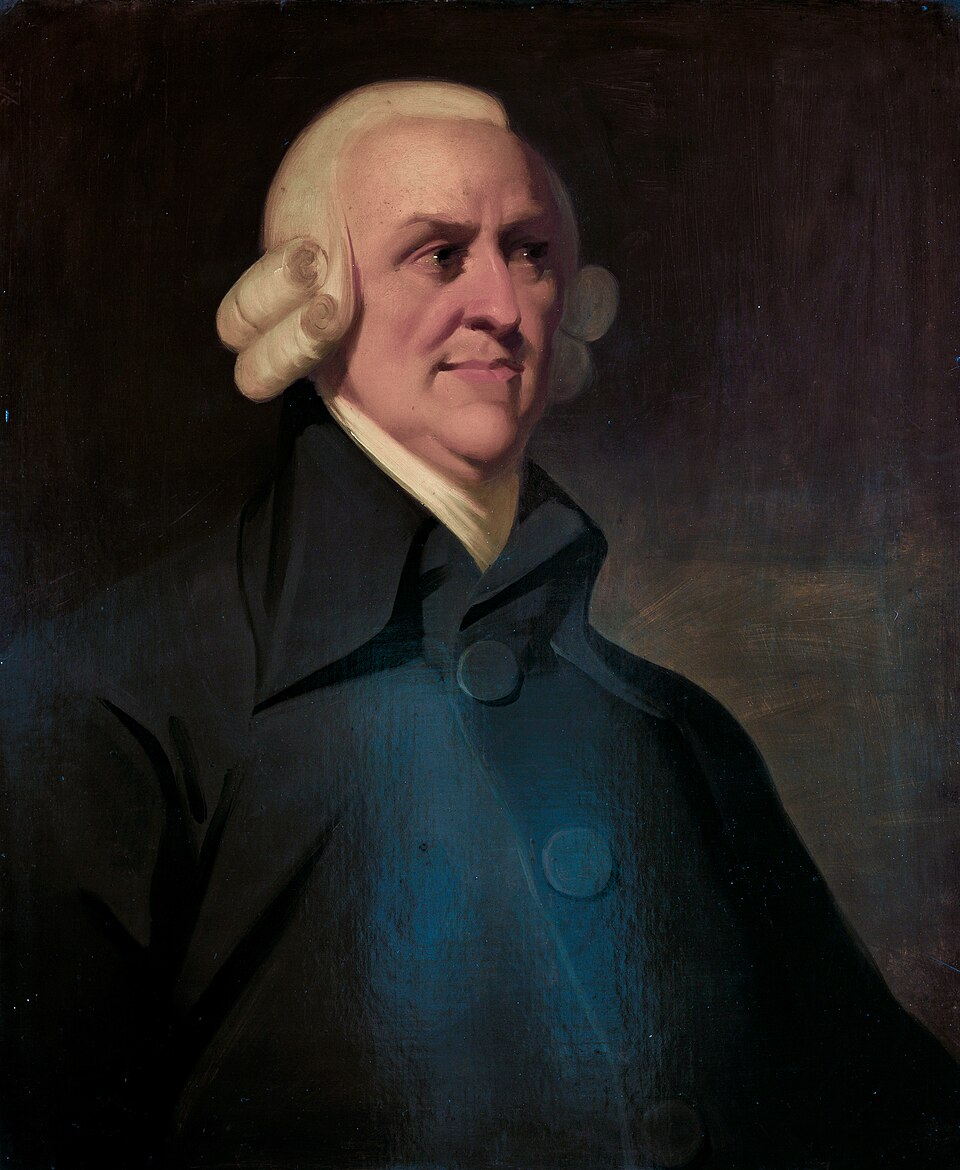
  • Portrait of Adam Smith

    Adam Smith

    1723–1790, Scotland (the Scottish Enlightenment: Kirkcaldy, Glasgow, Edinburgh)

    FIFA’s Crisis Is Not a Conspiracy, but a Design Flaw

    When a global game is governed by a parliament of 211 associations and a court of public opinion, the real struggle is not between hero and villain but between interest and institutional design.

    The scene, as it is described to me, is almost theatrical. A great sporting confederation gathers in Morocco amid uproar over a proposed World Cup spinoff and a plan to raise vast sums by selling tournament rights. The leadership apologises to its 211 member associations for “mistakes” in handling this affair, then in the same breath reaffirms its full support for its chief officer. One powerful regional bloc publicly declares it no longer has confidence in that leader; another calls for resignation on the ground that “institutional trust” has been lost. Yet other regions declare unanimous support and denounce a “concerted effort” to oust the incumbent. The ball, it appears, is not the only thing being contested.

    Read the essay

  • Portrait of John Locke

    John Locke

    1632–1704, England (writing amid the Exclusion Crisis and the Glorious Revolution)

    FIFA’s President Is Not a Monarch

    When a leader claims a democratic mandate yet bristles at being judged by those who granted it, the trust that makes authority legitimate begins to fray.

    The affair now agitating world football turns on a simple question: what sort of power does the president of FIFA hold? We are told he was “democratically elected” by 211 member associations, that he “continues to serve with their mandate,” and that some confederations “unanimously back” him. We are also told that UEFA has lost confidence, that the Norwegian federation’s president declares he lacks the institutional trust required to govern, and that calls for his resignation are abroad. Between these two tales stands FIFA’s own voice, decrying a “concerted effort” to undermine its president, promising to challenge “inaccurate or misleading” reporting “directly and vigorously,” and warning against removal by any means but its “established democratic processes.”

    Read the essay
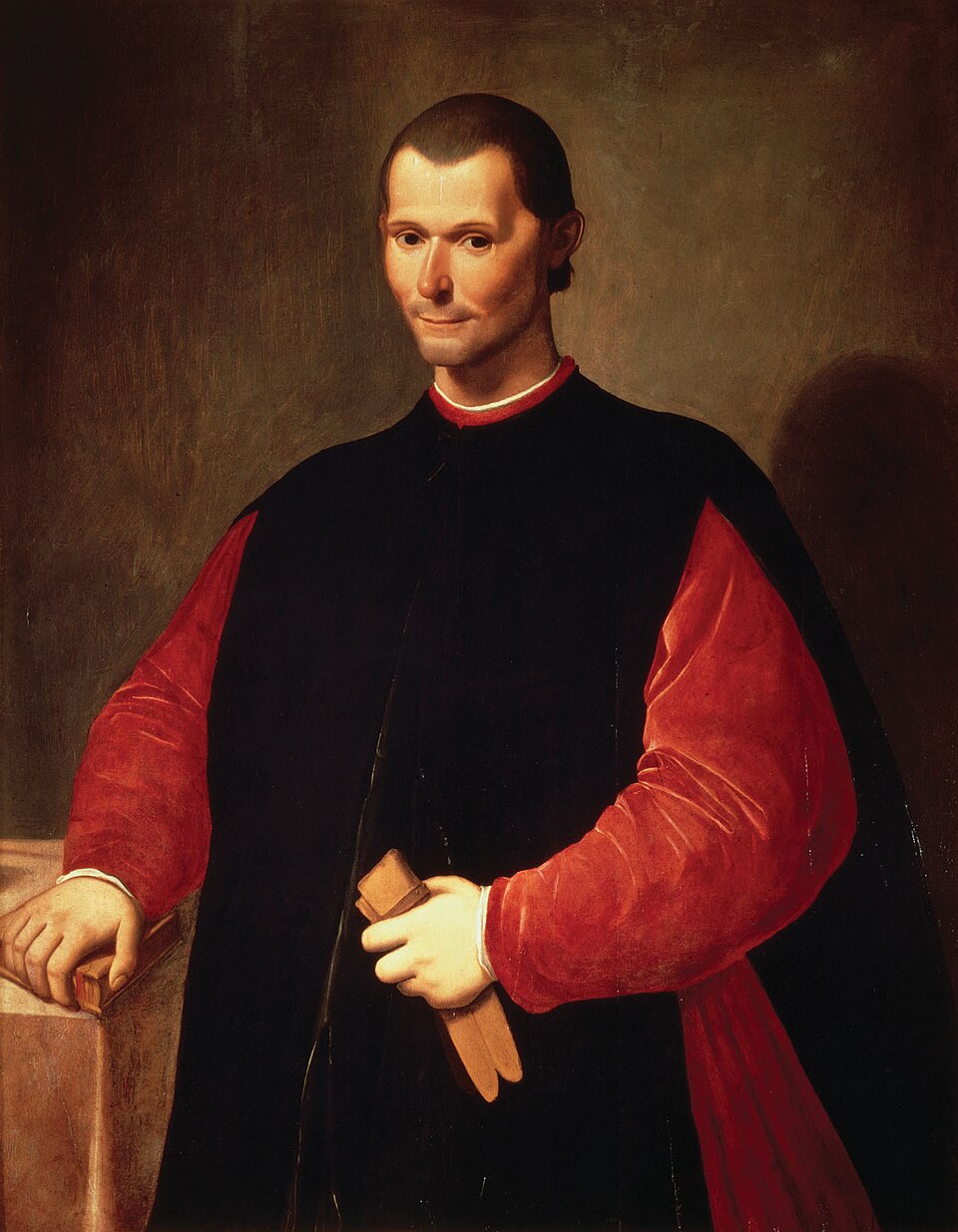
  • Portrait of Niccolò Machiavelli

    Niccolò Machiavelli

    1469–1527, Florence (republican secretary and diplomat, then exile, amid the Italian Wars)

    Infantino’s FIFA Has Arms; The Question Is Whether He Has Virtù

    A prince who commands 211 votes and loses a handful of grandees is not yet in danger—unless he lets appearances harden into a story of weakness he cannot reverse.

    FIFA’s statement after the Morocco meeting tells me more than all the sermons around it. The leadership apologises to 211 member associations for mishandling a World Cup spinoff, then “reaffirms its full support” for its president. In the same breath, it denounces a “concerted” effort to unseat him, insists he was “democratically elected” and “continues to serve with their mandate,” and warns that attempts to remove him must go through the vote of all 211 members. This is not contrition. It is a boundary. When a prince apologises with one hand and counts his soldiers with the other, believe the hand that counts.

    Read the essay