Tuesday, August 25, 2026
Third Opinion

The dead argue about the news. You pick your side.

The story

Tuesday, August 11, 2026

Syrian Court Sentences Bashar Assad, Brother, and Former Official to Death

Syrian Court Sentences Bashar Assad, Brother, and Former Official to Death
Photo: Al Jazeera

A Syrian court in Damascus sentenced former President Bashar Assad, his younger brother Maher Assad, and former security official Atef Najib to death in absentia for crimes against humanity and war crimes committed during Syria's 14-year civil war. The court's ruling marks the first sentencing of Assad family members since their five-decade rule ended 20 months ago. Judge Fakhareddine al-Aryan stated that Bashar Assad used state agencies to commit these crimes. Maher Assad previously commanded the military's 4th Armored Division, which opposition activists have accused of various abuses including killings and torture. Najib, arrested in January 2025, was accused of overseeing a violent crackdown on antigovernment protesters in Deraa in 2011, an event that sparked the civil war. According to a 2025 report by the Syrian Network for Human Rights, over 181,000 people were forcibly disappeared or arbitrarily detained during the conflict, with 90 percent attributed to the Assad regime.

Sourcesnpr.orgbbc.co.ukaljazeera.combbc.co.uktheguardian.com

The takes

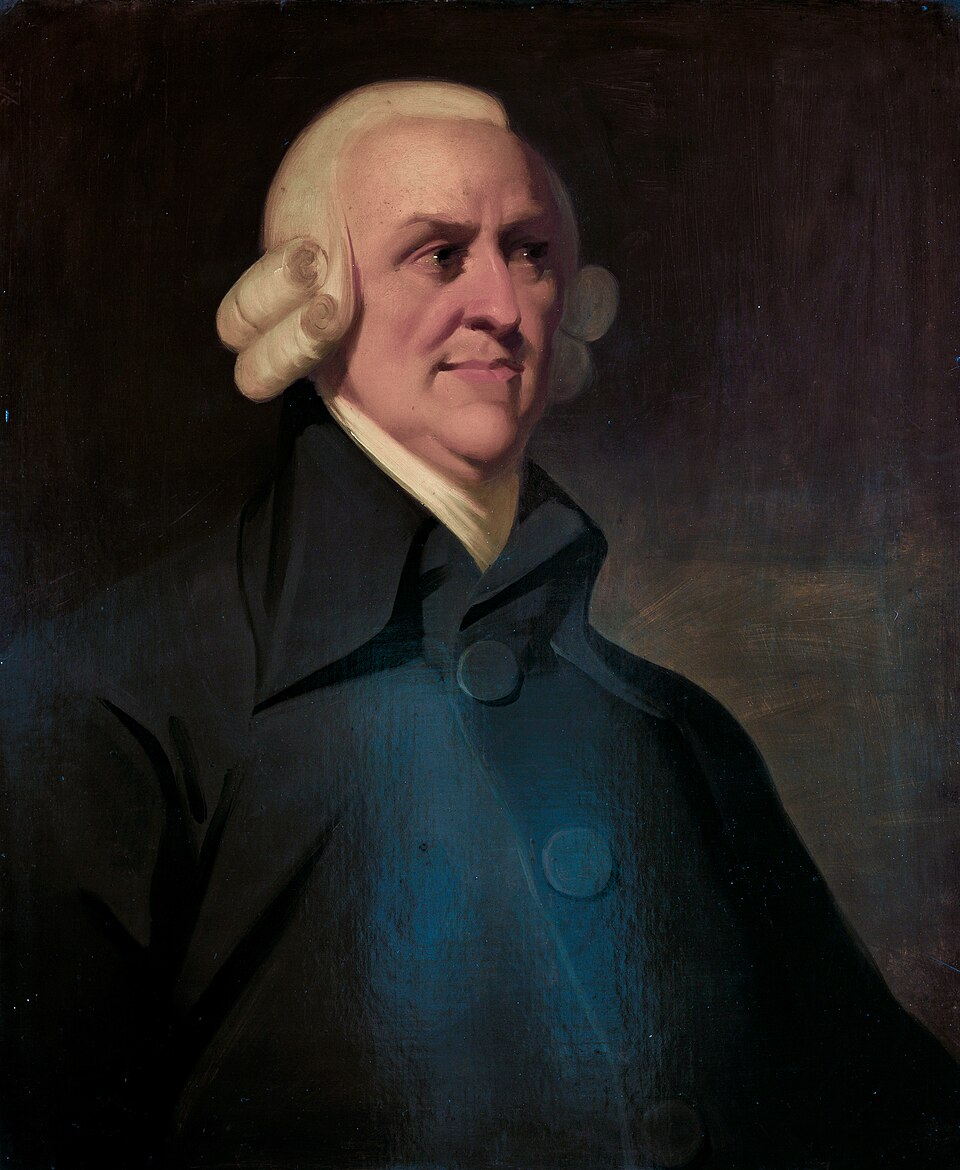
  • Portrait of Adam Smith

    Adam Smith

    1723–1790, Scotland (the Scottish Enlightenment: Kirkcaldy, Glasgow, Edinburgh)

    Justice After Terror: Syria’s Verdict on Its Former Rulers

    When a state turns its own courts against the crimes of its past rulers, it performs not an act of vengeance but a first, halting gesture of moral self-respect — provided it remembers that justice is more than the swapping of cages.

    A man in a cage in a Damascus courtroom is a very small object; the accusation that he oversaw murder, torture, and forced disappearance during a fourteen-year civil war is a very large one. We are told that a court in Syria has sentenced the former president, his brother, and a security chief to death, the president in absentia, for crimes against humanity and war crimes. A judge declares that state agencies were used for these purposes. Plaintiffs, long bereaved, speak of waiting fifteen years to reclaim even a small part of their rights. One must begin, not with the sentence, but with the system of terror that made such a spectacle possible, and in some measure necessary.

    Read the essay

  • Portrait of John Locke

    John Locke

    1632–1704, England (writing amid the Exclusion Crisis and the Glorious Revolution)

    Syria Has Not Rebelled Against Its Rulers; Its Rulers Rebelled Against Syria

    When a regime disappears 181,000 of its own people and turns protest into massacre, it dissolves itself as government; what remains is not order but war, and war may be answered in kind — though even just punishment must be hedged with law, not vengeance.

    The image that arrests me is not the absent princes condemned to death, but the man in the cage. I read that a former security chief, accused of murder, torture, and forced disappearances during a fourteen‑year civil war, now stands behind bars in a Damascus court, while his former sovereign is sentenced to death in absentia for crimes against humanity and war crimes. I learn that more than 181,000 persons were forcibly disappeared or arbitrarily detained during that war, the great majority by the fallen regime, and that it began, in part, with teenagers seized and allegedly tortured for writing words upon a wall. One hardly needs much more to see the shape of the thing.

    Read the essay
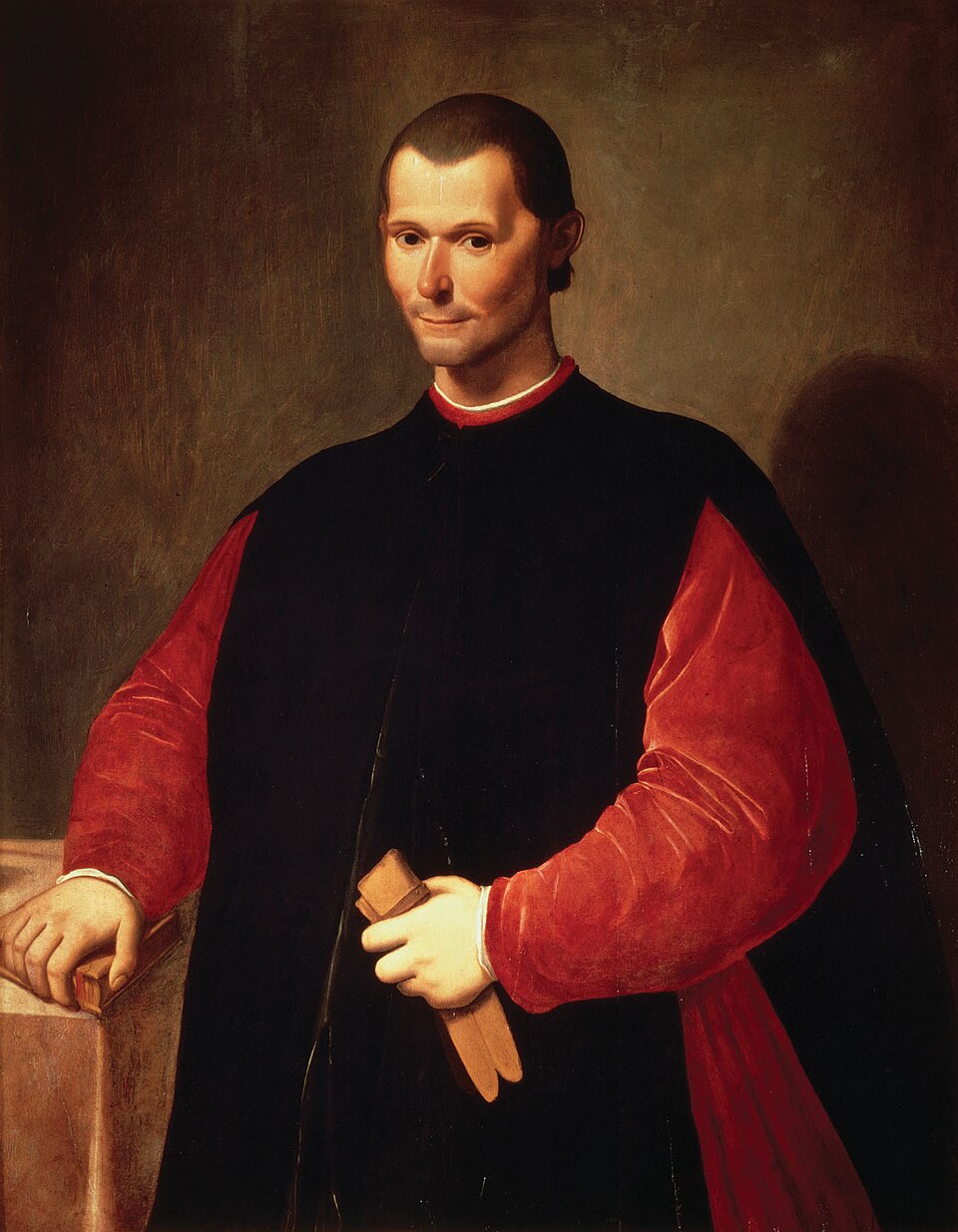
  • Portrait of Niccolò Machiavelli

    Niccolò Machiavelli

    1469–1527, Florence (republican secretary and diplomat, then exile, amid the Italian Wars)

    Assad’s Death Sentence Is the New Regime’s First Real Weapon

    A dynasty that ruled by fear and disappearance has fallen to the same forces it tried to crush, and the public trial of its men is the new order’s first serious test of virtù.

    The image that matters is not the judge speaking on state television. It is Atef Najib in a cage in the Palace of Justice, and Bashar al‑Assad condemned to die far away, beyond the reach of the marshal. When a regime that for fifty years governed through prisons, disappearances and armored divisions puts its former security chief in a dock and sentences its ex‑prince in absentia, it is not doing philosophy. It is doing the rough carpentry of a new order. The words about crimes against humanity explain little; the effectual truth is that a new power is teaching Syrians whom to fear and whom to hate now.

    Read the essay