Casualties Reported in Recent Drone and Missile Attacks Between Russia and Ukraine
Ukraine’s Drone Swarm Shows How Weak States Must Fight Strong Ones
When hundreds of small machines cross a great power’s skies, you are watching virtù search for a crack in fortuna’s armor — and you must judge it by results, not sermons.
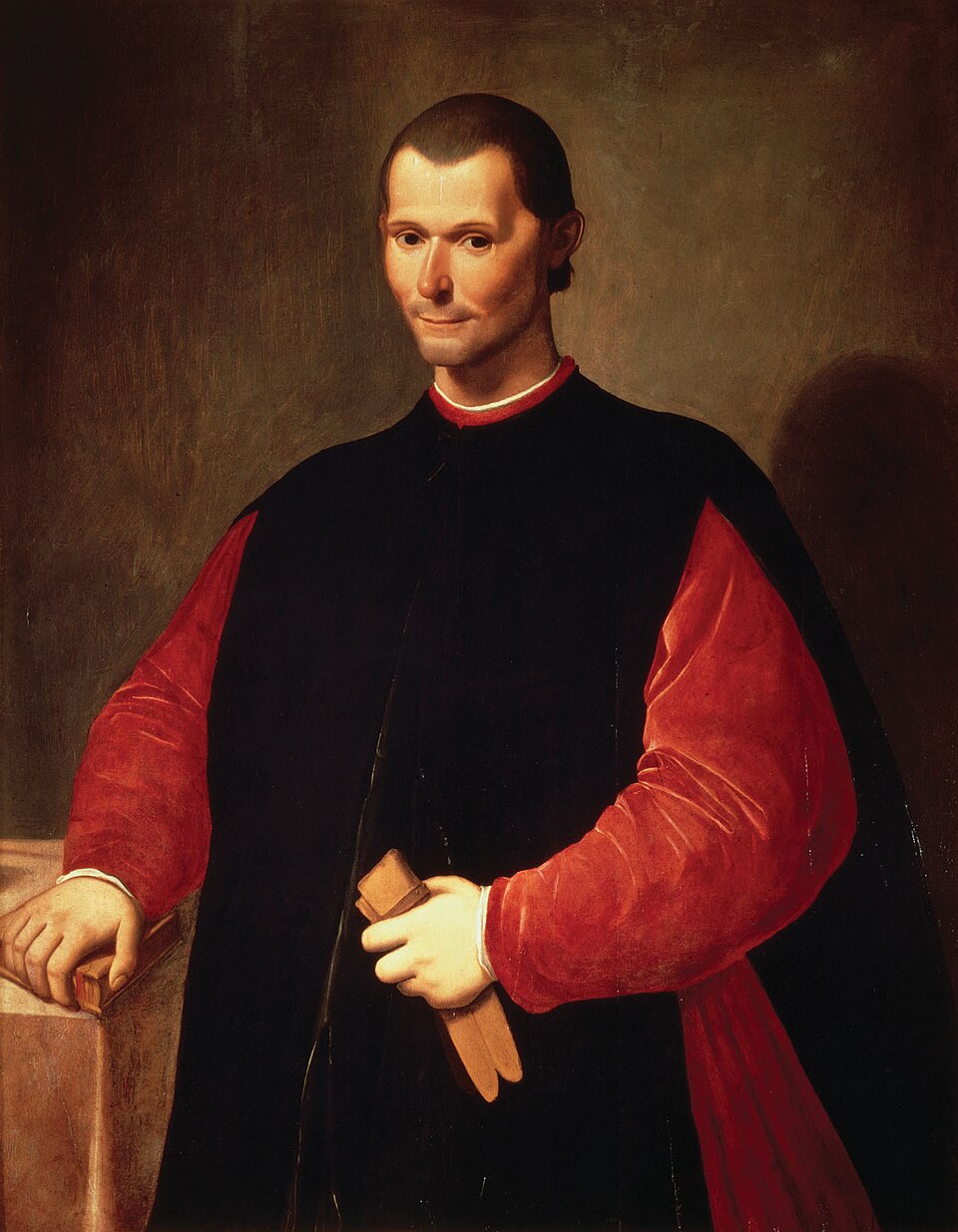
Ukraine hurls hundreds of drones across Russia; Russia answers with missiles and its own drones; civilians die on both sides, warehouses burn, markets are smashed, and governors count corpses in single digits while defense ministries boast in the hundreds. This is the scene. Some 600 drones are detected near Moscow, Russia claims to destroy 822, at least six people die in Russia, at least five in Ukraine, including in Kyiv and Kryvyi Rih. A warehouse of a great merchant, Wildberries, burns, and a book market lies in rubble. To lament this as “barbarous” is easy; to understand it as a struggle to maintain the state is harder, but more useful to anyone who must actually decide.
I learned in Florence that how men live is far from how they ought to live. When I wrote in The Prince, in W. K. Marriott’s English, that those who neglect what is done for what ought to be done “sooner effect their ruin than their preservation,” I had in mind exactly these moments, when a weaker state faces a stronger, and sermons offer no shelter from steel. Moscow has invaded Ukraine on a large scale; Ukraine now launches one of its largest aerial attacks of the war back into Russia. Each side follows appetite and necessity: one to extend or consolidate empire, the other simply not to be extinguished. When the question is survival, the interesting point is not who is right but who is more skillful.
Look at the arms they choose. Ukraine cannot match Russia missile for missile in open sky, so it turns to drones in the hundreds, perhaps more than 150 damaging homes and railways while others set depots ablaze. Drones are poor men’s artillery: numerous, expendable, hard to stop in perfect order. This is what in my Art of War I called arming oneself with what accords to one’s condition, not with splendid but useless gear. A burning retail warehouse in Podolsk wounds Russia less in metal than in imagination: it brings the war home to those who thought it distant, and strikes the purse of the merchants who count on peace. To maintain a threatened republic, it is better to scorch the enemy’s warehouses than watch your own cities be methodically dismantled.
Russia, for its part, answers in the same coin. Its missile attack kills at least two and wounds many more in Kryvyi Rih; other strikes hit Kyiv, Kremenchuk, and civilian infrastructure. Officials insist they target factories for missiles and drones; the people see a book market in ruins and a woman recognizing her husband’s books in the street. Here is the old Roman truth: the great seek to command, the people not to be oppressed; the same explosion is narrated as necessity from above and as naked aggression from below. Yet the rule I drew in The Prince remains: if you must be severe, be severe in a way that ends the war more quickly. Severity that only multiplies hatred without crippling the enemy’s arms is not cruelty; it is stupidity wearing armor.
Both sides now live under fortune’s raging river. In that book I compared her, again in Marriott’s words, to a flood that overwhelms a plain “where valour has not prepared to resist her.” Russia claims to shoot down 822 drones; Moscow’s mayor speaks of hundreds detected, a third destroyed over the region. They are building dykes and barriers in the sky: air defenses, radar, dispersal of assets. Ukraine, under daily threat from missiles that hit wherever they can reach, spreads its risk, hides production, leans on mobility. Neither commands half of events; chance still rules much. But you can see virtù in the side that uses fortune’s very turbulence as cover, saturating the defenses, knowing that some small share of a huge swarm will always slip through.
Here, too, appearances are arms. Governors in Moscow and Kyiv rush to report interceptions and condemn atrocities; presidents publish death tolls on social media; images of black smoke over a depot and of books scattered in a market travel farther than any missile. The target is not only fuel or paper, but the subject’s spirit: to convince the Russian that his rulers cannot keep war away from his house, and the Ukrainian that resistance still exacts a price from the invader. When I argued that arms of one’s own are better than mercenaries, I meant not only soldiers but also this: a people that endures hardship because it sees blows land in return is a better army than hired professionals counting their pay.
The worst path, in such a conflict, is the middle course. To send a handful of drones instead of hundreds would leave Russia unworried and Ukraine still bleeding; to answer Russia’s missiles only with speeches about law would convince the invader he can bomb with impunity. On the other side, to strike Ukraine here and there, always at civilian targets, without destroying its capacity to fight, only hardens the enemy and teaches it where to aim its own drones. In war as in surgery, the cut must be either light or decisive; the half-cut kills the patient and leaves the disease. A leader who forgets this principle will not maintain his state for long.
So I do not praise the deaths of old men in their homes outside Moscow, nor of shoppers in Kyiv, nor of stallholders whose books lie in the street. But I judge, as I always have, by the effectual truth: Ukraine’s drone campaign shows a threatened state using bold, numerous, self-fashioned arms to open seams in a stronger enemy’s armor, while Russia’s interceptions and retaliatory strikes show preparation mixed with the limits of even a great power’s virtù. The war will reward the side that marries this boldness to prudence, that chooses necessity over the comforts of half-war, and that remembers, amid the smoke and tumults, that power taken without measure is as fatal as power not taken at all.
From the works cited
- The Prince — Virtù versus fortuna — the raging-river figure: preparation in fair weather is the whole difference between the drowned and the dry.
- The Prince — Arms of one's own versus mercenaries and auxiliaries: power borrowed is power owed, and it will be collected at the worst moment.
- The Art of War — A citizen militia bound to the state beats hired arms, because soldiers fight for what they are, not what they are paid.