Trump Endorses Jennifer Balkcom for North Carolina's 11th Congressional District
Endorsements, Consent, and the Boundary of Legitimate Influence
A former ruler’s blessing on a new candidate is not itself usurpation, but it becomes dangerous the moment it crowds out the people’s free and equal judgment.
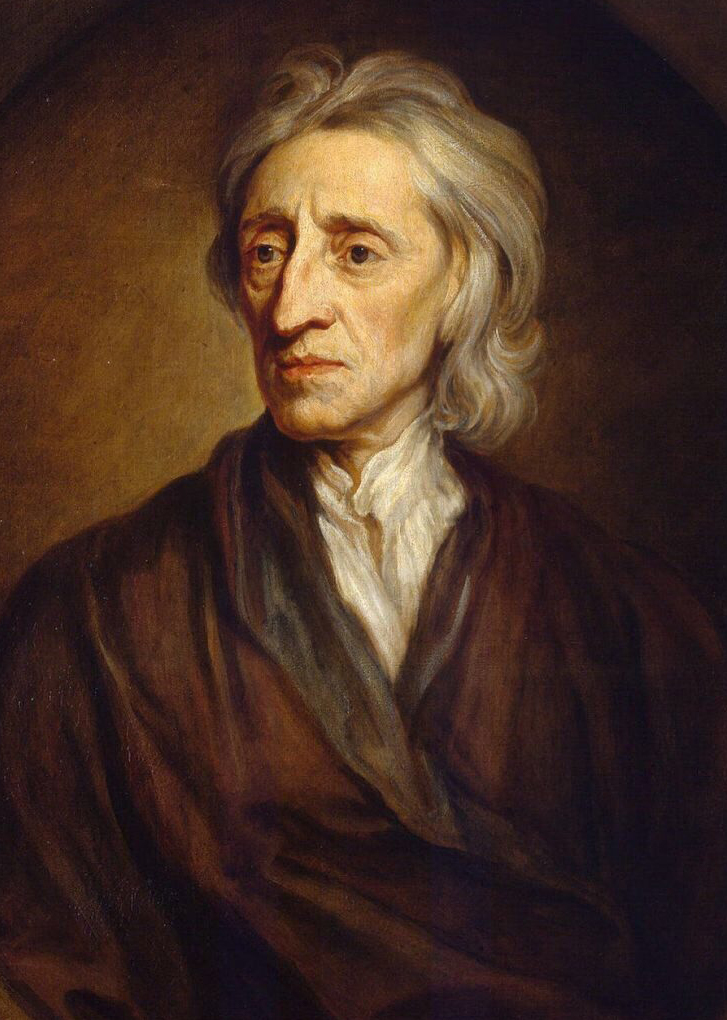
A former chief magistrate has announced, on a platform unknown in my age but plain in its effect, that it is his “Great Honor to endorse America First Patriot, Jennifer Balkcom, who is running to represent the wonderful people of North Carolina’s 11th Congressional District.” The sitting representative, having once enjoyed this same man’s favor, has now withdrawn his bid for re‑election, and Ms. Balkcom stands as the new nominee of her party. She replies with gratitude, professing herself ready to fight for the people of Western North Carolina, to rebuild after a calamity called Helene, and to ease the burdens of families. Thus the drama of trust and power, which I once traced in kings and parliaments, is now played out in parties and posts.
When I wrote the “Second Treatise of Government,” I defined political power as a right of making laws with penalties, only for the public good, and held that no such power is rightful unless free and equal men could have consented to it. The question, then, is not whether one person may commend another, for speech is natural to men, but whether such an endorsement alters the people’s power of consent, and so threatens to turn their choice into mere echo of another’s will. Men are by nature free, equal, and independent; any claim to rule them, whether by birth, party, or fame, stands in need of proof. Does this endorsement seek to supply reasons to the understanding, or to substitute authority for judgment?
First, I distinguish recommendation from command. A private man, though once clothed with public dignity, may say, “I think this person fit to serve,” and so present the people with a candidate. That is no usurpation, so long as the laws that govern elections remain known and unchanged, the ballots are free, and no punishment or reward is annexed to a man’s vote save what naturally follows from his own conscience. In such a case, the power remains where it ought, in the hands of the electors, who may assent or withhold assent as their own understanding directs. To speak in favor is influence; to alter rules, to threaten livelihoods, to buy off rivals with public treasure, that would be arbitrary power.
Secondly, I consider the condition of the voters’ minds. In my “Essay Concerning Human Understanding,” I urged that assent ought to be proportioned to the evidence; believing beyond one’s proof is not piety but a failure of duty. If the citizens of that Eleventh District resolve to support Ms. Balkcom solely because a celebrated person has called her a patriot, their understanding is ill‑used; they yield to authority where they ought to examine grounds. Yet this is a fault in them, not yet a tyranny in him, unless he labours to keep them ignorant or to mislead them by falsehoods that they have no fair means to discover. The law of nature binds speaker and hearer both: no one ought to harm another in his life, liberty, or possessions by deceit.
Thirdly, I ask whether there is here any sign that the people are reduced to choosing under fear, or under such dependence that refusal is ruin. I see, in the account before me, only open words: a man praises; a candidate professes gratitude and promises to work with him if elected; a former rival steps aside of his own declaration. There is, on this showing, no alteration of electoral law, no shutting out of other parties, no penalty for dissenting votes. The process remains subject to known rules and, where disputes arise, to impartial judges. So far as these facts go, there is influence, yes, but not yet a “state of war” between ruler and ruled of the kind I described when speaking of a long train of abuses.
Yet the very concentration of influence in the hands of one who is not himself on the ballot deserves a sober eye. When a single person’s favor can make or unmake careers, direct party machinery, and shape which names the people ever see, there creeps in a likeness to that prerogative power which monarchs claimed, of naming officers without true check. If party rules, donor expectations, or social pressures grow so strong that ordinary citizens feel they have no real alternative to the endorsed candidate, then consent becomes nominal, and power ceases to be held on trust from the people and begins to flow the other way, from the people to the patron. At that point, men are tempted to treat this one as judge in his own case, and liberty has already given too much ground.
The remedy is not to forbid men of influence from speaking, for that would trespass on the liberty of the press and of persuasion, but to guard diligently the independence of each voter’s understanding and the openness of the field. Let the electors of Western North Carolina examine Ms. Balkcom’s promises to rebuild after Helene and to lighten their expenses; let them weigh her fitness, not by borrowed epithets, but by evidence of capacity and integrity. If, having done so, they choose her, then her authority in the House is their own work, and she holds it on their trust. If they refuse her, the endorsement falls harmlessly to the ground. In either case, the people remain the original masters, and no man’s post, however loudly trumpeted, may alter that truth.
From the works cited
- Second Treatise of Government — Political power defined narrowly as the right to make laws, with penalties, only for the public good — anything beyond that definition must justify itself or stand condemned.
- Second Treatise of Government — Government by consent and majority decision, with the legislative supreme but itself bound: a fiduciary power, held on trust, forfeited by breach.
- An Essay Concerning Human Understanding — Assent must be proportioned to the evidence; believing beyond one's proofs is a failure of duty, not a mark of faith.