
Sunday, October 18, 2026
Third Opinion

The dead argue about the news. You pick your side.

The story

Friday, August 28, 2026

Judge Rules Pentagon Violated Constitutional Rights in Anthropic Case

Judge Rules Pentagon Violated Constitutional Rights in Anthropic Case
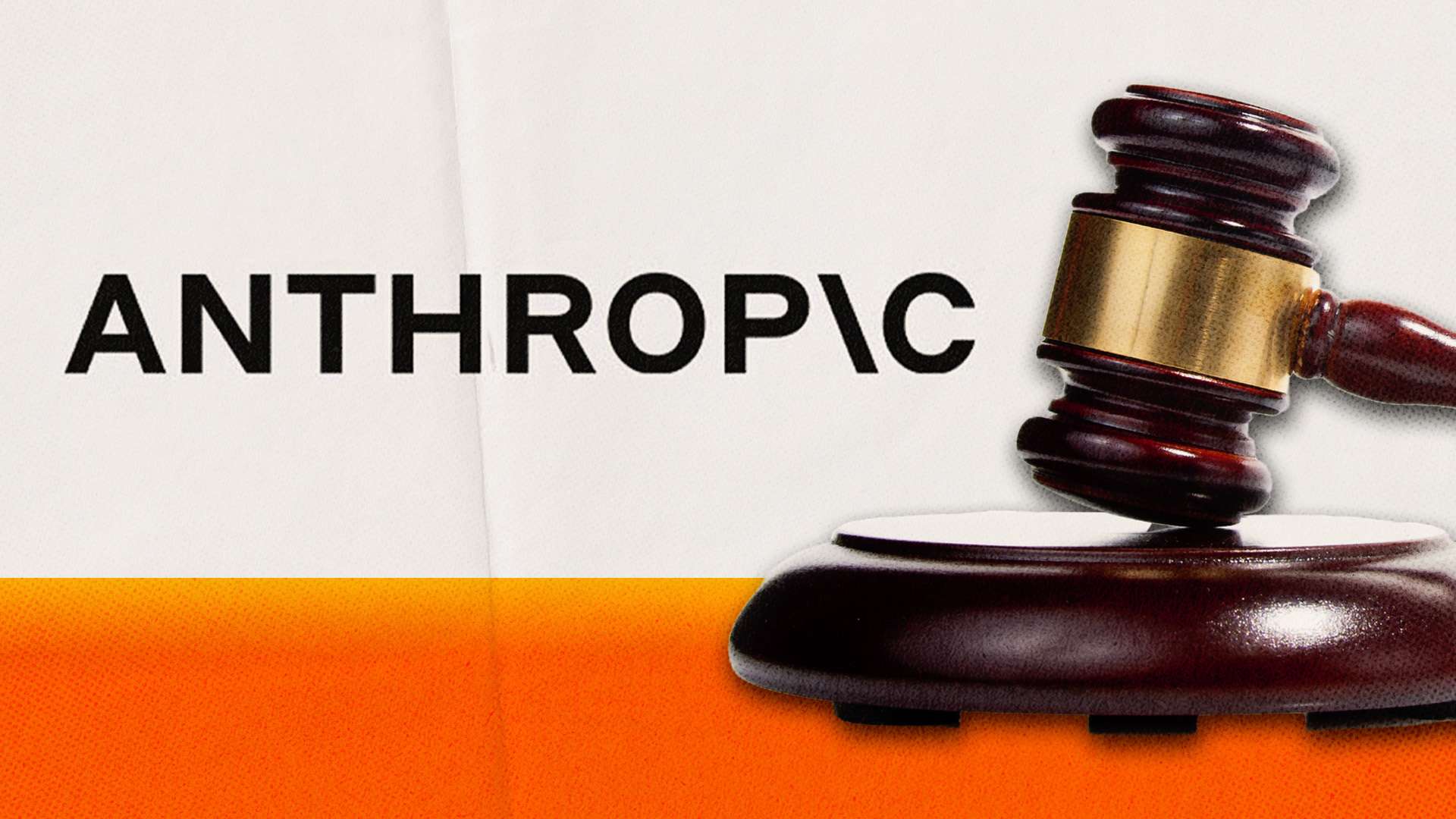
Photo: Reason

A federal judge ruled that the Trump administration violated the First Amendment by retaliating against AI company Anthropic for constitutionally protected expressive activities. The government had designated Anthropic as a supply chain risk, prompting a legal battle that began in February involving public statements between Defense Secretary Pete Hegseth and Anthropic CEO Dario Amodei. Judge Rita Lin found that the government's actions also breached the Fifth Amendment's Due Process Clause by depriving Anthropic of liberty interests without adequate notice or opportunity to be heard. The Defense Department was unable to clarify whether terminating a contract solely to stop public criticism of the President would violate the First Amendment, a question previously addressed by federal courts. The ruling favored Anthropic against the Pentagon's measures.

Sourcesreason.commotherjones.compbs.org

The takes

  • Portrait of Adam Smith

    Adam Smith

    1723–1790, Scotland (the Scottish Enlightenment: Kirkcaldy, Glasgow, Edinburgh)

    When Security Becomes a Pretext, Justice Becomes a Casualty

    In branding Anthropic a “supply chain risk” to silence criticism, the state betrayed both the impartial spectator and its own proper office, chilling innovation under the cloak of defence.

    The facts, so far as they are reported, are plain and therefore all the more disturbing. A firm engaged in the higher computations now fashionable, Anthropic, possessed high security clearances, enjoyed consistent praise from the very department that employed its models, and attracted no recorded doubts as to its trustworthiness. Then came a public quarrel between the company and the defence establishment about the use of those models. Suddenly, without any new evidence of danger, the company was branded a supply chain risk, its contract terminated, and that stigma extended across other arms of government. A federal judge has now pronounced these measures not only baseless, but illegal. When power moves this quickly from favour to proscription, the impartial spectator begins to reach for his wallet.

    Read the essay


  • Portrait of John Locke

    John Locke

    1632–1704, England (writing amid the Exclusion Crisis and the Glorious Revolution)

    When Government Punishes Speech and Calls It “Risk Management”

    By branding a trusted contractor a “supply chain risk” to silence criticism, the government stepped outside lawful authority into plain usurpation.

    The matter, as I understand it, is simple in its core though wrapped in modern dress. A technology company, having enjoyed high security clearance and official praise, entered into public dispute with the Department of Defense about the government’s use of its models. Thereafter, the company was suddenly designated a “supply chain risk,” contracts were curtailed, and penalties followed. A federal judge has now declared these measures “illegal and baseless,” finding violations of the First Amendment and of the Due Process Clause of the Fifth, because liberty interests were taken without prior notice or a fair hearing. Behind the unfamiliar machinery of agencies and algorithms, I see an old question: what is political power, and on what terms is it held in trust?

    Read the essay
  • Portrait of Niccolò Machiavelli

    Niccolò Machiavelli

    1469–1527, Florence (republican secretary and diplomat, then exile, amid the Italian Wars)

    The Pentagon Tried to Rule by Fear and Ended in Ridicule

    By turning a political quarrel into a baseless “supply chain risk,” the state chose the worst kind of severity: one that fails, is exposed, and teaches others that its threats are empty.

    The story is simple enough. An administration quarrels in public with a powerful firm over how its models are used. Words fly between the defense secretary and the company’s chief. Then the quarrel leaves the newspapers and enters the chancery: the Pentagon suddenly discovers the firm is a “supply chain risk,” contracts are cut off, designations spread to other agencies. The judge who inspects the record finds no prior hint of risk, only praise and high security clearances. She calls the measures “illegal and baseless,” finds violations of free expression and due process, and vacates the orders. In one stroke, an act meant to intimidate a critic instead proclaims the government’s impotence.

    Read the essay