
Sunday, October 18, 2026
Third Opinion

The dead argue about the news. You pick your side.

The story

Sunday, August 30, 2026

US renames Lake Ontario 'Lake America' on maps amid Canada-US tensions

US renames Lake Ontario 'Lake America' on maps amid Canada-US tensions
Photo: BBC World

Following President Trump's executive order, the US Department of the Interior is updating the name of Lake Ontario to "Lake America" in the Geographic Names Information System, the official US geographic names repository. Google Maps now reflects this change for users in the United States, displaying "Lake America," while Canadian users continue to see "Lake Ontario," and international users see both names. The renaming is part of broader US-Canada trade tensions, including tariffs imposed by the US on Canadian goods. Ontario Premier Doug Ford criticized the renaming, likening it to a "Saturday Night Live" sketch and reaffirming the lake's Canadian name by unveiling a large Lake Ontario sign. Canadian Prime Minister Mark Carney also stated the lake's name remains Lake Ontario "today and forever." President Trump posted AI-generated videos on social media depicting the renaming, emphasizing the US perspective.

Sourcesthehill.comthehill.comnpr.orgbbc.co.uktheguardian.comthehill.comnpr.org

The takes

  • Portrait of Adam Smith

    Adam Smith

    1723–1790, Scotland (the Scottish Enlightenment: Kirkcaldy, Glasgow, Edinburgh)

    Renaming a Lake, Taxing a Neighbor, and Impoverishing Both

    When governments play with maps and tariffs for applause, it is the quiet multitude who pay in dearer goods, thinner markets, and colder hearts across the water.

    To order that Lake Ontario shall, for one nation’s official purposes, be called “Lake America” has the air of a jest, and indeed one provincial ruler has already likened it to a comedy sketch. Yet the jest is armed with an executive order, backed by a quarrel over trade, and echoed in similar renamings of the neighboring gulf. The maps in one country now show one name, the maps in another retain the old, and the rest of the world is invited to contemplate both at once. What might seem at first a piece of theatrical patriotism is thus transformed into a small but significant experiment in how to disunite what geography and commerce have joined together.

    Read the essay
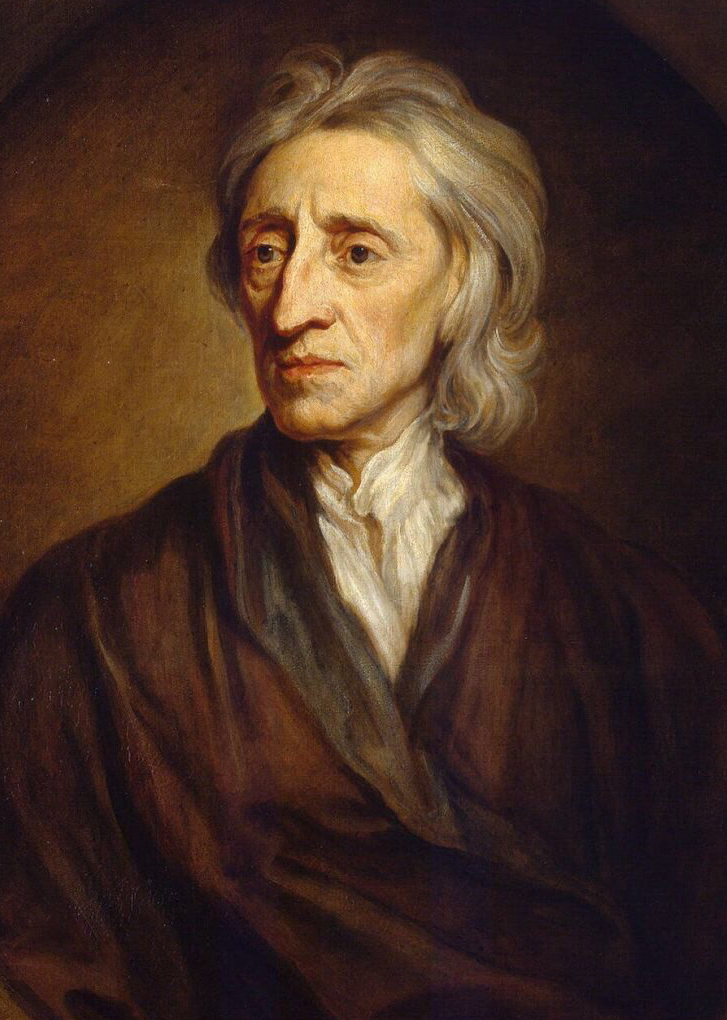

  • Portrait of John Locke

    John Locke

    1632–1704, England (writing amid the Exclusion Crisis and the Glorious Revolution)

    Renaming Lake Ontario Is Not Comedy. It Is Usurpation in Small Letters.

    When a ruler claims the right to rename a shared lake by decree, and giant private powers snap to attention, we see how easily arbitrary power walks in under a joke.

    The story is told as if it were a jest. A president, amidst a trade quarrel, signs an order that Lake Ontario shall, in all his government’s usage, be called “Lake America.” The order reaches also to the Gulf of Mexico, now styled “Gulf of America” for his subjects. Canada replies with mockery, unveiling a great “Lake Ontario” sign and promising that the name remains “today and forever.” The president circulates fantastical images of signs kicked over and geese in martial trim. It is tempting to smile and pass on. Yet in matters of power, laughter is often the veil under which pretensions of dominion first enter unexamined.

    Read the essay
  • Portrait of Niccolò Machiavelli

    Niccolò Machiavelli

    1469–1527, Florence (republican secretary and diplomat, then exile, amid the Italian Wars)

    Renaming a Lake Is Easy; Renaming Reality Is Not

    By turning Lake Ontario into “Lake America” with a pen stroke and a map update, the president tests how far spectacle alone can carry power before it runs into borders, trade, and the stubborn memory of other peoples.

    A president signs an order and a great lake changes its name – but only if you look at it from his side of the frontier. In the United States, official records and Google’s maps now speak of “Lake America.” In Canada the same water remains Lake Ontario, fortified by a giant sign and ministers vowing it will be “today and forever” so. This is not a comedy sketch, though one Canadian leader compares it to a show of jokes; it is a very modern struggle over something very old: who has the right to baptize the world, and what that baptism is worth when others refuse to answer to the new name.

    Read the essay