
Sunday, October 18, 2026
Third Opinion

The dead argue about the news. You pick your side.

The story

Tuesday, September 1, 2026

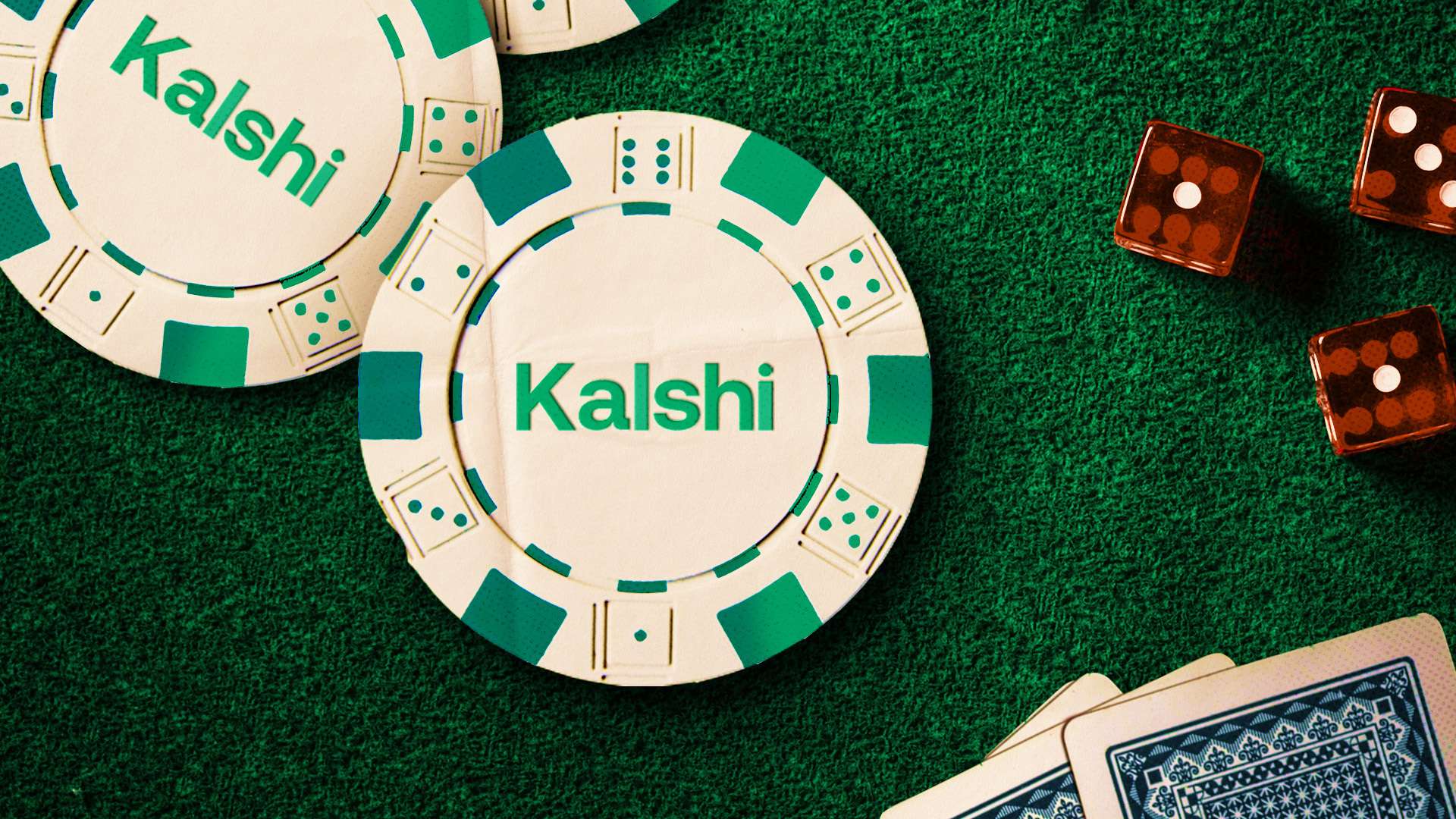
3rd Circuit Rules Federal Regulators Oversee Kalshi Sports-Related Contracts

3rd Circuit Rules Federal Regulators Oversee Kalshi Sports-Related Contracts
Photo: Reason

The 3rd Circuit Court determined that federal regulators, rather than the New Jersey Division of Gaming Enforcement, have authority over Kalshi's sports-related event contracts. This ruling exemplifies a circuit split on the issue. Separately, the Supreme Court declined to intervene in the dispute between former President Trump and Congress regarding ballroom renovations.

Sourcesreason.commotherjones.comnationalreview.comnpr.org

The takes

  • Portrait of Adam Smith

    Adam Smith

    1723–1790, Scotland (the Scottish Enlightenment: Kirkcaldy, Glasgow, Edinburgh)

    Why the Supreme Court Was Right to Leave the Ballroom and the Betting Floor Alone—for Now

    In both the quarrel over a presidential ballroom and the coming clash over sports betting contracts, judicial restraint respects the division of labour in government better than a grand, ill‑informed intervention from on high.

    I am told that in your capital a dispute about a ballroom renovation at the chief magistrate’s residence reached the Supreme Court, and that the Court, by a narrow majority, allowed the work to proceed while declining to make itself the arbiter of every nail and cornice. Commentators have described this as the Court “sitting out the dance” between the president and the legislature. The image is a happy one. There are occasions when the highest bench best performs its office not by joining the minuet, but by remaining in its chair, and remembering that not every quarrel in a great city is improved by the addition of nine more dancers.

    Read the essay


  • Portrait of John Locke

    John Locke

    1632–1704, England (writing amid the Exclusion Crisis and the Glorious Revolution)

    The Ballroom, the Betting App, and the Burden on Power

    When courts retreat and executives improvise, the question is not who wins the dance, but whether any of it still rests on the people’s consent.

    A president wishes to demolish and renovate his official residence, adding a grand ballroom. Congress has, by its own prior act, forbidden the construction of any building or structure on certain federal grounds in the capital without its express authority. Yet the renovation proceeds, the Supreme Court by a narrow vote declining to halt it, while one prominent commentator declares the ballroom “doesn’t belong in court,” but in the political contest between president and legislature. I find in this scene a familiar pattern: the executive claiming a kind of prerogative, the legislature resting on its law, and the judges uncertain whether they ought to interpose. Underneath the quarrel over architecture lies the older question: what is political power, and on what trust is it held?

    Read the essay
  • Portrait of Niccolò Machiavelli

    Niccolò Machiavelli

    1469–1527, Florence (republican secretary and diplomat, then exile, amid the Italian Wars)

    Why a Wise Court Sometimes Refuses to Dance

    By sitting out the ballroom fight while a new betting war brews, the Court shows that in a corrupt storm the most political act can be a refusal to move.

    The scene is almost comic. A president wants a ballroom; Congress guards its formal right to approve any new structure on federal grounds; a statute seems to speak clearly; yet the Supreme Court, by a narrow vote, lets the demolition and renovation proceed and is praised for sitting out “the dance” between the two branches. At the same time, judges below them split over who commands a sports‑betting platform that boasts of reaching all fifty states. One conflict is gilded plaster, the other raw money and jurisdiction. Both ask the same question: when does a high court preserve the republic by acting, and when by refusing to act?

    Read the essay