Sunday, October 18, 2026
Third Opinion

The dead argue about the news. You pick your side.

The story

Friday, September 4, 2026

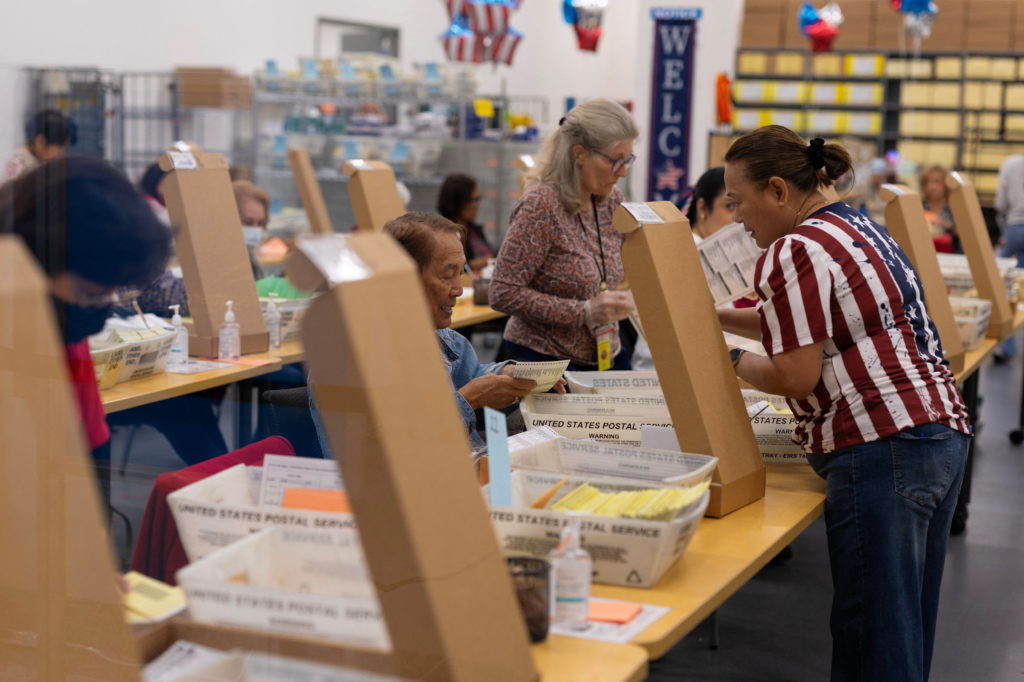
Trump Administration Appeals Mail Voting Changes as Midterms Near; Diesel Prices Reach Record High

Trump Administration Appeals Mail Voting Changes as Midterms Near; Diesel Prices Reach Record High
Photo: PBS NewsHour

The Trump administration filed an appeal to the Supreme Court regarding changes to mail voting by the Postal Service, submitting the appeal the afternoon before North Carolina was scheduled to send out mail ballots. North Carolina's ballot mailing marks the start of a series of states distributing ballots ahead of the upcoming midterm election. Twelve states intervened in the related lawsuit to support the administration's authority to require the mail voting program, but none have announced voluntary participation. Separately, diesel prices have reached a national average record high of $5.85 per gallon, according to AAA.

Sourcespbs.orgreason.comnpr.orgmotherjones.commotherjones.compbs.orgthehill.com

The takes

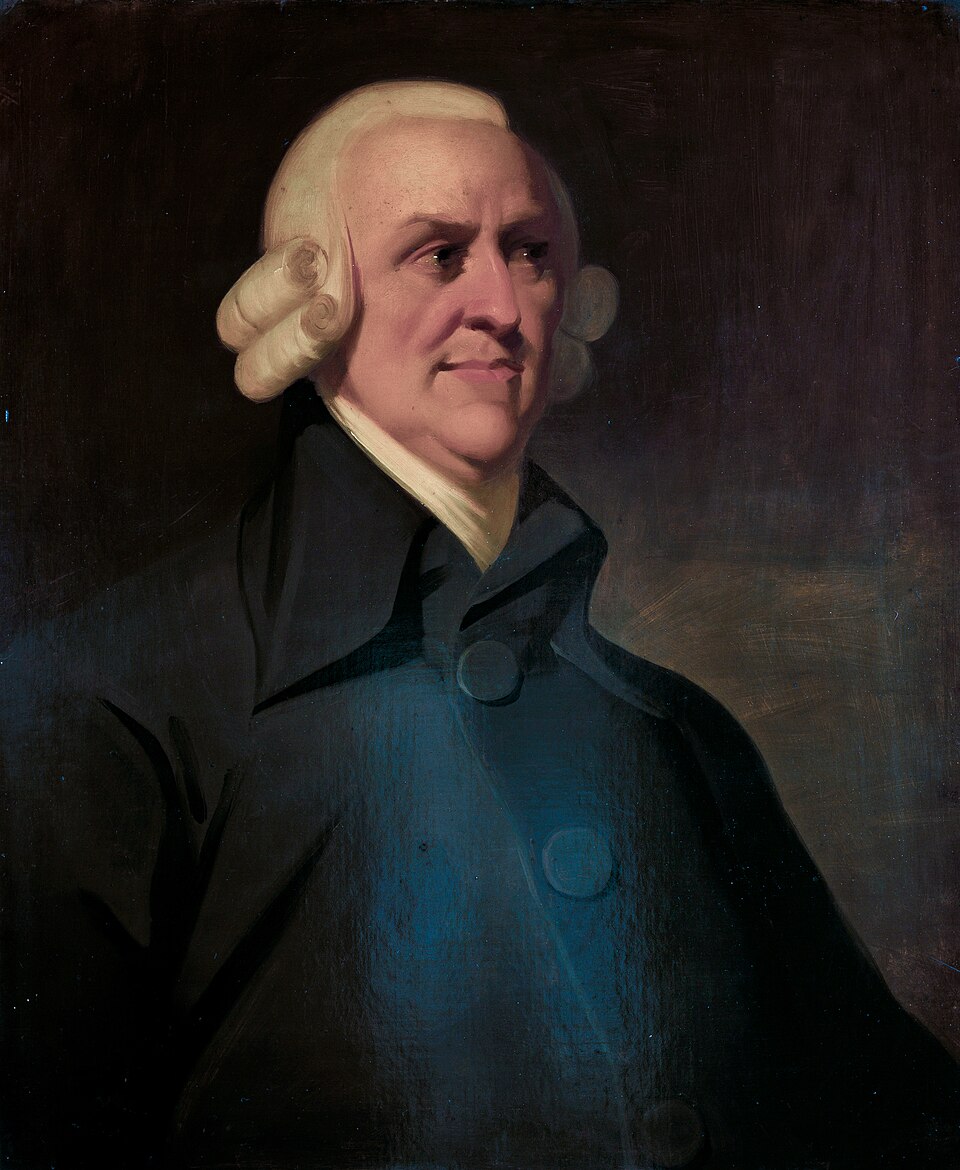
  • Portrait of Adam Smith

    Adam Smith

    1723–1790, Scotland (the Scottish Enlightenment: Kirkcaldy, Glasgow, Edinburgh)

    Ballots, Diesel, and the Quiet Tax on the Public

    A last-minute bid to reshape mail voting and a record rise in diesel prices reveal the same old pattern: concentrated gains for the few, diffuse burdens for the many.

    The scene is easily described, and therefore its danger is easily overlooked. An administration, the day before one state is to send out its mail ballots and just as others prepare to follow, rushes to the highest court to alter the conditions under which those ballots may travel through the post. The request is to change the rules at the very moment when ordinary citizens, having ordered their political lives according to the existing rules, are about to act. No windows are smashed, no soldiers march; the roads to the polling places remain open. Yet the calm surface disguises a quieter disturbance, not of streets and squares, but of expectations and trust.

    Read the essay


  • Portrait of John Locke

    John Locke

    1632–1704, England (writing amid the Exclusion Crisis and the Glorious Revolution)

    Late Tampering With the Ballot Is Power Without Consent

    An executive that seeks to change election rules on the eve of voting, without the states’ clear assent, does not administer the law; it attempts to rule without consent, which is usurpation by any honest name.

    That a nation should learn, on the very eve of its midterm elections, that its chief magistrate’s administration has hurried to its highest court to alter the manner of mail voting, is a circumstance that deserves a cooler examination than the moment will willingly bear. I am told the appeal was filed the afternoon before one state was to send out its ballots, beginning a general dispatch of ballots across the country. I am told also that a dozen states appeared in the suit to argue that this administration has the right to require a certain program, yet none of them has announced that it has voluntarily chosen to adopt it. These few facts, though thin, are enough to fix the question: what sort of power is here claimed?

    Read the essay
  • Portrait of Niccolò Machiavelli

    Niccolò Machiavelli

    1469–1527, Florence (republican secretary and diplomat, then exile, amid the Italian Wars)

    A Prince Who Fears the Mailbox

    When a ruler races to rewrite the rules of voting on the eve of an election, he is not defending purity but fighting for survival — and the weakness of his arms shows more than the boldness of his appeal.

    The scene is set with admirable clarity. On a Thursday, as midterm elections approach and states prepare to send out mail ballots, the Trump administration files an appeal to the Supreme Court to change how the Postal Service handles those votes. North Carolina is due to begin mailing ballots the very next day, the first in a broader wave. The lawyers have already run once to a lower appeals court in Boston; now they demand that the highest judges move quickly. This is not theology about elections. It is a last-minute maneuver on the battlefield, launched at the hour when ballots, like troops, are about to be deployed.

    Read the essay