Sunday, October 18, 2026
Third Opinion

The dead argue about the news. You pick your side.

The story

Tuesday, September 8, 2026

Four Renoir Paintings Stolen in Heist at French Museum

Four Renoir Paintings Stolen in Heist at French Museum
Photo: BBC World

On Tuesday morning, two thieves broke into the Renoir Museum in Cagnes-sur-Mer, located in the south of France. During the robbery, they stole four paintings by the artist Renoir, which are valued at millions of euros. While escaping, the thieves dropped two of the stolen paintings in the museum's garden. The incident occurred nearly a year after a notable theft at the Louvre. The museum targeted was formerly the home of the artist Pierre-Auguste Renoir. Local authorities, including Mayor Bryan Masson, have confirmed these details about the heist.

Sourcesbbc.co.uknpr.orgbbc.co.ukbbc.co.ukbbc.co.uknytimes.com

The takes

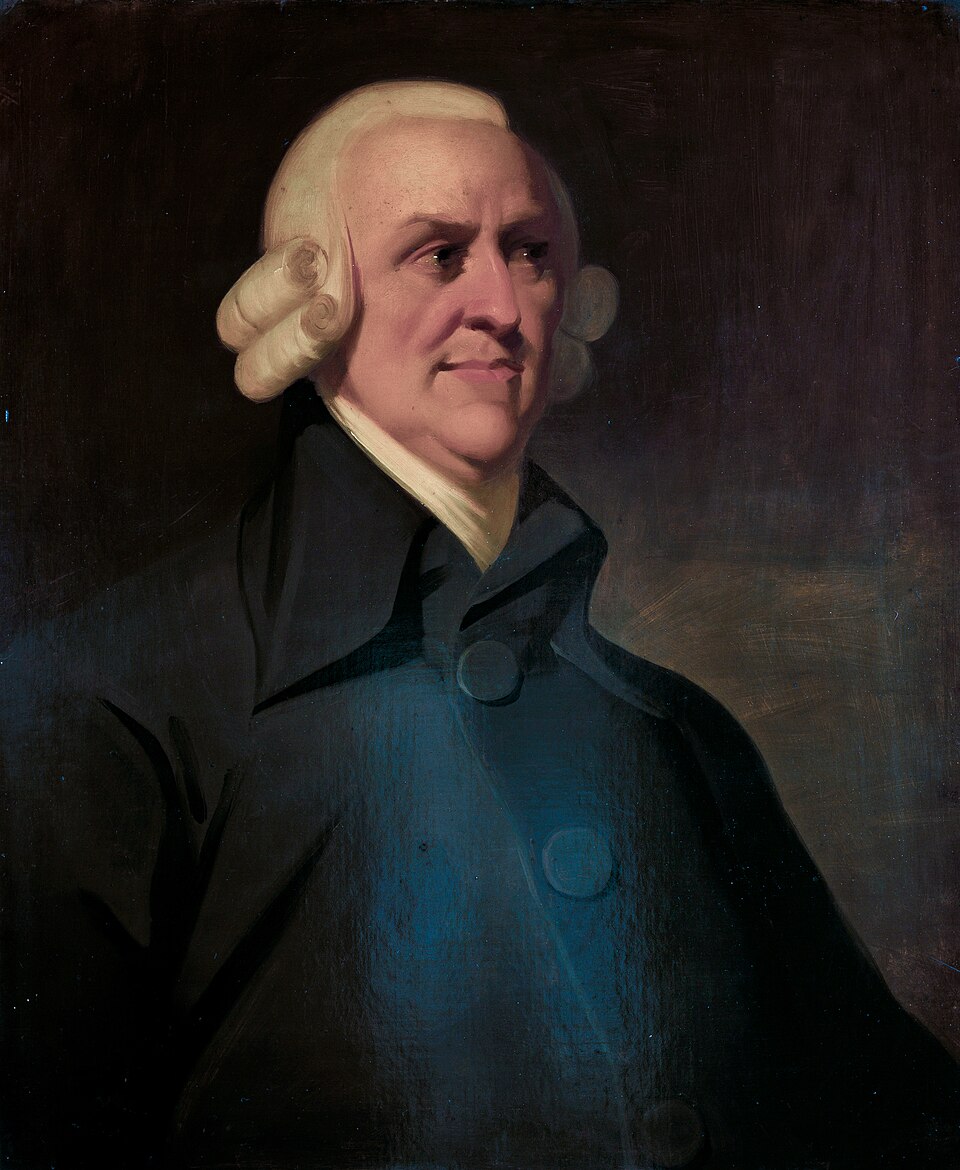
  • Portrait of Adam Smith

    Adam Smith

    1723–1790, Scotland (the Scottish Enlightenment: Kirkcaldy, Glasgow, Edinburgh)

    What the Renoir Heist Steals From Everyone

    When thieves carry off paintings from a public museum, they do more than rob a building; they tax trust, culture, and the labouring poor by stealth.

    The facts, so far as they are reported, are these: two thieves entered the Renoir Museum in Cagnes-sur-Mer on a Tuesday morning. The alarm sounded minutes before six, the police arrived quickly, the men fled, and in their haste they dropped two of the four paintings they had seized. Two works, still said to be worth many millions, remain missing. Almost a year has scarcely passed since a brazen theft from the Louvre, and already imitators try their hand at the same miserable trade. The scene is picturesque – a garden, an artist’s former home, the blue of the Mediterranean near at hand – and the conduct is sordid; it is a familiar human combination.

    Read the essay


  • Portrait of John Locke

    John Locke

    1632–1704, England (writing amid the Exclusion Crisis and the Glorious Revolution)

    What a Museum Heist Teaches About Property, Trust, and Patience

    The theft of Renoir’s paintings off a museum wall is not only a crime against art but a small experiment in what remains of our shared respect for property and the government’s trust to protect it.

    Two men, we are told, broke into the Renoir Museum in Cagnes-sur-Mer on a Tuesday morning, in that house where the painter once lived and laboured. An alarm sounded at 05:48, the police arrived within minutes, and in their hurried flight the thieves dropped two of the four canvases in the garden, leaving two still missing. The papers speak of millions in value and recall a brazen heist at the Louvre the year before. Such tales are apt to be treated as curiosities, fit to be placed beside celebrity gossip and cooking fashions. Yet beneath this episode lie first principles of property, law, and political trust that admit of no levity at all.

    Read the essay
  • Portrait of Niccolò Machiavelli

    Niccolò Machiavelli

    1469–1527, Florence (republican secretary and diplomat, then exile, amid the Italian Wars)

    A Brazen Renoir Heist Exposes the Museum Without Arms

    When thieves walk off with paintings in five minutes, the scandal is not their audacity but the institution’s lack of virtù in expecting them.

    The scene is almost comic if it were not so costly: at dawn, in what was once Renoir’s own home, two men slip in, seize four paintings worth millions, and flee; the alarm screams at 05:48, the police arrive within five minutes, and still two works vanish into the morning while two lie abandoned in the garden. Everyone will speak of “brazen thieves,” and of course they are, but I begin elsewhere. I ask: what did the museum and its guardians believe about the world, if such an operation was possible at all? Where a treasure may be taken at a run, I do not blame fortune before I blame the keeper.

    Read the essay