
Sunday, October 18, 2026
Third Opinion

The dead argue about the news. You pick your side.

The story

Friday, September 11, 2026

9/11 Attacks Killed Nearly 3,000; Commemorations Mark 25th Anniversary

9/11 Attacks Killed Nearly 3,000; Commemorations Mark 25th Anniversary
Photo: NPR News

The September 11 attacks resulted in the deaths of at least 2,977 people. A study by Brown University found that an additional 7,000 U.S. individuals were affected. On the 25th anniversary of the attacks, New York City firefighters participated in a march near the 9/11 Memorial & Museum in Lower Manhattan. An eyewitness based in Jerusalem at the time recalled immediately suspecting al-Qaida was responsible when the second plane struck the World Trade Center.

Sourcesnpr.orgnpr.orgreason.commotherjones.comreason.comfoxnews.compbs.org

The takes

  • Portrait of Adam Smith

    Adam Smith

    1723–1790, Scotland (the Scottish Enlightenment: Kirkcaldy, Glasgow, Edinburgh)

    After 9/11: Defence, Grief, and the Temptation to Make Politics of Terror

    The state is right to defend and to mourn, but when blood and ashes are turned into an argument for faction, the impartial spectator turns away in disgust.

    When I read of New York City firefighters marching near the 9/11 Memorial on the twenty‑fifth anniversary, I know at once what sentiment is at work. In that slow procession, with the names of at least 2,977 dead behind them and many thousands more fallen since, there is no calculation of interest, no higgling and bargaining. It is the simple fellow‑feeling I described when I began my Theory of Moral Sentiments: the spectator, imagining himself in the place of the sufferer, is moved to applaud the courage that ran towards the burning towers and to lament the lives that never returned. Public mourning of this sort does not enrich a faction; it repairs a community’s heart.

    Read the essay
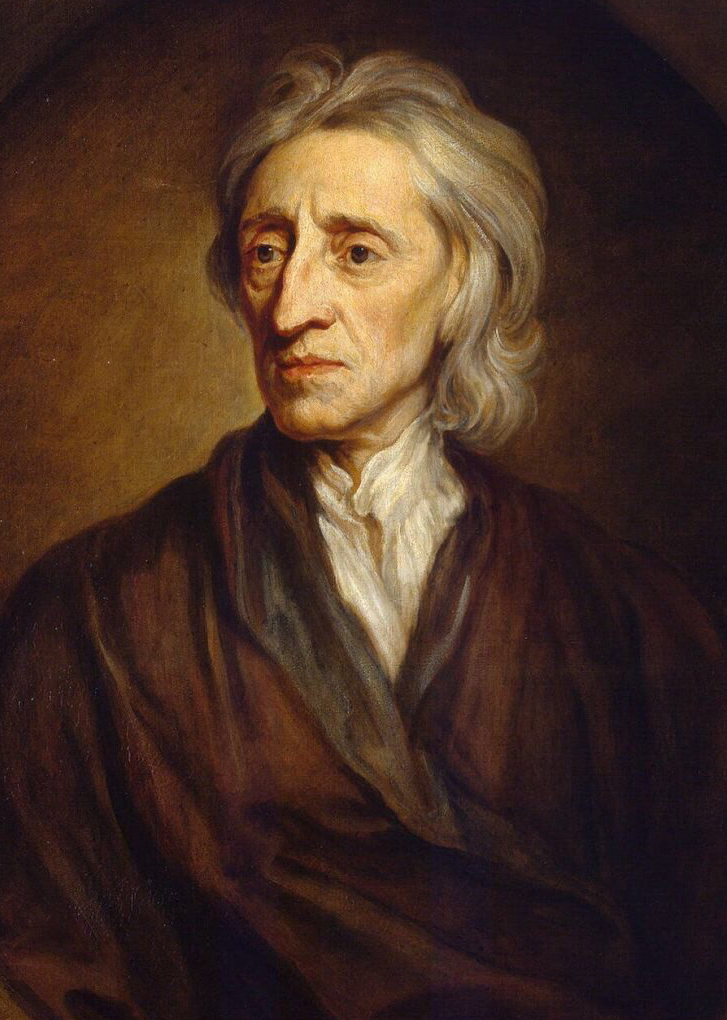

  • Portrait of John Locke

    John Locke

    1632–1704, England (writing amid the Exclusion Crisis and the Glorious Revolution)

    After 9/11, Fear Does Not Excuse a Blank Check for Power

    The murder of thousands on 9/11 gave governments just cause to defend their people, but not to claim permanent emergency powers beyond law and consent.

    On the twenty‑fifth anniversary of the attacks, firefighters march in New York near the memorial where the dead of that day are remembered. We are told that at least 2,977 persons were killed; a study reports thousands more Americans dead in consequences that followed. Here, then, is no doubtful case, no obscure quarrel over trade or ceremony, but a manifest violation of the law of nature, which, as I argued in the Second Treatise, forbids any man to harm another in his life, health, liberty, or possessions. Those who planned and executed such destruction put themselves into a state of war with all mankind. Against such assailants, defensive force is not only permitted, but required.

    Read the essay
  • Portrait of Niccolò Machiavelli

    Niccolò Machiavelli

    1469–1527, Florence (republican secretary and diplomat, then exile, amid the Italian Wars)

    How a Republic Uses Its Wounds

    The memory of 9/11 is now an instrument of power in America, and the question is whether it serves the safety of the state or the appetite of factions.

    In your time, the republic marks a quarter century since the day two planes shattered the towers of the World Trade Center and killed at least 2,977 people. A study counts another 7,000 Americans dead in consequence. That is not an incident; it is a strategic defeat. I read that a reporter, based in Jerusalem, saw the second impact and at once suspected al‑Qaida. This tells me the threat was known, the hand recognizable. When the enemy is legible in the moment of disaster, I infer not fortune alone but a failure of virtù, of those dykes and barriers that ought to be raised in fair weather against an already swollen river.

    Read the essay