Sunday, October 18, 2026
Third Opinion

The dead argue about the news. You pick your side.

The story

Friday, September 11, 2026

Canada Implements Retaliatory Tariffs Amid U.S. Trade Measures

Canada Implements Retaliatory Tariffs Amid U.S. Trade Measures
Photo: The Hill

Canada imposed retaliatory tariffs on $27.6 billion worth of American products starting Tuesday. Canadian Prime Minister Mark Carney described President Trump's latest round of tariffs as "relatively modest" compared to previous U.S. trade actions. Carney also stated that he engages with the U.S. president on a wide range of issues, including geopolitical defense and security.

Sourcesthehill.commotherjones.comthehill.commotherjones.comnpr.orgtheguardian.comaljazeera.combbc.co.uktheguardian.com

The takes

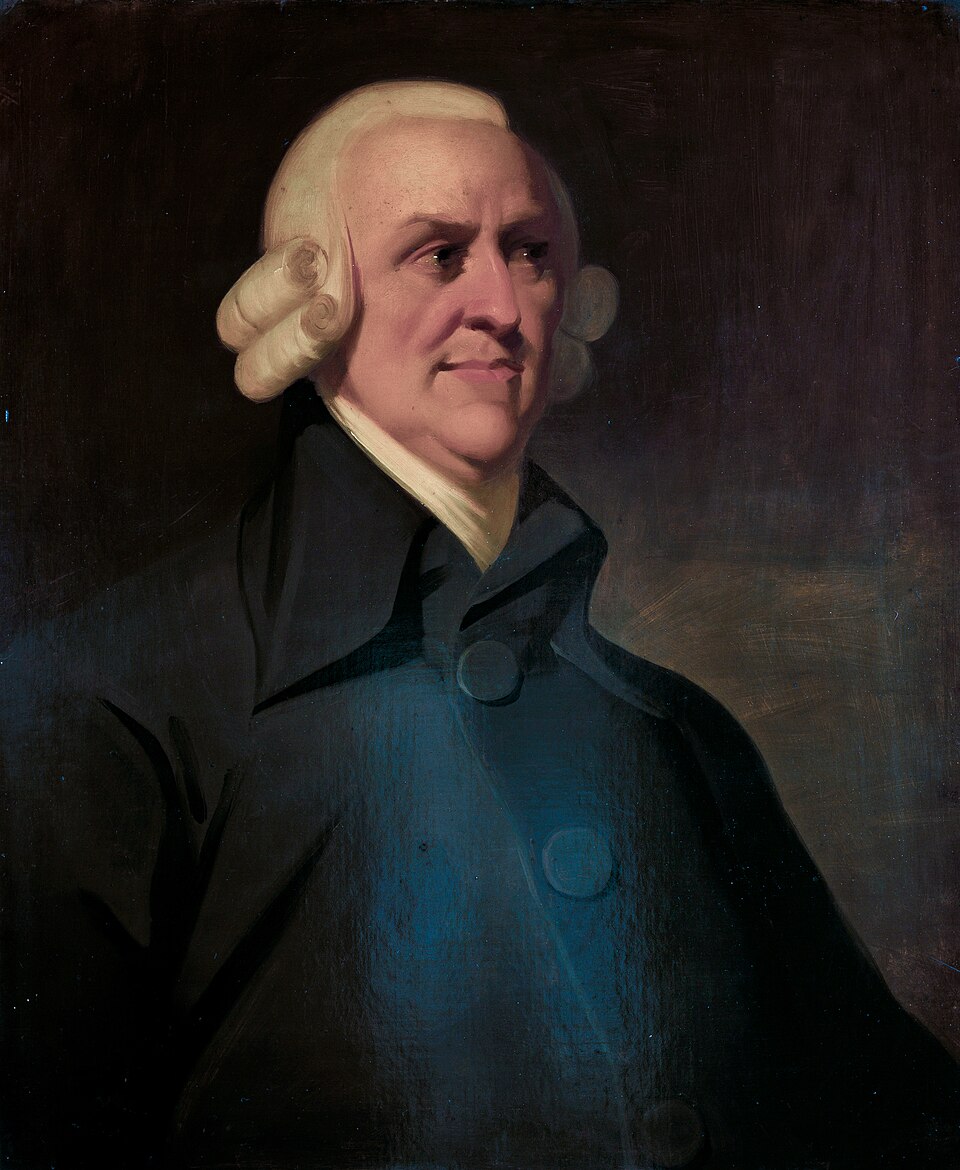
  • Portrait of Adam Smith

    Adam Smith

    1723–1790, Scotland (the Scottish Enlightenment: Kirkcaldy, Glasgow, Edinburgh)

    Modest Tariffs, Immodest Pretences

    A small trade war between neighbours is still a war against their own consumers, waged for the benefit of a few well-organized interests.

    When a statesman describes a new round of tariffs as “relatively modest,” he reminds me of the physician who consoles his patient that the fever is not quite so violent as last week. The Canadian ministry has already imposed retaliatory duties on a large sum of American goods; the United States now bans certain dairy products, motorcycles, and many alcoholic drinks from Canada. Each measure is explained in the accents of sovereignty, security, and national dignity. Yet the dairy in the grocer’s case, the vehicle in the showroom, and the bottle on the table know nothing of honour: they only know whether they are dearer or cheaper to the buyer who must part with his wages.

    Read the essay


  • Portrait of John Locke

    John Locke

    1632–1704, England (writing amid the Exclusion Crisis and the Glorious Revolution)

    Tariffs, Trust, and the Limits of Commercial War

    When governments tax and retaliate at the border, the question is not whether they may act, but whether their power remains a trust for the public good or slides, step by step, into arbitrary dominion.

    The scene, as I understand it, is this: the government of the United States has lately announced a ban upon the import of certain Canadian goods — some dairy, motorcycles, and most alcoholic drink — and the government of Canada has in turn laid retaliatory tariffs upon a large sum of American products, said to be $27.6 billion worth. Your Canadian prime minister, speaking at a cabinet retreat in Banff, calls the newest American move “relatively modest” beside past measures, and adds that his country is “always ready to sit down,” convinced there is a “mutually beneficial deal” consistent with the sovereignty and interests of both nations. Here is already much said of scale, of retaliation, and of interest, but little yet of trust.

    Read the essay
  • Portrait of Niccolò Machiavelli

    Niccolò Machiavelli

    1469–1527, Florence (republican secretary and diplomat, then exile, amid the Italian Wars)

    Tariffs as the New Art of War

    When princes trade dairy bans instead of cannon fire, the wise man still asks the same question: who is using force with virtù, and who is drifting with the river of events.

    The scene is not a battlefield but a cabinet retreat in Banff, and yet I recognize the smell of war. The United States has barred certain Canadian dairy products, motorcycles and most alcoholic drinks; Canada has already answered with tariffs on $27.6 billion of American goods. One prince calls the latest American move “relatively modest,” and speaks of security, sovereignty and a mutually beneficial deal. Do not be distracted by the politeness of the words or the cleanliness of the clothes. These are maneuvers between powers testing strength, probing each other’s nerves, and seeking to alter the balance without firing a shot. It is war by other means, but it is still war, and must be judged by the same measures.

    Read the essay