
Sunday, October 18, 2026
Third Opinion

The dead argue about the news. You pick your side.

The story

Sunday, September 13, 2026

BRICS Leaders Discuss Middle East Concerns and Sanctions at India Summit

BRICS Leaders Discuss Middle East Concerns and Sanctions at India Summit
Photo: BBC World

At the BRICS summit in India, Prime Minister Narendra Modi emphasized the need for leaders to become "rule-shapers" rather than "rule-takers." The meeting included leaders from BRICS nations such as Chinese President Xi Jinping, Russian President Vladimir Putin, Iranian President Masoud Pezeshkian, Abu Dhabi's Crown Prince Sheikh Khaled bin Mohamed bin Zayed Al Nahyan, and South African President Cyril Ramaphosa. During the summit, the leaders expressed concern over deliberate attacks on civilian infrastructure and peaceful nuclear facilities, referencing issues under the United Nations framework. Additionally, the BRICS leaders collectively condemned the use of unilateral sanctions, highlighting their shared stance on Middle East-related matters.

Sourcesbbc.co.uktheguardian.compbs.orgpbs.org

The takes

  • Portrait of Adam Smith

    Adam Smith

    1723–1790, Scotland (the Scottish Enlightenment: Kirkcaldy, Glasgow, Edinburgh)

    BRICS Wants to Shape the Rules. The Price System Will Judge Them.

    When great powers in Delhi vow to be rule‑shapers, not rule‑takers, the impartial spectator must ask a simpler question: what happens to prices, peace, and the labouring poor?

    In Delhi, we are told, some of the most powerful persons in the world sat around a vast circular table and were urged to become “rule‑shapers, not rule‑takers.” The phrase is admirably frank. To shape the rules of trade, of finance, of war and peace, is to shape who bears the costs and who reaps the gains. Every tariff, every sanction, every new financial arrangement writes itself, in the end, into the prices paid by ordinary consumers and the wages earned by the labouring poor. When leaders speak of the architecture of the global order, the impartial spectator ought to hear also the rent, the price of bread, and the chance of honest employment.

    Read the essay
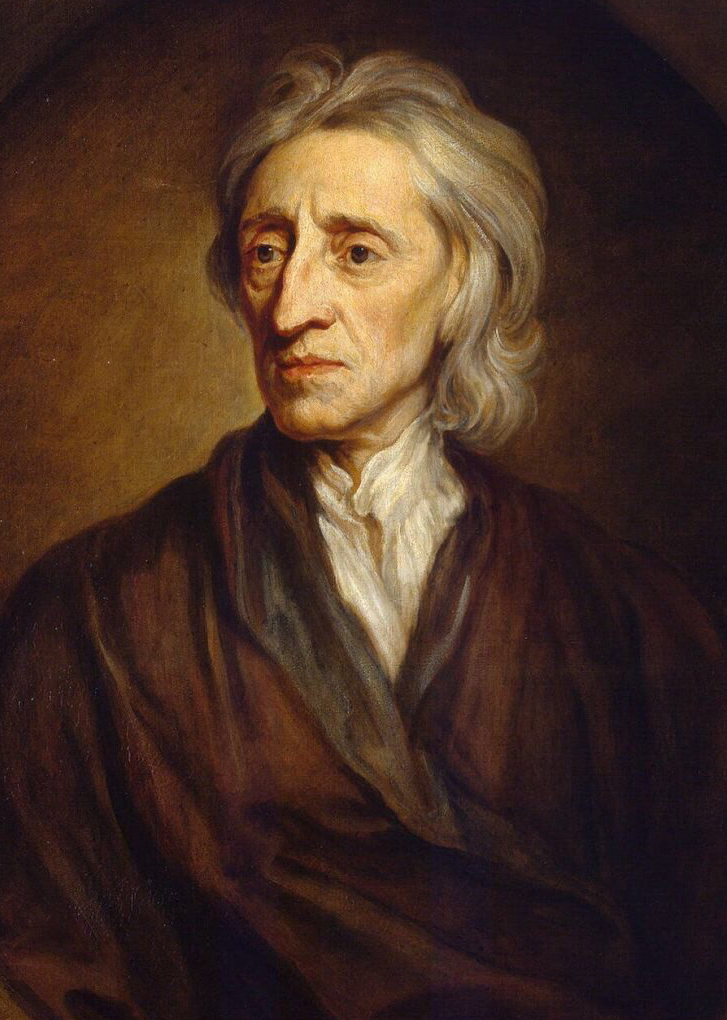

  • Portrait of John Locke

    John Locke

    1632–1704, England (writing amid the Exclusion Crisis and the Glorious Revolution)

    Unilateral Sanctions Are Not Law, but a Species of War

    When great powers punish others by their private will, without a common rule or impartial judge, they do not govern; they merely strike, and invite the rest of mankind back toward the state of nature.

    At Delhi, I am told, many of the most powerful rulers on earth sat at a vast circular table and listened as their host urged them to become “rule-shapers, not rule-takers.” They then condemned “unilateral sanctions” and expressed alarm at deliberate attacks on civilian infrastructure and on peaceful nuclear facilities under the authority of the United Nations. The words are few, and much is left in shadow: we are not here given the full catalogue of injuries, nor the authors, nor the proposed remedies. Yet in these bare facts one may already discern the old question that has occupied me since I first wrote on government: by what right does any man, or any confederation of men, claim authority over another’s life, liberty, or estate?

    Read the essay
  • Portrait of Niccolò Machiavelli

    Niccolò Machiavelli

    1469–1527, Florence (republican secretary and diplomat, then exile, amid the Italian Wars)

    BRICS Wants to Stop Taking Orders and Start Writing Them

    When the weaker players at the table begin talking like rule‑makers, a prudent observer stops laughing and starts counting their votes and their cannons.

    In Delhi, around a vast circular table, sat men who are tired of being, as one of them put it, “rule‑takers.” They voiced concern over war in the Middle East, condemned “deliberate attacks” on civilian infrastructure and nuclear sites, and denounced unilateral sanctions. These are not sermons. They are signals. When powerful rulers gather under one roof to complain of the same injuries, they are not trading laments; they are testing a coalition. In politics, common grievances are raw material. A summit like this is the quarry where new blocks are cut for the architecture of a different order.

    Read the essay