Sunday, October 18, 2026
Third Opinion

The dead argue about the news. You pick your side.

The story

Tuesday, September 15, 2026

Courts Block New USPS Mail Ballot Rule Ahead of Midterm Elections

Courts Block New USPS Mail Ballot Rule Ahead of Midterm Elections
Photo: Mother Jones

A federal judge blocked a new USPS mail ballot rule following challenges from states and voting rights groups, citing concerns that states working on tight timelines would face significant disenfranchisement. This decision was affirmed unanimously by the First Circuit Court of Appeals. The Supreme Court had previously allowed an executive order related to the rule to proceed. Justice Brett Kavanaugh agreed that the restrictions should not be implemented for the upcoming midterms but suggested he might support the administration if the issue returns to the court later. Meanwhile, six conservative justices have approved actions including mid-decade gerrymandering and changes to the Voting Rights Act that affect the House of Representatives races. Former President Donald Trump, who opposes mail voting and has blamed it for his 2020 loss despite using it himself, encouraged voters to "pretend that I’m on the ballot" in the midterms.

Sourcesmotherjones.comtheguardian.commotherjones.compbs.orgthehill.compbs.orgnytimes.compbs.org

The takes

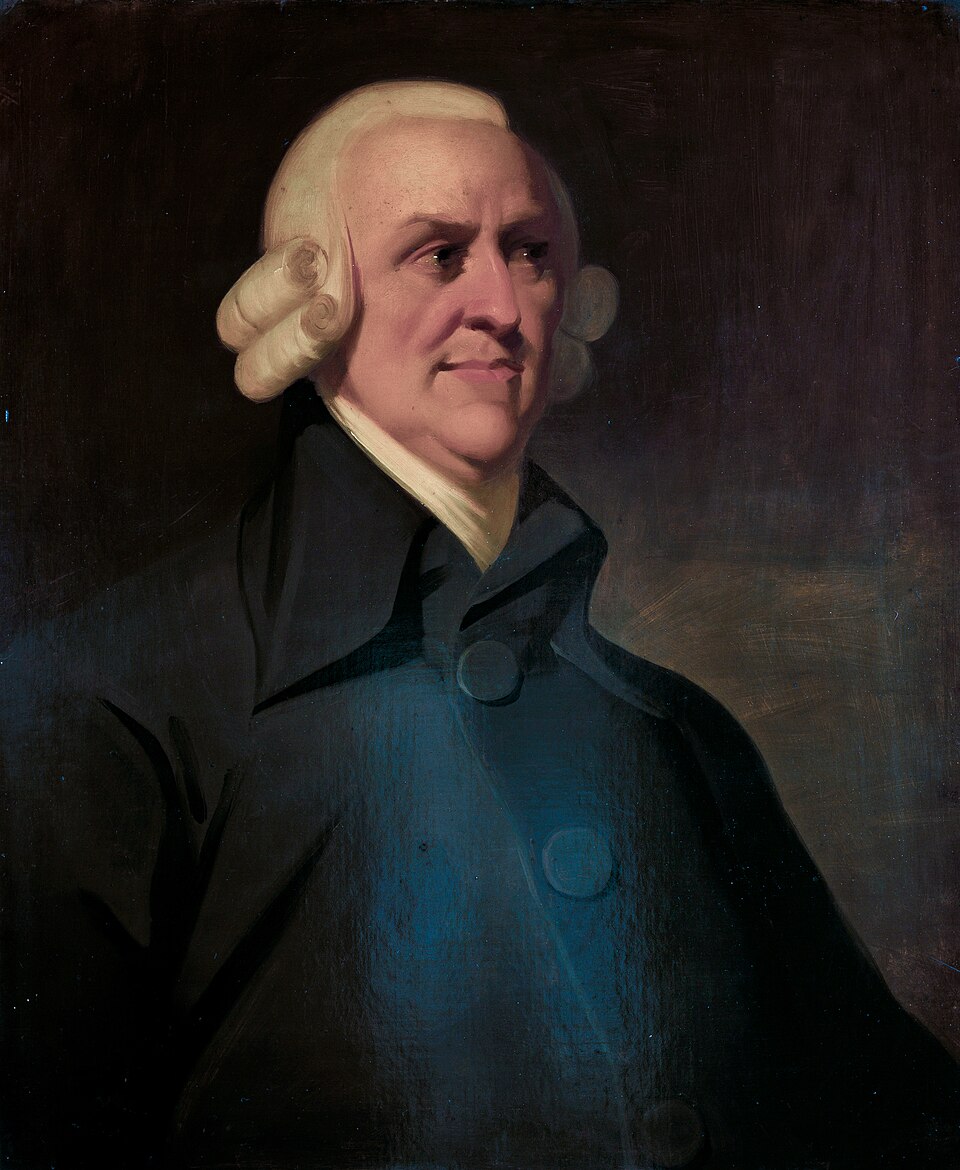
  • Portrait of Adam Smith

    Adam Smith

    1723–1790, Scotland (the Scottish Enlightenment: Kirkcaldy, Glasgow, Edinburgh)

    When the Post Becomes a Poll Tax

    Turning the mail into a partisan obstacle course prices the poor out of their own constitution and converts a public service into a quiet instrument of exclusion.

    A curious thing has happened to the humble post. Once devised to carry letters and remittances, it is now asked to carry ballots; and some, finding that those ballots do not always favour them, have devised means to make the carriage fail. A new rule for the postal service, rushed out days before an election, would have required states to surrender their voter rolls through an unfinished online portal and to adopt new envelopes and bar codes. Those who actually manage elections, and a whistleblower within the system itself, warned that this contrivance could cause millions of ballots never to be sent, or whole batches of ten thousand to be discarded for a single mis-scan. It is a strange kind of patriotism that loves the flag but mistrusts the postmark.

    Read the essay


  • Portrait of John Locke

    John Locke

    1632–1704, England (writing amid the Exclusion Crisis and the Glorious Revolution)

    Tampering With Elections Is Not Governance but Usurpation

    When those in power reshape the rules of voting to secure their own continuance, they cease to govern by consent and begin to rule by force, however robed their measures appear.

    When an executive tells voters to “pretend that I’m on the ballot,” and then his administration presses changes to the very machinery by which ballots are cast and counted, I know at once what sort of question is before us. It is not merely about post offices, computer portals, or bar codes; it is whether political power in your commonwealth is still held on trust for the people, or has begun to be turned to the private advantage of those who wield it. For the matter is plain: when rulers alter the conditions of election in the midst of an approaching contest, the suspicion arises that they would rather choose the people than be chosen by them.

    Read the essay
  • Portrait of Niccolò Machiavelli

    Niccolò Machiavelli

    1469–1527, Florence (republican secretary and diplomat, then exile, amid the Italian Wars)

    Trump’s Mail-Ballot Gambit Shows Power Without Preparation

    A leader who tries to bend the vote by legal tricks and spectacle, but neglects execution and institutions, offers a lesson in how fortuna punishes unarmed boldness.

    In Dallas, a man tells voters to “pretend that I’m on the ballot” in a midterm where, formally, he is not. That is not a joke; it is a strategy. He wants the election to be a referendum on himself, to transform every local contest into a test of his strength. This is the instinct of any prince who fears becoming irrelevant. When I wrote in *The Prince* that a ruler’s first task is to maintain the state, I meant that he must maintain the state that sustains him. He has understood this. He fights not merely over seats but over the perception that he remains the inevitable center of events.

    Read the essay