Sunday, October 18, 2026
Third Opinion

The dead argue about the news. You pick your side.

The story

Friday, September 18, 2026

New Wild Cat Species Discovered in Bolivia's Yungas Forest

Researchers have identified a new species of wild feline in Bolivia's Yungas forest, a mountainous region characterized by cloud-covered forests and high humidity. This diminutive wild cat, smaller than the average domestic cat, has been named tilcayo by local communities. It belongs to the group known as tiger cats, which are found across much of South America. The spotted wildcat had previously been mistaken for related species but has now been formally described as a distinct species. This discovery marks the first time in over a century that a new living feline species has been named and described.

Sourcestheguardian.comaljazeera.comnpr.orgbbc.co.uk

The takes

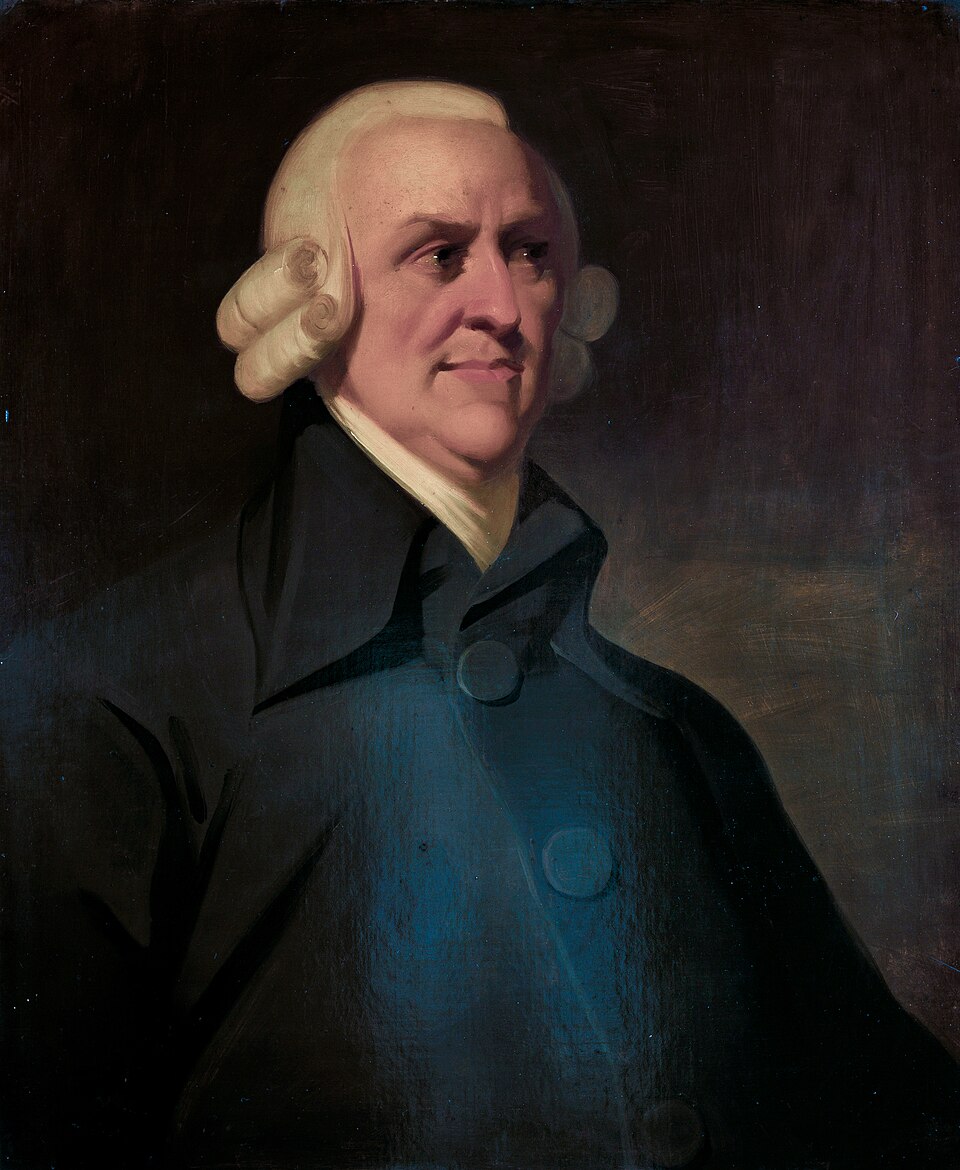
  • Portrait of Adam Smith

    Adam Smith

    1723–1790, Scotland (the Scottish Enlightenment: Kirkcaldy, Glasgow, Edinburgh)

    Why a Tiny Bolivian Cat Belongs on the Nation’s Balance Sheet

    The newly named tilcayo of Bolivia’s cloud forest is not an ornament to our curiosity but a small, fierce reminder that knowledge itself is part of a country’s wealth—and sometimes a proper charge upon the public purse.

    The appearance of a new wild cat on the stage of science, in Bolivia’s humid Yungas forest, might seem at first a matter only for naturalists and lovers of picturesque novelty. A diminutive spotted feline, smaller than the average domestic cat, long mistaken for its tiger‑cat cousins and known to local people as the tilcayo, has at last been recognised as a distinct species, with perhaps but a single known living member. It is a charming story, easily consumed and as easily forgotten. Yet even so small a creature prowls across the great questions of wealth, justice, and the proper business of the state.

    Read the essay


  • Portrait of John Locke

    John Locke

    1632–1704, England (writing amid the Exclusion Crisis and the Glorious Revolution)

    A New Wild Cat, and the Old Question: Who May Claim It?

    The tilcayo of Bolivia’s cloud forests enlarges our knowledge, but it also quietly tests whether power will respect the rights of the people who already knew its name.

    That men in your century should celebrate the finding of a new wild cat, rather than a new weapon, is itself a sign of some health in the commonwealth of learning. In Bolivia’s lush Yungas forest, in those clouded mountains where the air is thick with moisture and, it seems, with secrets, observers have at length distinguished a diminutive spotted feline as a species of its own. Smaller than many household cats, long mistaken for its tiger-cat relatives, and known as tilcayo by local communities, it has now been formally named and described by researchers, who report that only one living member is presently known. A small creature, yet it raises large questions.

    Read the essay
  • Portrait of Niccolò Machiavelli

    Niccolò Machiavelli

    1469–1527, Florence (republican secretary and diplomat, then exile, amid the Italian Wars)

    The Little Wild Cat and the Large Politics of Discovery

    A diminutive feline in Bolivia’s cloud forest offers a lesson in how virtù seizes fortuna, and how even science becomes a battlefield of reputation and rule.

    A new wild cat appears in the Yungas cloud forest of Bolivia, and men are astonished because it is the first time in more than a century that anyone has formally named a living feline species. I am not astonished that the cat exists; nature hides many things from eyes that do not look. I am struck that it remained a secret to those who claim to know the world. Local people already called it tilcayo, while learned men mistook it for a relative. This is the effectual truth: the beast was there, the people saw it, and the scholars did not. Power begins with who has the right map of the woods.

    Read the essay