
Sunday, October 18, 2026
Third Opinion

The dead argue about the news. You pick your side.

The story

Friday, September 18, 2026

Warren Buffett steps down as Berkshire Hathaway chairman after over 50 years

Warren Buffett steps down as Berkshire Hathaway chairman after over 50 years
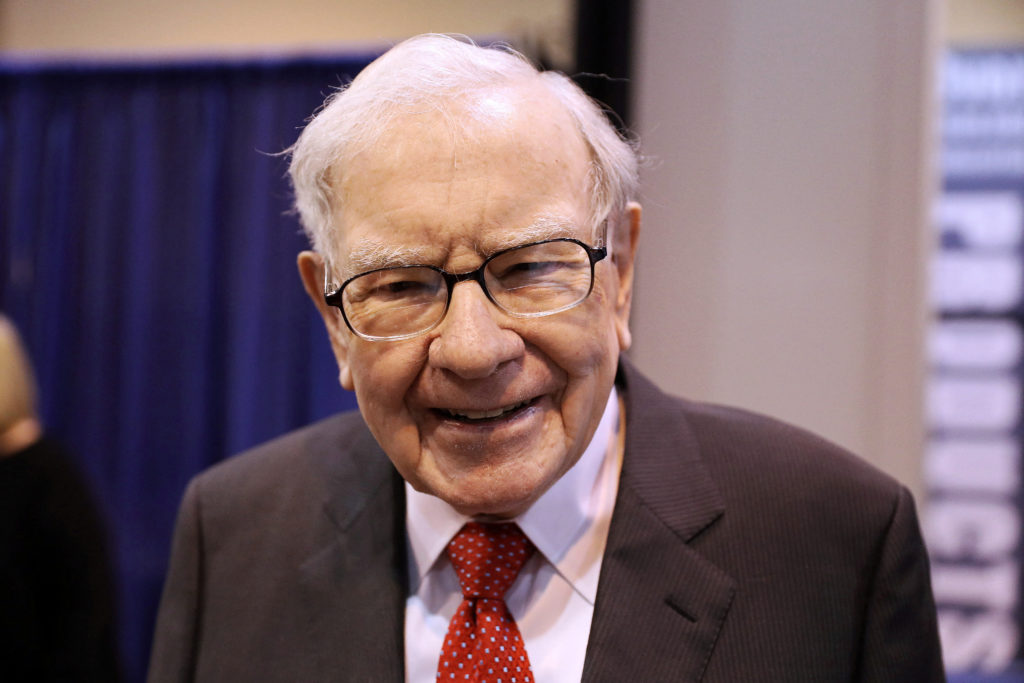
Photo: PBS NewsHour

Warren Buffett, who has served Berkshire Hathaway since 1965 and as its chairman since 1970, is stepping down from his role as chairman after more than 50 years. The company announced that the 96-year-old Buffett will immediately assume the position of chairman emeritus. Berkshire Hathaway's leadership praised Buffett's impact on the company and its owners as unparalleled in American business history. Buffett communicated his decision in a letter to shareholders, marking the end of a significant era for the company he has led for decades.

Sourcespbs.orgnpr.orgpbs.org

The takes

  • Portrait of Adam Smith

    Adam Smith

    1723–1790, Scotland (the Scottish Enlightenment: Kirkcaldy, Glasgow, Edinburgh)

    How to Retire a Capitalist King Without Robbing the Kingdom

    A famed investor’s graceful exit from his own empire shows how self-interest, disciplined by justice and the impartial spectator, can arrange succession without sacrificing the public.

    A man who has presided over the same great commercial empire since 1970, and served it, as he himself says, since 1965, now lays down the chair and takes up the gentler dignity of chairman emeritus. His company is immense, its value numbered, I am told, in the thousands of billions of your dollars, and his impact on it and its owners is described by his colleagues as without parallel. Such phrases should always awaken suspicion; praise is cheapest when it is costless. Yet the fact remains: a single directing mind has shaped a vast conglomerate for more than half a century, and has at last contrived to leave it standing without himself upon the stage.

    Read the essay


  • Portrait of John Locke

    John Locke

    1632–1704, England (writing amid the Exclusion Crisis and the Glorious Revolution)

    Warren Buffett’s Exit Shows How Long Power Can Last Without Becoming Tyranny

    A boardroom monarchy can be tolerable when it is openly fiduciary, continually consented to, and relinquished without a struggle for absolute power.

    That a single man should preside as chairman over one great trading company for more than fifty years would, in my own century, have sounded like a species of commercial monarchy; that he should depart it at ninety‑six, become something styled an emeritus, and hand the chair to his son, would have raised grave suspicions of a disguised inheritance of power. Yet the reports before us speak, not of tumult or accusation, but of a deliberate succession, long prepared, with another trusted officer already acting as chief executive and a board publicly commending the founder’s impact upon the owners. I am moved, therefore, to ask what makes such a concentration of power tolerable, when in politics it would be intolerable.

    Read the essay
  • Portrait of Niccolò Machiavelli

    Niccolò Machiavelli

    1469–1527, Florence (republican secretary and diplomat, then exile, amid the Italian Wars)

    Warren Buffett Shows How a Wise Prince Abdicates

    By turning Berkshire Hathaway into an armed republic of habits rather than a court of flatterers, Buffett prepares it to outlive his own fortune and his own fame.

    A man of ninety-six who still chooses his own exit is already teaching a lesson. Warren Buffett steps down as chairman of Berkshire Hathaway after holding the post since 1970 and serving the company since 1965. He does not leave in disgrace, in illness, or amid panic, but becomes chairman emeritus with a prepared statement from Greg Abel praising an impact “without parallel in the history of American business.” This is not the language of a palace coup. It is a public ritual of continuity. The effectual truth is simple: the old prince walks out upright, smiling, and hands the keys to his own design. Few rulers manage even that.

    Read the essay