Trump Announces Military Features for Planned Triumphal Arch Near Washington
A Triumphal Arch Is No Place for a Hidden Fortress
When a ruler stuffs a public monument with snipers, drones, and ammunition on his own say‑so, he ceases to govern by consent and begins to rule by fear.
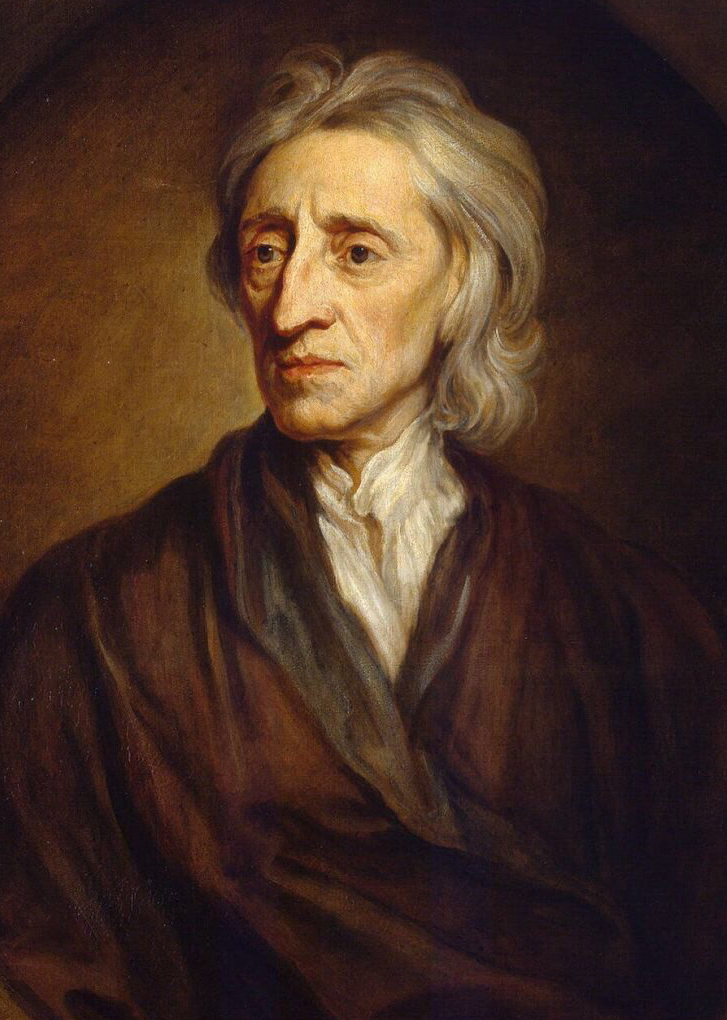
The present controversy, as it has been reported, is plain in its outline, though thin in many particulars. The President has proposed a massive triumphal arch, bridging the capital and its neighboring territory, and now announces that this public work shall incorporate a “top grade military complex.” It will store military equipment, perhaps ammunition, and be fitted to deploy snipers and drones, all, he says, for national security and at the request of the military. I am told this was proclaimed in a brief public message, not debated in any open council of the people’s representatives. The work is to rise near their monuments and resting places, yet without their clear, prior assent.
When I once defined political power in my Second Treatise as a right of making laws, with penalties of death and lesser pains, only for the public good, I meant to distinguish it from mere force dressed in ceremony. Power is held on trust, for the preservation of the people’s lives, liberties, and estates, and only so far as they could reasonably consent to it. The building of a public monument is one thing; the lodging of hidden soldiers, arms, and engines of death in its bowels is another. The first is a matter of honour and memory; the second, of immediate power over men’s bodies as they move in their common ways.
Here, several questions arise, and they all press in one direction. First, did the people, by their legislative or some known rule, authorize the conversion of this arch into a permanent military post, with snipers and drones ready to act upon them? Secondly, if they did not, by what authority does the executive alter the nature of the project, turning a civil structure into an armed redoubt? Thirdly, even if some general law of defence be pleaded, has it been shown that such a fortress in the midst of civil life is necessary to secure, rather than to endanger, the lives and liberties it will overhang? Power must answer these questions; liberty is not bound to assume them.
I grant readily that a magistrate may, in times of danger, use what I called prerogative: a power to act for the public good where the law is silent, or even against its letter, provided the people afterwards see and approve the necessity. So too, a nation may maintain garrisons, arsenals, and engines of war, for men are not angels, and the world is not a harmless place. But prerogative is a trust, not a right of dominion; it is tolerable only while it is plainly for the public good and manifestly revocable. To embed a military complex in a triumphal arch, without a clear, deliberative law and full disclosure of its purposes, strains this notion past breaking.
For what is the condition of a people who walk daily under the muzzles of concealed rifles and the unseen eyes of armed drones, placed there by a single will, without their expressed consent, under rules they do not know and cannot judge? They are no longer under a government of known standing laws and an impartial judge. They are placed instead under a discretionary power that may, in the moment of passion or mistake, be judge in its own case, and execute its sentence with a trigger or a signal. In the Second Treatise I argued that such absolute, arbitrary power is worse than the state of nature it pretends to cure; for there men face one another as equals, but here they stand exposed to force from above, without recourse.
Some will reply that it is all for “national security,” and that the military itself requested this alteration. Yet this is to mistake the instrument for the master. Soldiers are necessary servants of the commonwealth, not its tutors in liberty. Their judgment may be excellent in the choice of means once ends are set by law, but they cannot, by mere request, enlarge the ends of government. National security, if it be understood to justify any measure that power desires, is only a new name for arbitrary rule. The true security of a nation does not lie chiefly in hidden guns, but in the assurance every citizen has that he will not be harmed in his life, liberty, or possessions except by due process and visible law.
I do not say that one act alone dissolves governments; but I do say that such an act fits naturally into that long train of abuses by which rulers accustom their people to fear, and thus to servility. The people are not bound to wait until the last link is forged. They may demand that this design be laid open, subjected to their legislative, bounded by clear law, or abandoned. For when a triumphal arch is quietly turned into a fortress over the heads of free men, the question is no longer about architecture; it is whether they will be governed as subjects of trust, or as targets under a perch.
From the works cited
- Second Treatise of Government — Political power defined narrowly as the right to make laws, with penalties, only for the public good — anything beyond that definition must justify itself or stand condemned.
- Second Treatise of Government — Absolute arbitrary power is worse than the state of nature it claims to cure. Judge any concentration of discretion — executive, corporate, algorithmic — by whether it leaves those subject to it a known standing law and an impartial judge, or makes the powerful judge in their own case.