
Sunday, October 18, 2026
Third Opinion

The dead argue about the news. You pick your side.

The story

Tuesday, September 22, 2026

CNN, MS NOW, and Politico File Lawsuit Against President Trump

CNN, MS NOW, and Politico File Lawsuit Against President Trump
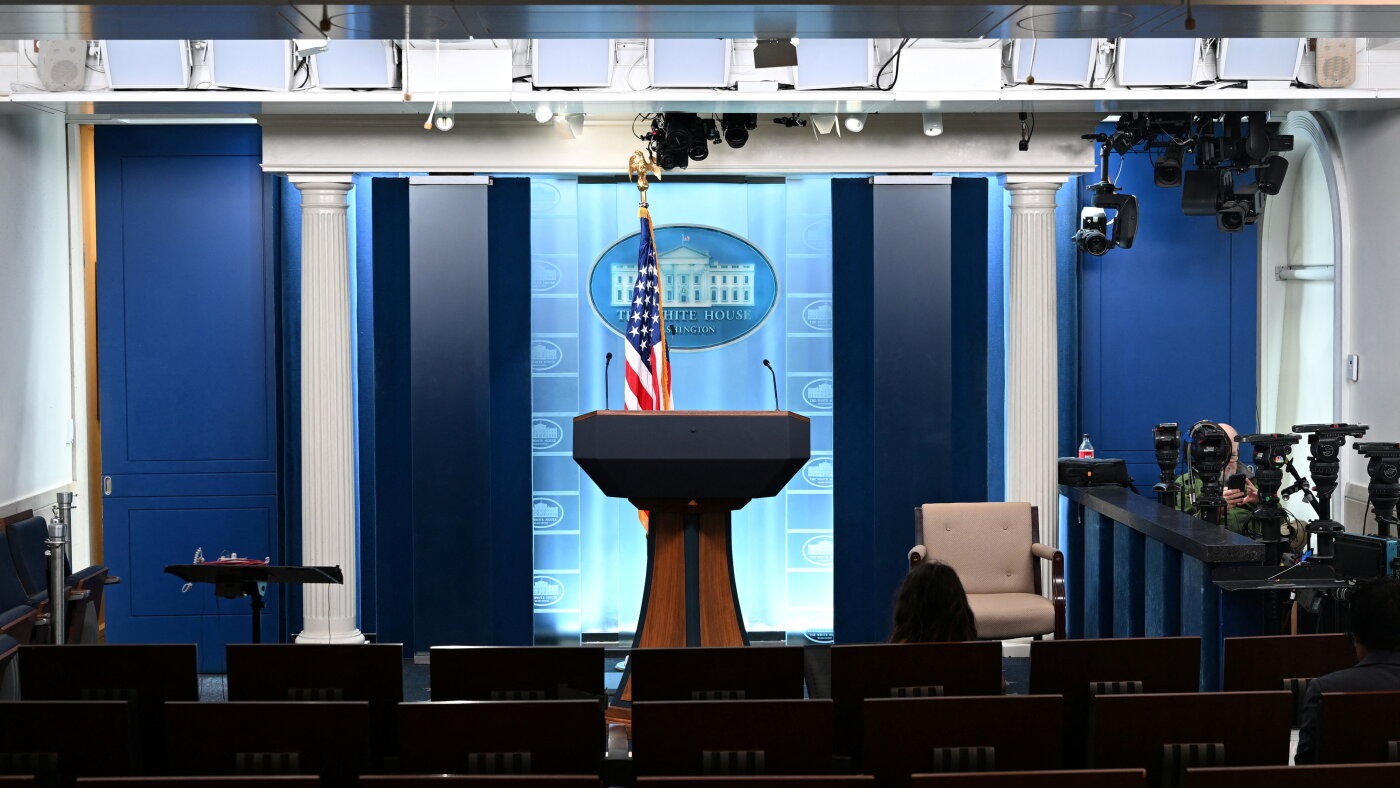
Photo: NPR News

CNN, MS NOW, and Politico have filed a lawsuit against President Trump alleging violations of their constitutional rights. CNN reporter Julia Benbrook provided a live report near the White House on September 19, 2026. Major television networks supported CNN, which was designated to provide shared pool coverage of President Trump's departure from the White House and his visit to the United Nations in New York City. Separately, the company associated with ChatGPT text has reported good adoption of its Trusted Contact feature, though it did not provide data on the number of users.

Sourcesnpr.orgreason.commotherjones.compbs.orgpbs.orgfoxnews.commotherjones.com

The takes

  • Portrait of Adam Smith

    Adam Smith

    1723–1790, Scotland (the Scottish Enlightenment: Kirkcaldy, Glasgow, Edinburgh)

    Why the President Must Not Choose His Own Reporters

    When rulers begin to ration who may witness their conduct, they do not merely quarrel with journalists; they tamper with the price system of information on which a free people and a free market both depend.

    The scene is almost theatrical. A president prepares to leave the house of power for the assembly of nations, and the eyes of the country are invited to follow. Yet here, we are told, certain news organisations—CNN, MS NOW, Politico—allege that they were excluded from the common vantage, and that this exclusion violates their constitutional rights. Other major networks, who might have profited from the absence of a rival, instead supported CNN’s role as the shared “pool” observer of the president’s departure and journey to the United Nations in New York. When those who sell attention insist upon sharing it, the philosopher is bound to ask what principle, beyond mere trade, is at stake.

    Read the essay


  • Portrait of John Locke

    John Locke

    1632–1704, England (writing amid the Exclusion Crisis and the Glorious Revolution)

    When a President Chooses His Own Reporters, He Judges in His Own Case

    A lawsuit by CNN, MS NOW, and Politico is not a quarrel among courtiers, but a test of whether political power in your age still understands that it is held on trust and answerable to open scrutiny.

    I am told of an incident in which several news organizations—CNN, MS NOW, and Politico—have brought suit against a sitting president, alleging that he violated their constitutional rights. The spark, so far as is reported, is his refusal to permit one of them to provide the common, or pool, coverage of his departure from the White House and his visit to the United Nations in New York. Major television networks, it seems, sided with the excluded party. The picture is thus of a magistrate, about to appear on a world stage, choosing which witnesses the public may employ to behold his conduct. I cannot help hearing, beneath these modern names, an old and dangerous claim to rule opinion by favour.

    Read the essay
  • Portrait of Niccolò Machiavelli

    Niccolò Machiavelli

    1469–1527, Florence (republican secretary and diplomat, then exile, amid the Italian Wars)

    A Prince Who Quarrels With the Heralds

    When a ruler under siege turns his weapons on the press that reports his movements, he wagers his state on appearances without mastering the economy of fear, hatred, and law that governs them.

    The scene is clear enough for our purposes. A president with approval below forty percent, burdened by economic anxieties from a war in Iran and facing midterm elections, prepares to depart his palace for the United Nations. The great television networks have agreed that CNN will act as the shared pool, the single pair of eyes through which many will see his departure and appearance in New York. At that very moment, CNN, MS NOW, and Politico accuse him in court of violating their constitutional rights. Thus, the escort who should magnify his dignity instead drags him before the judges. When the herald sues the prince, the real combat is over narrative.

    Read the essay