Tensions Persist in Strait of Hormuz After US Rejects Iran's Proposal
Shutting Hormuz Is Taxing the Poor Without a Vote
By rejecting negotiation over the Strait of Hormuz and drifting toward explosions instead of bargains, statesmen are quietly taxing the world’s labourers through dearer energy and shattered confidence in trade.
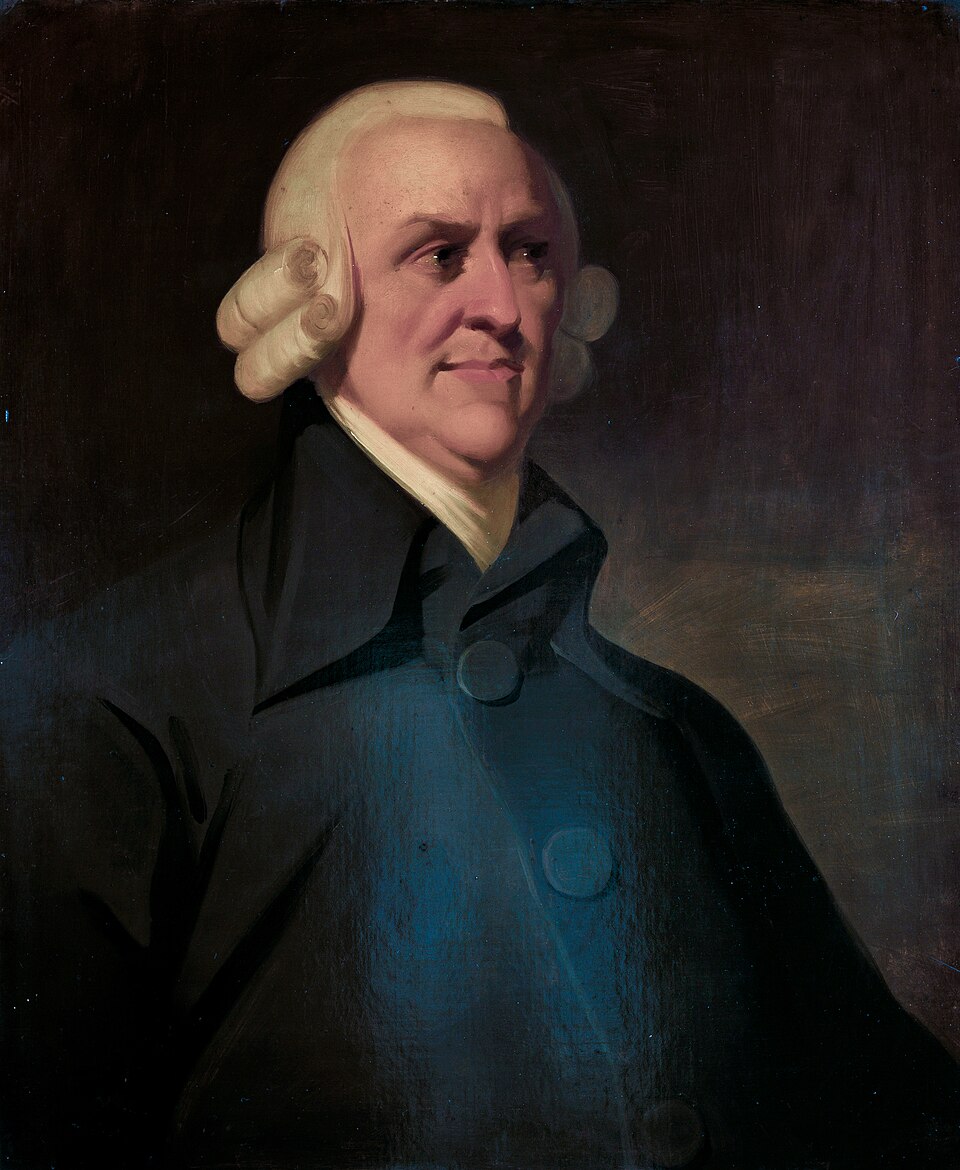
When a narrow channel carries much of the world’s crude oil, one need not be a philosopher to see that a cannon fired there resounds in every kitchen in the world. We are told that a proposal to reopen the Strait of Hormuz was rejected, that mediators were at hand, and that, hours later, explosions were heard in the waterway. At the very moment when crude was being shepherded out of the Gulf in prodigious quantity, the chief artery was treated as a stage for gesture and reprisal. The drama is local and visible; the bill will be global and obscure. It will arrive not as a declaration of war, but as a higher fuel bill and a smaller pay packet.
In my inquiry into the Wealth of Nations I observed that the division of labour, which so happily multiplies the workman’s productivity, is everywhere limited by the extent of the market. The Strait is no metaphorical market; it is a literal one, a short strip of sea that joins many buyers to many sellers. Obstruct it by threats, blacklists and explosions, and you do not merely inconvenience a few great merchants; you contract the effective market for energy, you narrow the field over which specialization can play, and you set in motion that melancholy reverse progress by which opulence decays. To close such a passage is to pull down a bridge on which the whole world is walking to work.
The impartial spectator – that calm witness within whose judgment I once urged us to consult – would look not at the dignity of the diplomatic notes, but at the consequences to those least considered in drafting them. The statesmen in New York and Tehran speak of conditions, memoranda, half measures and illusions; airlines cancel flights, banks cut ties, and ships face the menace of blacklisting or attack. Yet the spectator sees instead the lorry driver whose fuel costs rise, the factory girl laid off when orders falter, the farmer who pays more for every mile between his field and the town. They have no seat at the conference table; they supply the table’s contents.
It is said the conflict has already spread its economic costs beyond the immediate parties. This is precisely what conflicts at key straits always do, and why a prudent magistrate treats such waterways as public works of the first order, to be kept open with the same zeal with which he guards the courts of justice. In the Wealth of Nations I assigned to government the duty of defence and of those works which, though profitable to society, would not repay a private adventurer. Safe passage through Hormuz is such a work. To reject negotiation, while asserting a concern for security, is to mistake the nature of defence itself, which should secure trade, not sacrifice it as a burnt offering to honour.
Nor can we excuse this only as excess of zeal. The powers engaged are not indifferent to wealth or to its distribution; they are well apprised that tightening a strait raises the price of every barrel that escapes it. Wherever large quantities of a commodity must pass through a narrow gate, there will gather around that gate a crowd of projectors, generals and monopolists, each hoping to turn the key to his own advantage. When I warned that men of the same trade are apt to conspire against the public, I had chiefly in view merchants in a town; but fleets and militias can be parties to the same conspiracy when, under pretence of public safety, they contrive to raise prices for all and profits for a few.
There is, too, the vanity of power. In my moral work I described the poor man’s son who imagines that greatness will repay all his toils, only to find it loaded with anxiety and disappointment. Nations have their version of this delusion. To some rulers, the reputation for intransigence is more alluring than the quiet fruits of peace; to some factions, the appearance of never compromising is valued above the reality of lower prices and steadier wages for their own people. They choose, in short, the splendour of being feared over the duller happiness of being useful. The impartial spectator cannot but regard such preference as childishness armed with artillery.
Yet even childishness must be governed by institutions. The danger here is not only impetuous temper, but the habit of treating the great chess-board of human society as if each nation, each ship, each market, were a piece to be pushed without resistance. A president tears up a memorandum, a minister insists only negotiation can end conflict, and each imagines that, because he has moved his piece, the rest must follow. They forget that every sailor, merchant, consumer and labourer has a principle of motion of his own, and will adjust in ways no council can foresee – hoarding, diverting trade, abandoning ventures, demanding higher wages to face higher costs. In place of the gentle order of the market, they substitute a clumsy and ruinous game whose winnings are counted in prestige, and whose losses are borne in silence by the poor.
If statesmen will not be guided by humanity, they might at least attend to arithmetic. Every explosion in the Strait is an unvoted tax on the world’s labour, levied in dearer energy and diminished opportunity, and farmed out to the most volatile and least scrupulous collectors on earth.
From the works cited
- An Inquiry into the Nature and Causes of the Wealth of Nations — The division of labour (the pin factory) as the engine of opulence, limited by the extent of the market.
- An Inquiry into the Nature and Causes of the Wealth of Nations — Trace every policy to its effect on prices, wages, and entry, and name the invisible loser.
- The Theory of Moral Sentiments — Judge conduct by the impartial spectator: what would a well-informed, disinterested observer feel about this action?