

Sunday, October 18, 2026
Third Opinion

The dead argue about the news. You pick your side.

The story

Tuesday, September 29, 2026

Senate Passes Protect College Sports Act with Bipartisan Support

Senate Passes Protect College Sports Act with Bipartisan Support
Photo: Reason

The Senate passed the Protect College Sports Act on Monday with a vote of 77 in favor and 22 against, while one senator did not vote. The legislation received mostly bipartisan support, including 50 Republicans and 27 Democrats voting in favor. The bill now faces further consideration in the House of Representatives and potential challenges in the courts.

Sourcesreason.commotherjones.commotherjones.com

The takes

  • Portrait of Adam Smith

    Adam Smith

    1723–1790, Scotland (the Scottish Enlightenment: Kirkcaldy, Glasgow, Edinburgh)

    College Sports Do Not Need a Parliamentary Coach

    When legislators take the field to “protect” a game, one should ask whether they are guarding the players or the gate receipts.

    The Protect College Sports Act has, I am told, passed your Senate by an overwhelming and bipartisan majority, and yet is expected to encounter a rougher reception in the other chamber and before the courts. The bill’s friends say, in effect, that politicians rather than athletes and businesses ought to make the crucial decisions in this trade. Of the bill’s detailed provisions I have only the faintest sketch, but sometimes a sketch is enough. When a legislature, busied with wars, pensions, and the price of fuel, finds urgent time to rearrange a particular entertainment industry, one may safely presume that this zeal has been diligently nourished by interests nearer at hand than the general welfare.

    Read the essay

  • Portrait of John Locke

    John Locke

    1632–1704, England (writing amid the Exclusion Crisis and the Glorious Revolution)

    College Athletes Are Not the Legislature’s Property

    A bill to “protect” college sports will be just only if those whose labor sustains the games could rationally consent to the power it grants over their lives, liberties, and estates.

    News that a “Protect College Sports Act” has passed the Senate with overwhelming, bipartisan numbers would have many suppose the matter near settled. Seventy‑seven in favor, twenty‑two against: such a tally has a certain majesty, and in every age men are tempted to mistake majesty for right. Yet even its friends admit the bill faces a harder trial in the House and in the courts, and one account charges that its backers think politicians, not athletes and businesses, should take the lead in ordering this domain. When I see political power being claimed over the earnings and conduct of particular men, under color of their own good, I do not first ask how many hands were raised for it in the chamber; I ask by what right.

    Read the essay
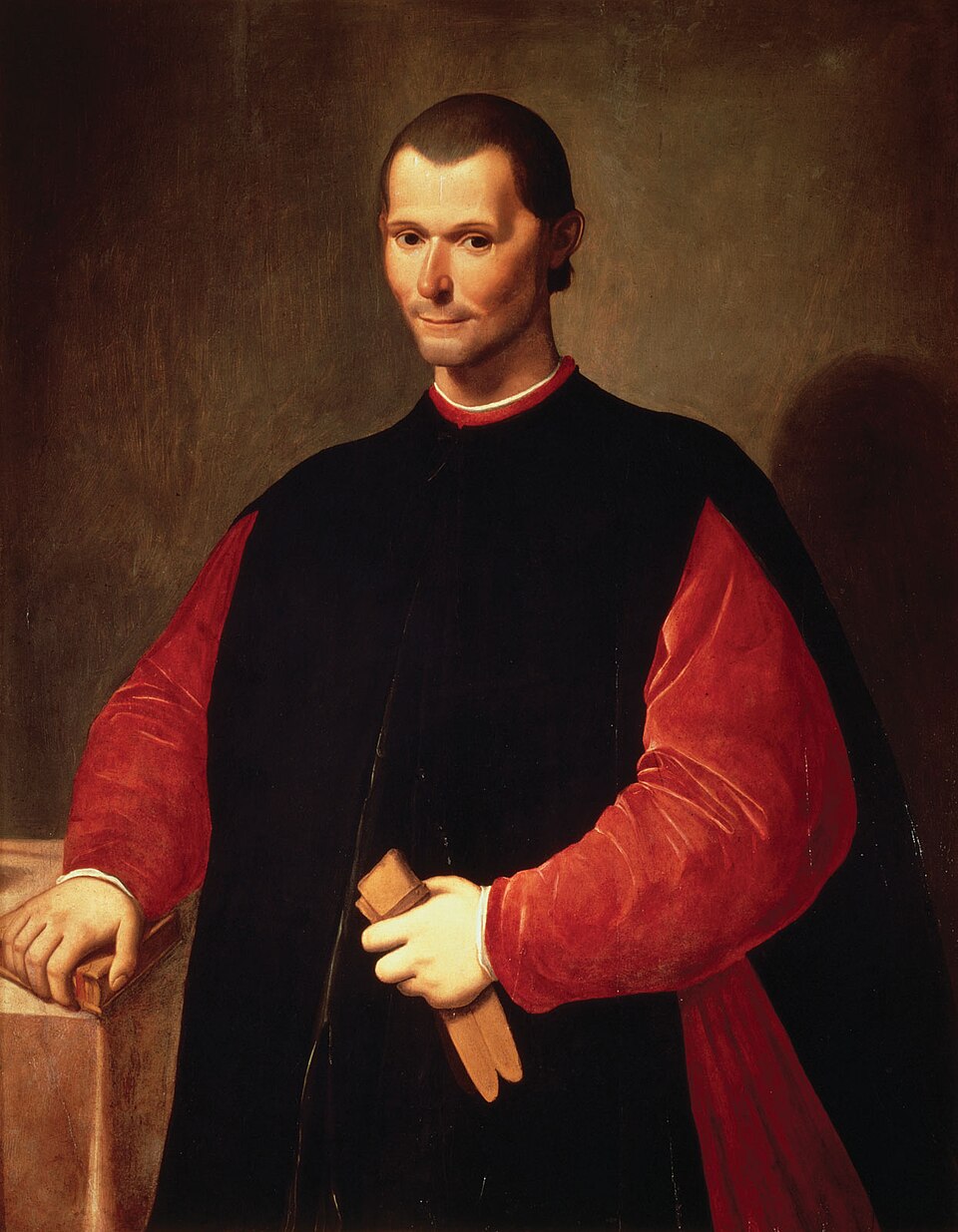
  • Portrait of Niccolò Machiavelli

    Niccolò Machiavelli

    1469–1527, Florence (republican secretary and diplomat, then exile, amid the Italian Wars)

    A 77–Vote Victory Is Not Power, Only the Opening Bid

    The Protect College Sports Act shows virtù in the Senate, but until it acquires arms in the House and the courts, it is a splendid banner without a fortress behind it.

    The scene is clear enough: a bill dressed in the noble costume of “protecting college sports” walks through the Senate with 77 votes at its back. Fifty from one faction, twenty‑seven from the other. This is not a squeak of passage but a triumphal entry, the sort of vote men boast about on campaign posters and in taverns. Yet I have seen this play before. Many measures cross their first river with drums and trumpets, only to drown later in some quiet canal where no one bothers to sing. One must measure not the applause in the first chamber but the strength that carries through the second, and then through the courts, which in your world are a third senate that never adjourns.

    Read the essay