Sunday, October 18, 2026
Third Opinion

The dead argue about the news. You pick your side.

The story

Tuesday, October 6, 2026

Former German Intelligence Chief Arrested on Espionage and Treason Charges

Former German Intelligence Chief Arrested on Espionage and Treason Charges
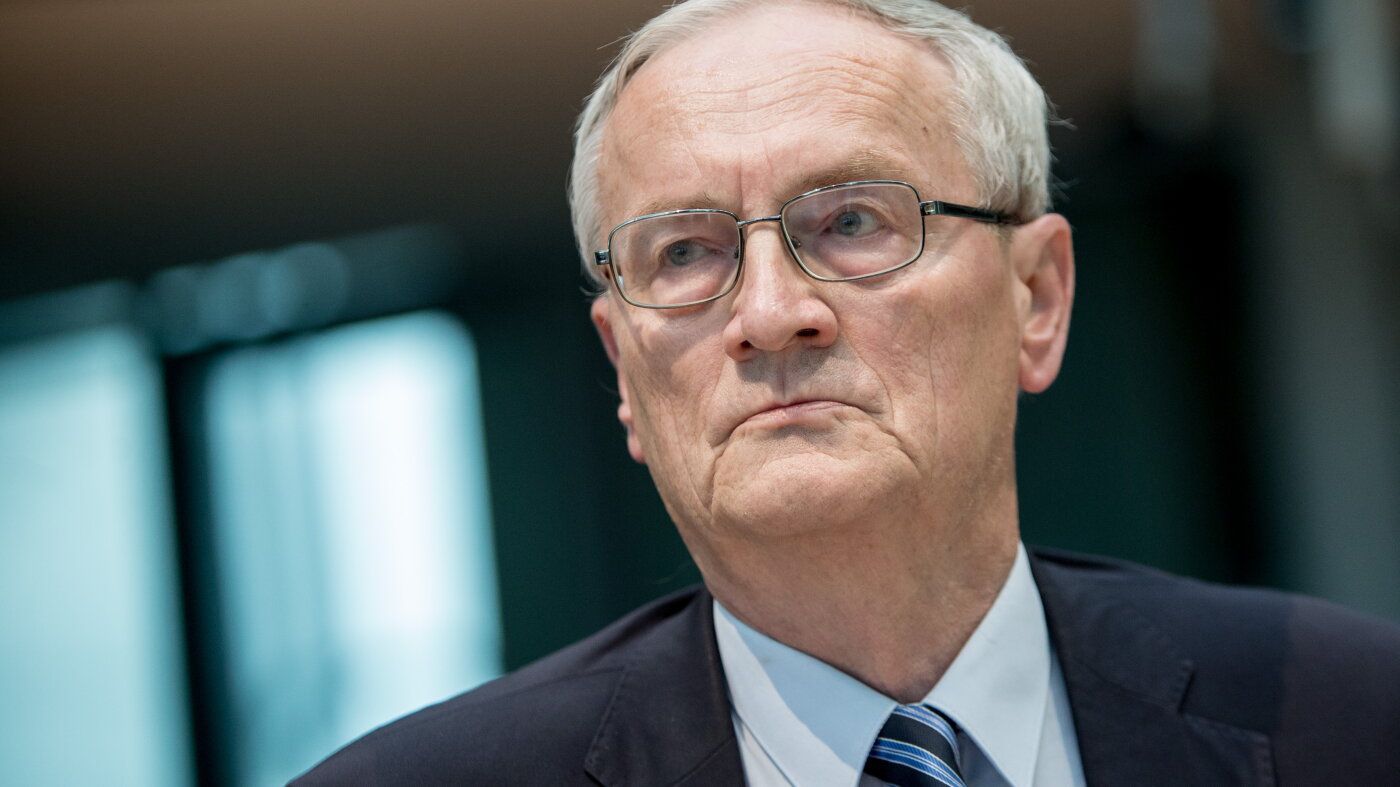
Photo: NPR News

August Hanning, who led Germany's Federal Intelligence Service (BND) from 1998 to 2005 and later worked as a private consultant, was arrested at his home on suspicion of espionage, treason, and obtaining classified information for a foreign power. The federal prosecutor's office stated that Hanning is strongly suspected of treasonous espionage, spying out state secrets, attempted treason, and espionage. Investigations revealed that over several years, Hanning was in close contact with a representative of another foreign intelligence service, to whom he passed political information, partially based on material provided by an individual named Manfred D. Manfred D reportedly supplied Hanning with approximately 2,000 documents, many containing classified information intended solely for internal BND use. Additionally, Hanning and a retired official from the Hamburg State Criminal Police Office are suspected of accepting a contract in 2022 from Christina Block to abduct her children amid a longstanding custody dispute. The Hamburg public prosecutor's office has accused Block of orchestrating the kidnapping of her two youngest children in 2023.

Sourcesnpr.orgbbc.co.ukmotherjones.com

The takes

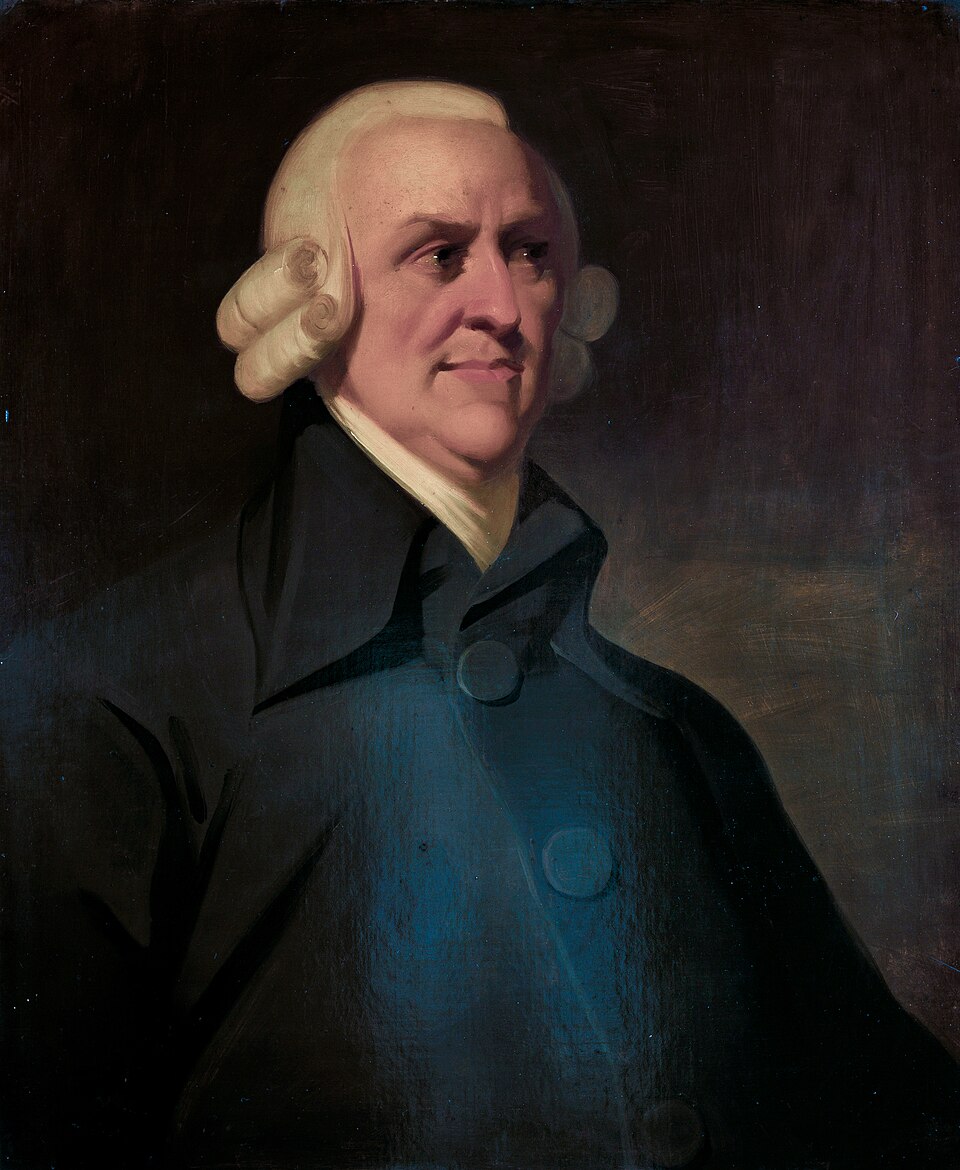
  • Portrait of Adam Smith

    Adam Smith

    1723–1790, Scotland (the Scottish Enlightenment: Kirkcaldy, Glasgow, Edinburgh)

    When the Guardian of Secrets Sells Them

    A former intelligence chief suspected of trading state secrets and moonlighting in child abduction shows how the corruption of justice corrodes both security and opulence from within.

    The spectacle is a startling one: a man who once presided over a nation’s intelligence service, now arrested at his home, strongly suspected of treasonous espionage, spying out state secrets, and attempting to pass them to a foreign power. We are told he received some two thousand documents, many fit only for the internal use of that service, and for years maintained close contact with a representative of another intelligence agency, to whom he is said to have passed political information. It is not yet known whether the material reached its intended recipient. But even this uncertainty does little to soften the moral impression, for the danger lay not merely in what was done, but in what he stood ready to do.

    Read the essay


  • Portrait of John Locke

    John Locke

    1632–1704, England (writing amid the Exclusion Crisis and the Glorious Revolution)

    When the Spy Becomes the Traitor, the State Trembles at Its Core

    Allegations that a former intelligence chief sold secrets and joined a private kidnapping plot expose how swiftly power held on trust can turn into usurpation against the very people it was meant to protect.

    I begin with the bare facts as they are reported, for a physician must first look at the symptoms before pronouncing on the disease. A former head of the Federal Intelligence Service in Germany, who once directed that secret power from 1998 to 2005, has now been arrested. Prosecutors say he is strongly suspected of treasonous espionage, spying out state secrets, attempted treason, and espionage, allegedly passing political information, partly based on thousands of classified documents, to a representative of another foreign intelligence service over several years. In a separate matter, he is suspected of having accepted a private contract to abduct children in the midst of a family custody dispute, while serving as an executive of a security firm. If true, these are grave symptoms indeed.

    Read the essay
  • Portrait of Niccolò Machiavelli

    Niccolò Machiavelli

    1469–1527, Florence (republican secretary and diplomat, then exile, amid the Italian Wars)

    When the Spy Becomes the Risk, Not the Shield

    The arrest of a former intelligence chief on suspicion of treason exposes not only one man’s corruption but the naivety of institutions that forgot all men are bad when they have free field.

    The spectacle is already damning: a man who once led a state’s intelligence service, later a private consultant, now arrested at home and “strongly suspected of treasonous espionage, spying out state secrets, attempted treason, and espionage.” I always begin from the effectual truth, not from homilies. The prosecutors say that for years he stayed in close contact with a representative of another foreign service, receiving some 2,000 internal BND documents from an associate and passing on political information based partly on this material. They do not yet know whether the secrets reached their intended recipient. But from a republican point of view, the damage begins the moment a guardian of the walls starts opening side doors.

    Read the essay