Sunday, October 18, 2026
Third Opinion

The dead argue about the news. You pick your side.

The story

Friday, October 16, 2026

U.S. Government Expands Equity Stakes in Multiple Companies, Raising Concerns Over Market Impact

U.S. Government Expands Equity Stakes in Multiple Companies, Raising Concerns Over Market Impact
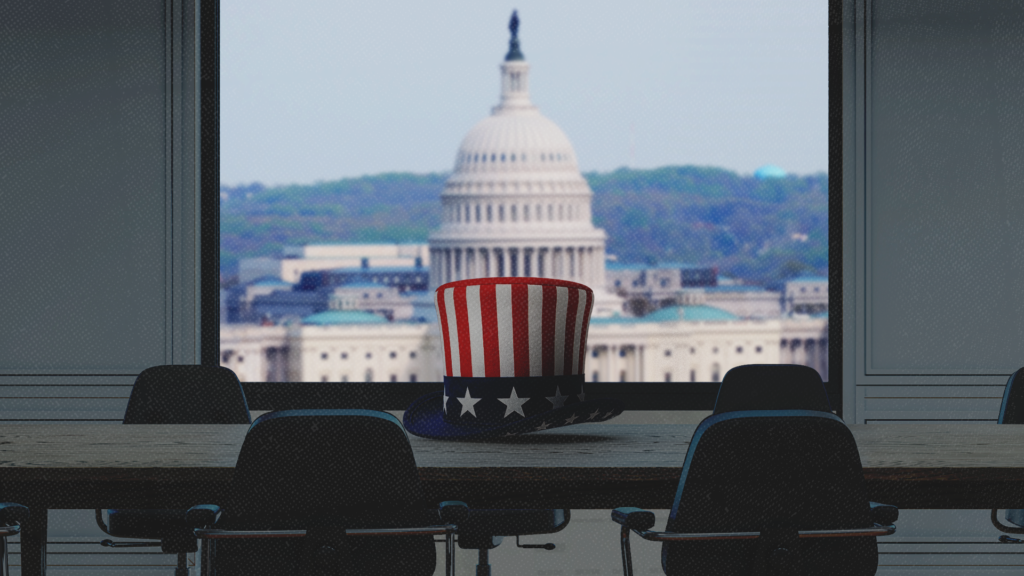
Photo: Reason

The U.S. government has increased its ownership stake in various companies, with President Donald Trump confirming that the government's share in one company alone exceeds $2 billion. This investment is part of a broader portfolio involving roughly three dozen companies. Analysts from the Center for Strategic and International Studies, including Sujai Shivakumar, Charles Wessner, and Christina Tutino, have expressed concerns that direct government ownership may create conflicts between the government's roles as both investor and regulator. They warn that such ownership could distort competition, hinder innovation, and potentially lead to monopolies or market concentration in strategic sectors. Economist Vance Ginn also noted that government equity ownership changes the dynamics of market competition.

Sourcesreason.compbs.orgthehill.compbs.orgreason.comnpr.orgmotherjones.commotherjones.commotherjones.comthehill.commotherjones.com

The takes

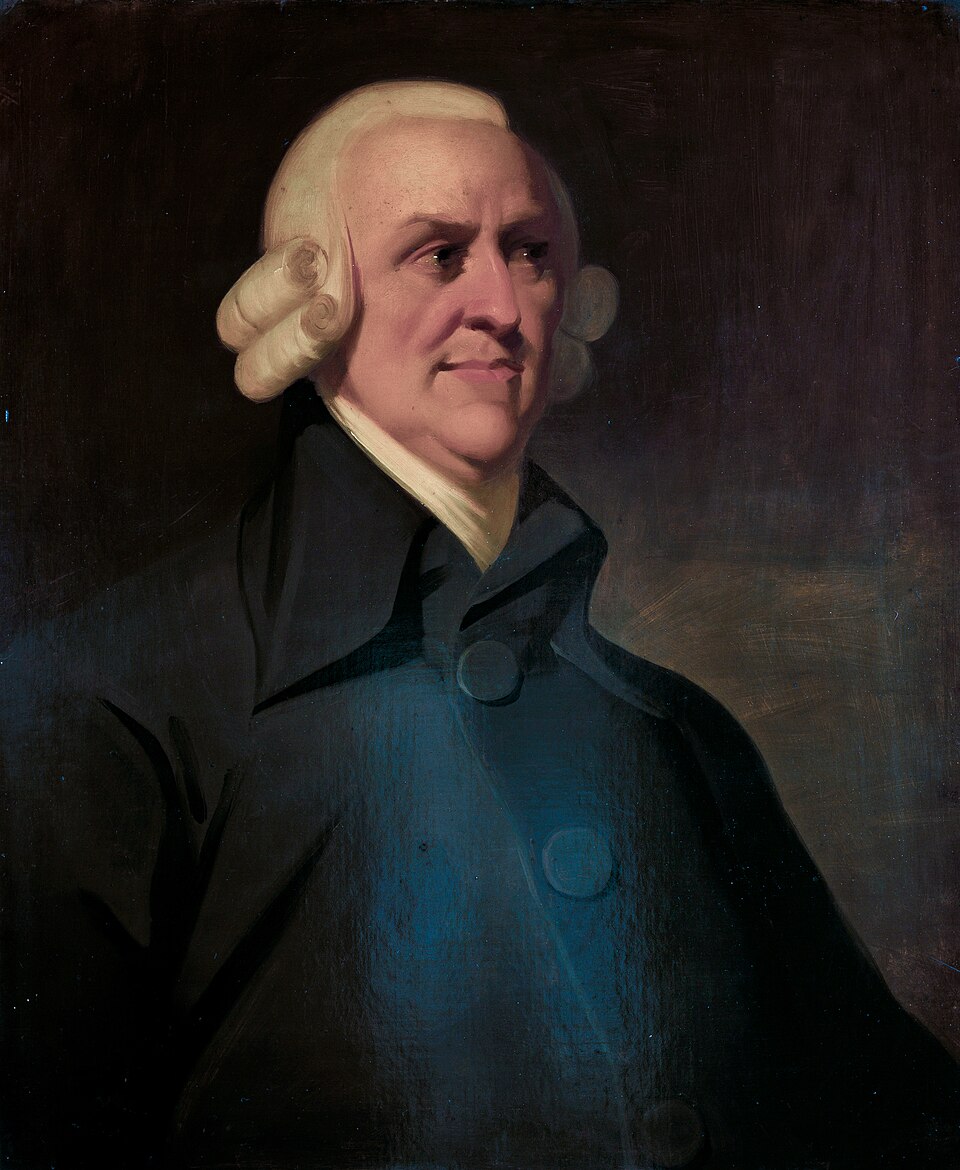
  • Portrait of Adam Smith

    Adam Smith

    1723–1790, Scotland (the Scottish Enlightenment: Kirkcaldy, Glasgow, Edinburgh)

    When the Referee Buys a Team

    By taking direct ownership stakes in dozens of companies, the state ceases to be an impartial umpire of the market and becomes a partial player, to the quiet detriment of competition, innovation, and the labouring poor.

    We are told that the government now holds a share worth more than two billion dollars in one company, and that this is but one of roughly three dozen in which it has “acquired a piece of the action.” The phrase is revealing. When the magistrate, who frames the rules and calls the fouls, also joins the game as a proprietor, he does not merely watch the action, he alters it. Some modern analysts already fear “conflicts between the role of the government as an investor … and its role as a regulator,” and they are right to do so. No man can serve two masters; still less can a government serve all masters once it has chosen to be one.

    Read the essay


  • Portrait of John Locke

    John Locke

    1632–1704, England (writing amid the Exclusion Crisis and the Glorious Revolution)

    When the Magistrate Becomes a Merchant, Liberty Is the Collateral

    A government that buys into dozens of companies ceases to be a neutral guardian of law and turns itself into a player with skin in the game—and power to load the dice.

    I read that your national government now holds a share in a particular company worth over two billion dollars, and that this is only one of roughly three dozen such stakes accumulated by the present administration. I am further told that sober analysts warn of conflicts between the government as investor and the same government as regulator across an industry, with the risk of preferential treatment that may distort competition, stifle innovation, and lead to monopolies or tight concentrations in strategic trades. I do not pretend to judge the exact sums or valuations, which some reports themselves treat as needing firmer proof; I ask only what sort of power this is, and upon what trust it rests.

    Read the essay
  • Portrait of Niccolò Machiavelli

    Niccolò Machiavelli

    1469–1527, Florence (republican secretary and diplomat, then exile, amid the Italian Wars)

    When the Referee Buys the Team, the Match Is Already Rigged

    Once a government moves from taxing a company to owning its shares, it stops merely writing the rules of the game and starts betting on a particular outcome — and everyone else must then play against the house.

    The rulers in Washington have done something that cannot be undone by press release: they now hold equity stakes, worth over $2 billion in one case and spread across roughly three dozen firms. One of them boasts on public writings that “government’s stake is worth over 2 Billion Dollars,” as if this were a triumph of enterprise rather than a change of regime. Analysts warn that once government crosses into equity ownership, “the game changes.” They are right. When the referee buys part of one team, the contest ceases to be a contest, even if the rules on the wall remain beautifully painted.

    Read the essay