
Sunday, October 18, 2026
Third Opinion

The dead argue about the news. You pick your side.

The story

Sunday, October 18, 2026

French police arrest nearly 1,800 amid nationwide protests and clashes

French police arrest nearly 1,800 amid nationwide protests and clashes
Photo: Al Jazeera

French Interior Minister Laurent Nuñez reported that nearly 1,800 people were arrested during nationwide protests, with almost half of the arrests occurring in Paris. The demonstrations, which involved hundreds of thousands of participants, included violent clashes and looting. More than 500 police officers, gendarmes, and firefighters were injured during the unrest. Nuñez acknowledged the right to demonstrate but noted that several thousand far-left individuals committed acts targeting public buildings and confronting police. The police inspectorate, IGPN, has opened 36 investigations into alleged police violence since the protests began. Residents described the situation as alarming, with reports of groups causing extensive property damage with little intervention.

Sourcesaljazeera.combbc.co.ukthehill.comnpr.orgaljazeera.com

The takes

  • Portrait of Adam Smith

    Adam Smith

    1723–1790, Scotland (the Scottish Enlightenment: Kirkcaldy, Glasgow, Edinburgh)

    France’s Broken Shopfronts and the Price of Disorder

    The smashed glass of Paris is not only a moral failure but an economic tax, quietly levied on the very people in whose name the violence is excused.

    A Sunday morning street of burnt-out cars, shattered windows, and a restaurant’s interior wrecked is a kind of ledger, though not one kept by any book-keeper. In France’s latest unrest, police arrested some 1,800 people; more than 500 police officers, gendarmes, and firefighters were injured; around 1,500 shops and retailers, we are told, were damaged. The nation’s interior ministry insists that demonstration is a fundamental right, yet speaks also of “outrages” by several thousand determined to attack public buildings and confront the police. The figures are striking, but the more important account is not numerical. It asks who ultimately pays for every broken pane and abandoned shift and fearful walk home.

    Read the essay

  • Portrait of John Locke

    John Locke

    1632–1704, England (writing amid the Exclusion Crisis and the Glorious Revolution)

    France’s Streets Are Not a State of Nature

    Peaceful protest in France is a rightful check on power, but looting, arson, and unreviewed force from the magistrate alike stray from the law of nature that gives any government its title to obedience.

    I begin not with abstract maxims, but with the broken glass and burnt-out cars on France’s streets. We are told that hundreds of thousands assembled in nationwide demonstrations; that nearly 1,800 persons were arrested, almost half in Paris; that more than 500 police officers, gendarmes, and firefighters were injured; that around 1,500 shops and retailers were damaged, some looted, some burned. We are further told that the Interior Minister himself acknowledges demonstrating to be a “fundamental right,” even while he speaks of “outrages” by several thousand determined to confront the police and attack public buildings. Here are, in short, a people expressing grievances, and amidst them others treating civil society as spoil.

    Read the essay
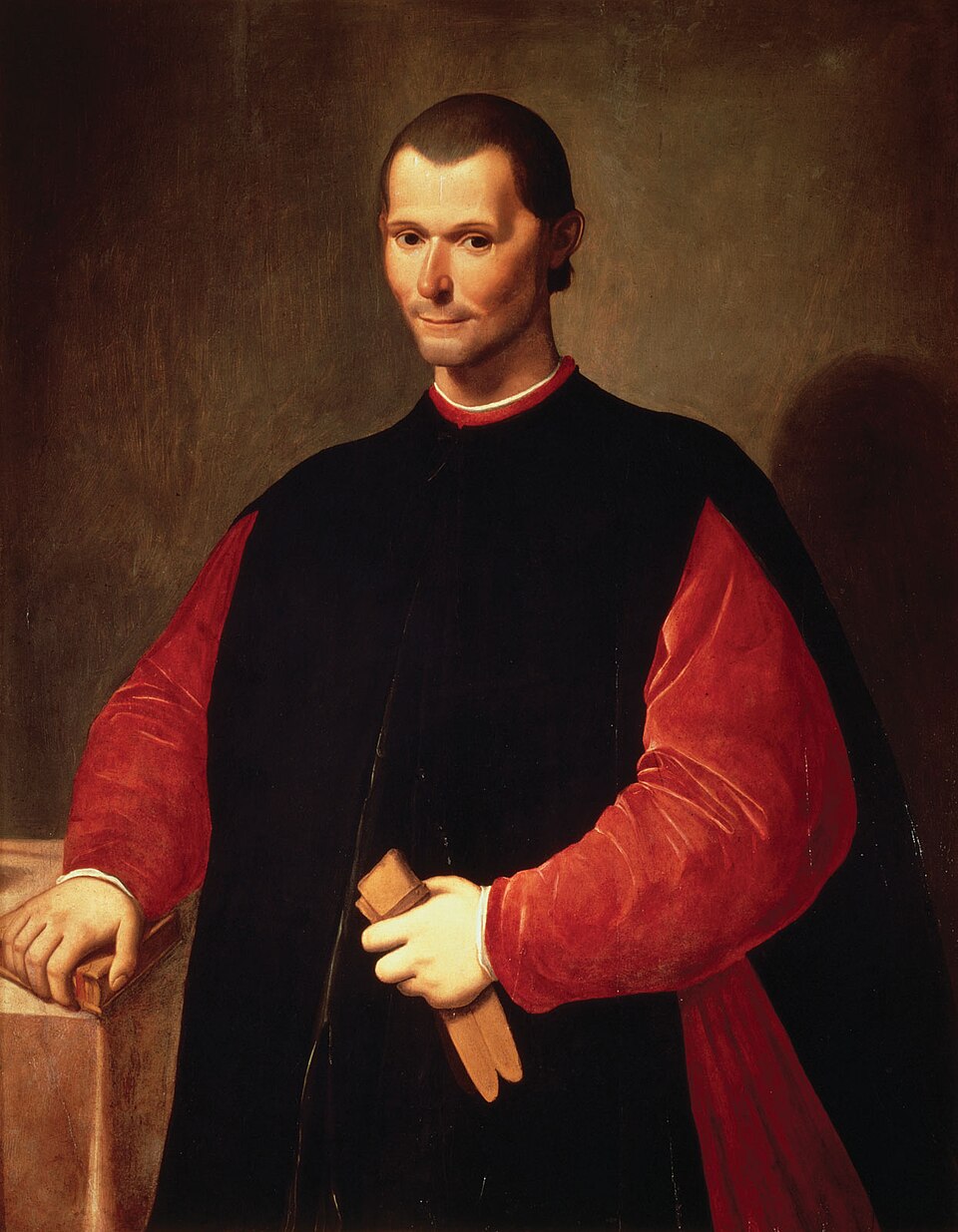
  • Portrait of Niccolò Machiavelli

    Niccolò Machiavelli

    1469–1527, Florence (republican secretary and diplomat, then exile, amid the Italian Wars)

    France’s Riots Show What Happens When Tumult Loses Its Institutions

    When protests turn to looting and arson, the state has already failed once; how it now uses force will decide whether it fails twice.

    Burnt-out cars, shattered shopfronts, a restaurant gutted, a tourist office in flames, at least 1,800 arrests and more than 500 injured among police, gendarmes and firefighters: this is not politics, it is a breakdown. I begin always from the effectual truth. When residents say it is “terrifying” to see groups of young people “smashing everything, with total impunity,” the key words for a statesman are not “terrifying” or “young,” but “everything” and “impunity.” Where many feel that no one restrains violence, power is already in question, no matter how many ministers repeat that demonstrating is a fundamental right.

    Read the essay