
Tuesday, November 10, 2026
Third Opinion

The dead argue about the news. You pick your side.

The story

Tuesday, October 20, 2026

Drone Strikes in Sudanese Markets Result in Over 200 Deaths Amid Ongoing Conflict

Drone Strikes in Sudanese Markets Result in Over 200 Deaths Amid Ongoing Conflict
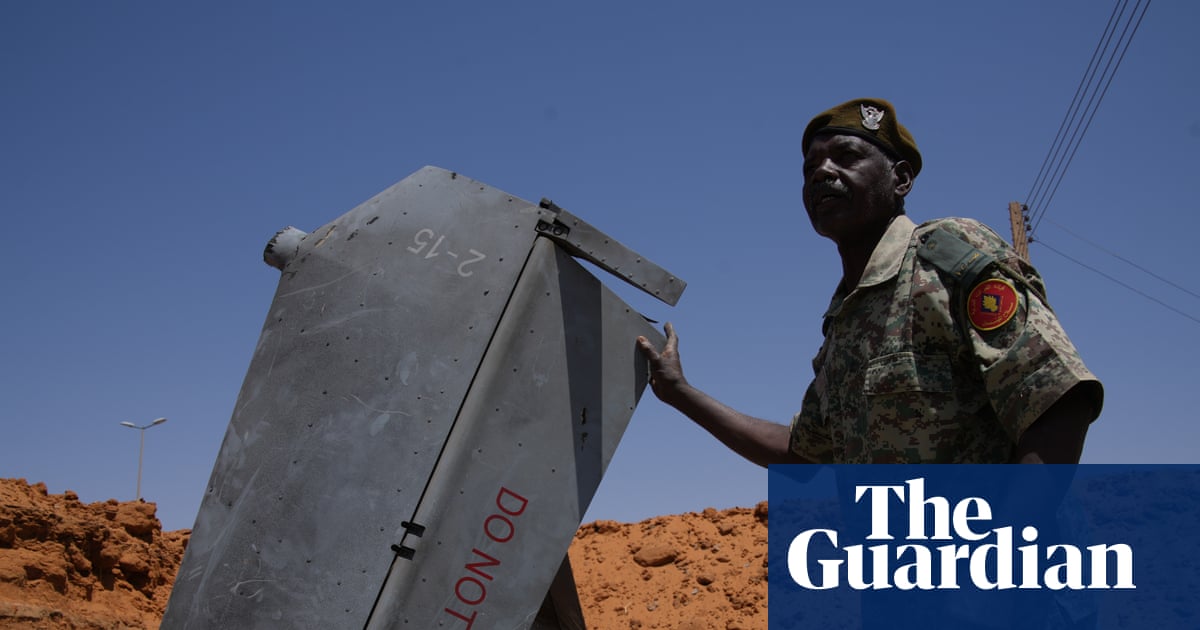
Photo: The Guardian World

Multiple drone attacks have targeted busy markets in Sudan, resulting in significant casualties amid the ongoing conflict between the Sudanese Armed Forces (SAF) and the Rapid Support Forces (RSF). On Friday, drone strikes hit a livestock market in Nyala, South Darfur's capital, where the SAF claimed to have killed RSF fighters, while the RSF reported 30 civilian deaths. Earlier, in Abyei, a disputed border area between Sudan and South Sudan, drones struck a market on Monday, killing 73 people according to the region's information minister. Additionally, a medic reported that 80 people were killed in a drone strike on al-Dibab, with a subsequent strike injuring four individuals in al-Mujlad. These attacks are among the deadliest single strikes since the conflict began in April 2023, following a power struggle between SAF, led by Gen Abdel Fattah al-Burhan, and RSF, led by Mohamed Hamdan Dagalo.

Sourcestheguardian.combbc.co.uktheguardian.compbs.orgaljazeera.compbs.org

The takes

  • Portrait of Adam Smith

    Adam Smith

    1723–1790, Scotland (the Scottish Enlightenment: Kirkcaldy, Glasgow, Edinburgh)

    Drone Warfare Against Markets Is War on a Nation’s Wealth

    When armed forces bomb livestock markets and transport hubs, they do not merely strike enemies; they shatter the very machinery by which the poor survive.

    A livestock market in Nyala, a market town in Abyei, a transport hub in al‑Dibab where villagers gather after the trading day: these are not fortresses, but the workrooms of a nation’s livelihood. Yet we are told that drones have struck such places, twice in one case within ten minutes, killing scores of people, including mourners travelling by truck to a funeral. The opposing forces each claim the language of military necessity; each accuses the other of ignoring civilian lives. But when the dead are traders, customers, travellers, the impartial spectator does not see a regrettable misfire in some abstract game; he sees a deliberate assault on the ordinary commerce that keeps hunger a little way off.

    Read the essay


  • Portrait of John Locke

    John Locke

    1632–1704, England (writing amid the Exclusion Crisis and the Glorious Revolution)

    Drone War Without Witness Is Not Government But Usurpation

    When armed rulers rain death on markets and mourners, then call it necessary security, they do not govern a people; they wage war upon them, and the people’s allegiance is discharged.

    I begin from the stark reports, because justice must look first at facts before it reasons about titles. In Sudan, we hear that drones, said to be launched by the state’s army, have struck a busy livestock market in Nyala, a market in Abyei, and a transport hub in the town of al‑Dibab. Dozens, perhaps more than two hundred, are reported killed, some as they traded, some as they travelled home after market day, some as they journeyed to a funeral. I note that some particulars remain contested and not yet fully corroborated; but even by the accounts least severe, we are looking upon civilians cut down in places of ordinary, peaceful resort.

    Read the essay
  • Portrait of Niccolò Machiavelli

    Niccolò Machiavelli

    1469–1527, Florence (republican secretary and diplomat, then exile, amid the Italian Wars)

    Sudan’s Drones Show Power Without Prudence

    When an army bombs markets and mourners to beat its rival, it may win the day yet lose the state, because fear can secure obedience but hatred always waits for its hour.

    In Sudan’s war, I see two armed bodies, not one commonwealth. On one side the regular army, on the other a paramilitary force that once grew fat on the old order. Between them: markets, transport hubs, a truck of mourners, all struck from the sky. In one town, witnesses speak of a drone that hits, then returns ten minutes later to hit the same gathering place again. In another, dozens die in a market in a disputed border region. Each side claims it is the defender, each accuses the other of butchery, and the dead lie in spaces that ought to belong to no faction but to the people.

    Read the essay