
Tuesday, November 10, 2026
Third Opinion

The dead argue about the news. You pick your side.

The story

Tuesday, October 20, 2026

Federal Authorities Charge 28 with Voting Crimes in California

Federal Authorities Charge 28 with Voting Crimes in California
Photo: NPR News

On Monday, federal authorities announced charges against 28 individuals in California for allegedly registering to vote as noncitizens, with at least 11 arrests made. The Justice Department stated that 11 foreign nationals were arrested by federal law enforcement. Following these actions, on Tuesday, the federal government provided Los Angeles County election officials with an unverified list of 20,000 individuals it claims are likely noncitizens registered to vote in California.

Sourcesmotherjones.compbs.orgmotherjones.compbs.orgnpr.org

The takes

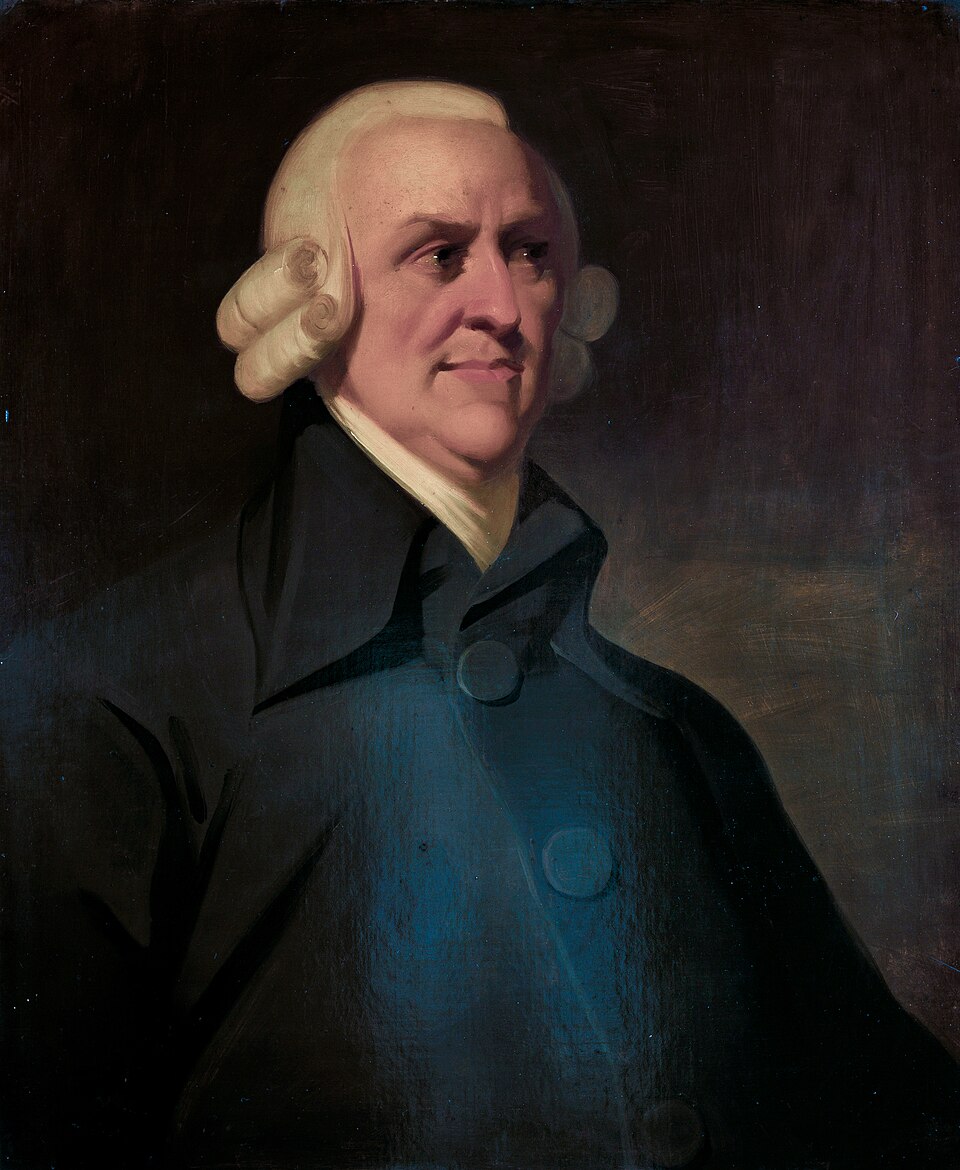
  • Portrait of Adam Smith

    Adam Smith

    1723–1790, Scotland (the Scottish Enlightenment: Kirkcaldy, Glasgow, Edinburgh)

    Voter Raids and the Price of Being Suspected

    Punishing genuine electoral fraud is a duty of justice; converting whole classes of voters into suspects is a luxury of faction, and a very expensive one at that.

    The arrest in California of eleven foreign nationals and charges against twenty‑eight green‑card holders for alleged unlawful voting is, on its face, a simple exercise of a necessary power. In the Wealth of Nations I argued that the sovereign has three great duties: defence, the exact administration of justice, and certain public works which private persons will never profitably provide. To secure elections from fraud falls plainly within the second. If a stranger, not entitled by the laws of the country to share in its political deliberations, thrusts himself into the poll, he is not merely a trespasser upon a formality; he violates that equal compact by which citizens bind and are bound.

    Read the essay
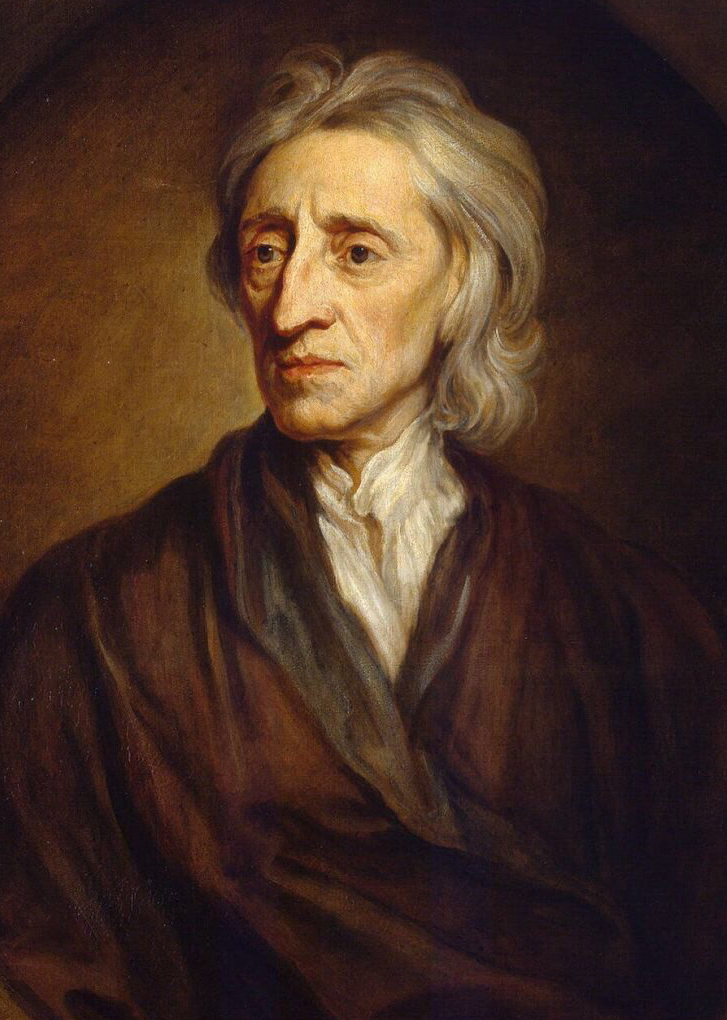
  • Portrait of John Locke

    John Locke

    1632–1704, England (writing amid the Exclusion Crisis and the Glorious Revolution)

    Voter Raids Without Proof Are Not Law but Force

    When a government arrests first and verifies later, it ceases to govern by consent and begins to rule by fear.

    Federal officers have, we are told, arrested at least eleven persons in California and charged twenty‑eight with crimes for allegedly registering to vote as noncitizens. The same authorities have transmitted to local election officials an unverified list of twenty thousand people they claim are “likely noncitizens” on the rolls. All this occurs in the heat of approaching elections, amidst open talk that the national executive means to employ its justice machinery in its own favor. Here we have, compressed in one episode, the perennial question: when the magistrate invokes the purity of elections to seize persons and brand thousands as suspect on an untested list, does he exercise power held on trust, or commit a usurpation under a noble name?

    Read the essay
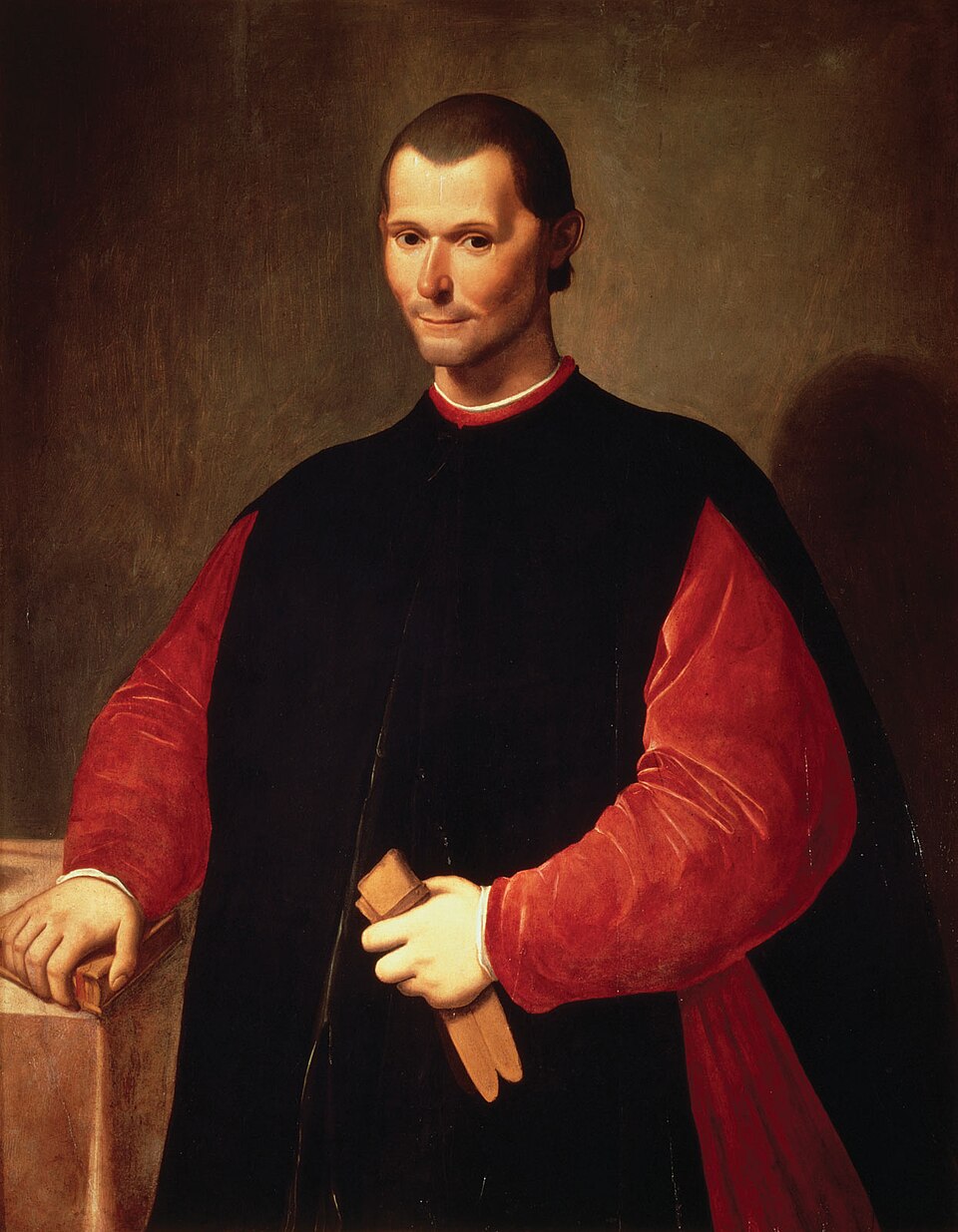
  • Portrait of Niccolò Machiavelli

    Niccolò Machiavelli

    1469–1527, Florence (republican secretary and diplomat, then exile, amid the Italian Wars)

    How to Police the Vote Without Destroying Faith in It

    A state must strike hard against real election crimes, but when it swings blindly at 20,000 names it risks cutting the nerves of republican trust itself.

    The scene is this: federal authorities arrest at least 11 people in California and charge 28, accused of registering or voting as noncitizens. The Justice Department names 11 “foreign nationals.” The operation is dressed in a fine title, “Operation Protect the Vote,” and it unfolds on the road to elections. The next day, the federal government sends officials in Los Angeles County an unverified list of 20,000 people it claims are “likely noncitizens” registered to vote. Here is the effectual truth: the armed hand of the state has entered the arena where the people choose their rulers, and it arrives both with real chains and with a rumor.

    Read the essay