Tuesday, November 10, 2026
Third Opinion

The dead argue about the news. You pick your side.

The story

Tuesday, October 20, 2026

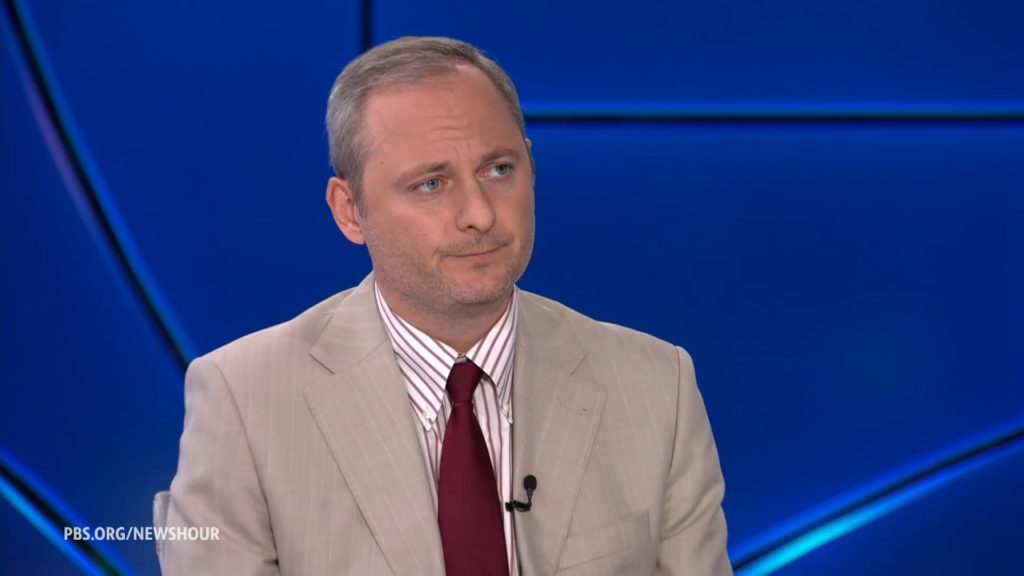
Trump discusses arms control with Putin and Xi amid Ukraine conflict

Trump discusses arms control with Putin and Xi amid Ukraine conflict
Photo: PBS NewsHour

Earlier this month, Russian President Vladimir Putin spoke with U.S. President Donald Trump about the ongoing war. Following their conversation, Trump announced that Russia would supply over 300,000 tons of diesel to the U.S. and other markets, effectively ending American sanctions on Russian diesel exports. Trump also indicated he might meet with Putin and Chinese President Xi Jinping next month to discuss arms control, though he expressed limited interest in discussing Ukraine during these talks. Meanwhile, reports indicate that Russian soldiers are confiscating food from Ukrainians and restricting access to the town for partners and the Red Cross, preventing the delivery of medicine. U.S. officials emphasize the priority of focusing efforts on ending the war.

Sourcesbbc.co.ukpbs.orgthehill.compbs.orgnytimes.comaljazeera.commotherjones.comreason.com

The takes

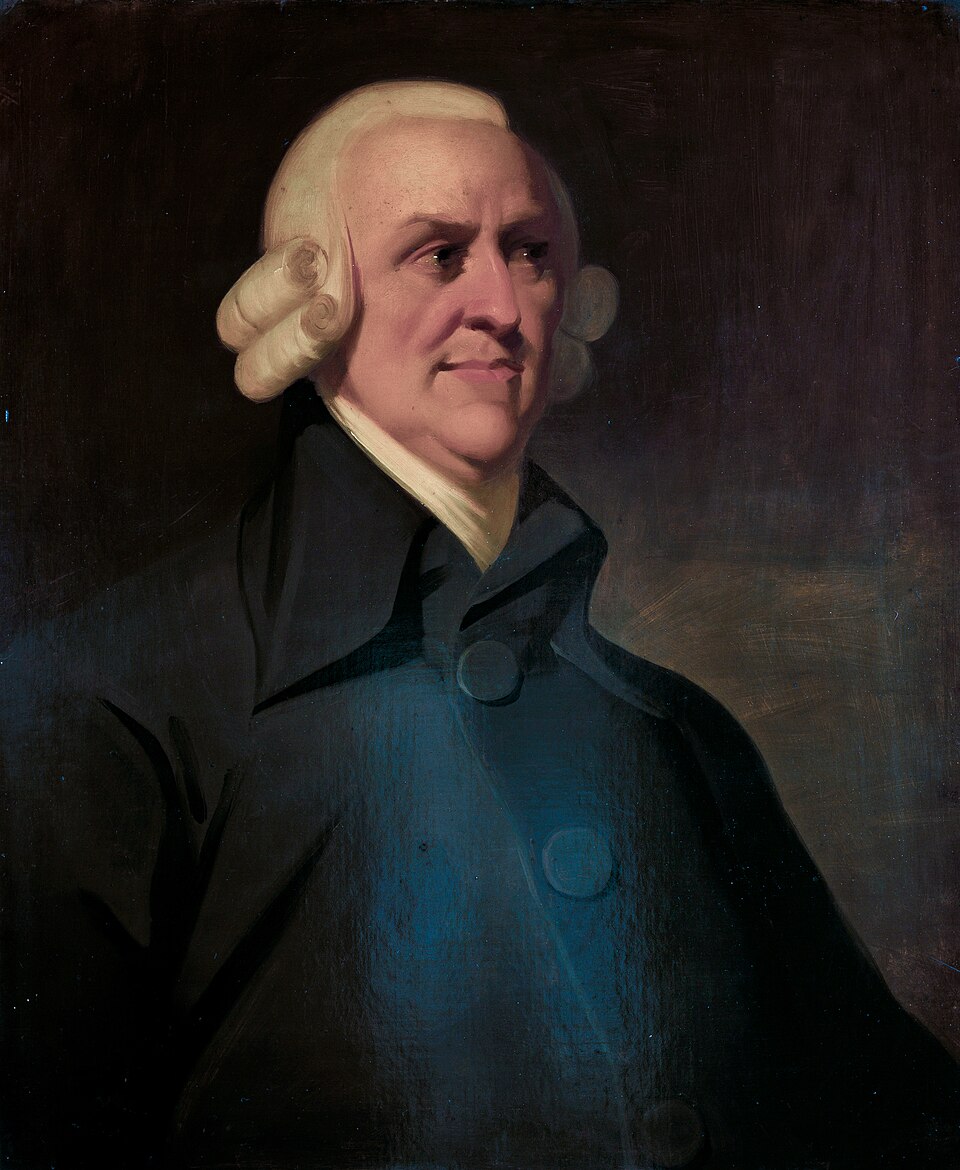
  • Portrait of Adam Smith

    Adam Smith

    1723–1790, Scotland (the Scottish Enlightenment: Kirkcaldy, Glasgow, Edinburgh)

    Cheap Diesel, Dear Justice

    When great powers ease the price of Russian fuel while pinching the defences of Ukraine, they cheapen not only diesel but the currency of their own moral claims.

    The detail is homely enough: more than 300,000 tons of Russian diesel to the United States and other markets, and with it an end to American sanctions on such exports. Yet in this modest article of commerce there is wrapped up the fate of armies and provinces. In my own time I described how the division of labour flourishes only as the market widens; roads and rivers, peace and open trade, knit together distant hands in one cooperative labour. War does the contrary. It tears markets into fragments, turns carriers into soldiers, and converts granaries into magazines. To lubricate a war-maker’s engines with fresh revenue, while his troops are taking food from Ukrainians and excluding even the Red Cross from distressed towns, is to widen the market for violence while narrowing that for peaceful work.

    Read the essay
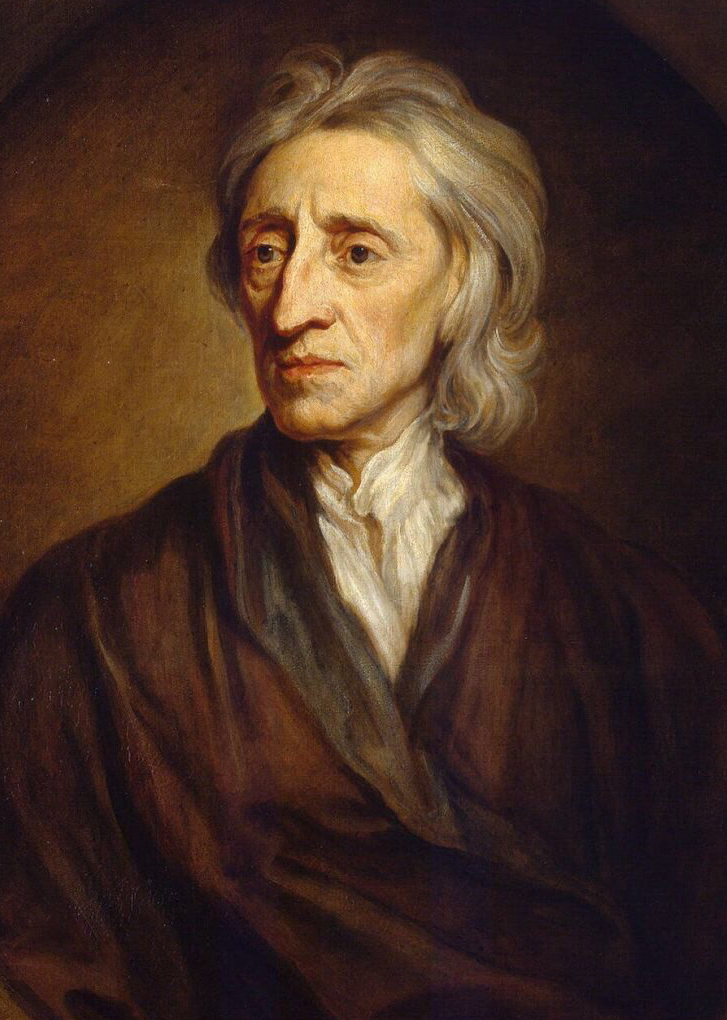
  • Portrait of John Locke

    John Locke

    1632–1704, England (writing amid the Exclusion Crisis and the Glorious Revolution)

    When Foreign Policy Becomes Usurpation

    A president who eases pressure on an aggressor while squeezing its victim does not exercise legitimate prerogative, but breaks the very trust on which political power rests.

    I begin with the stark image that your own reporters set before me: Russian soldiers, we are told, are taking food from Ukrainians and denying access to partners and to the Red Cross, so that medicine cannot enter a besieged town. Here is naked force, harming life, health, liberty, and possessions, with no pretense of right. Over against this stands a Ukrainian government seeking intelligence, communication tools, and ordinary means of defense, and a president of the United States who, instead of plainly siding with the injured, removes sanctions from the aggressor’s diesel exports and publicly increases the pressure on the victim. The contrast here is not subtle; it is moral daylight.

    Read the essay
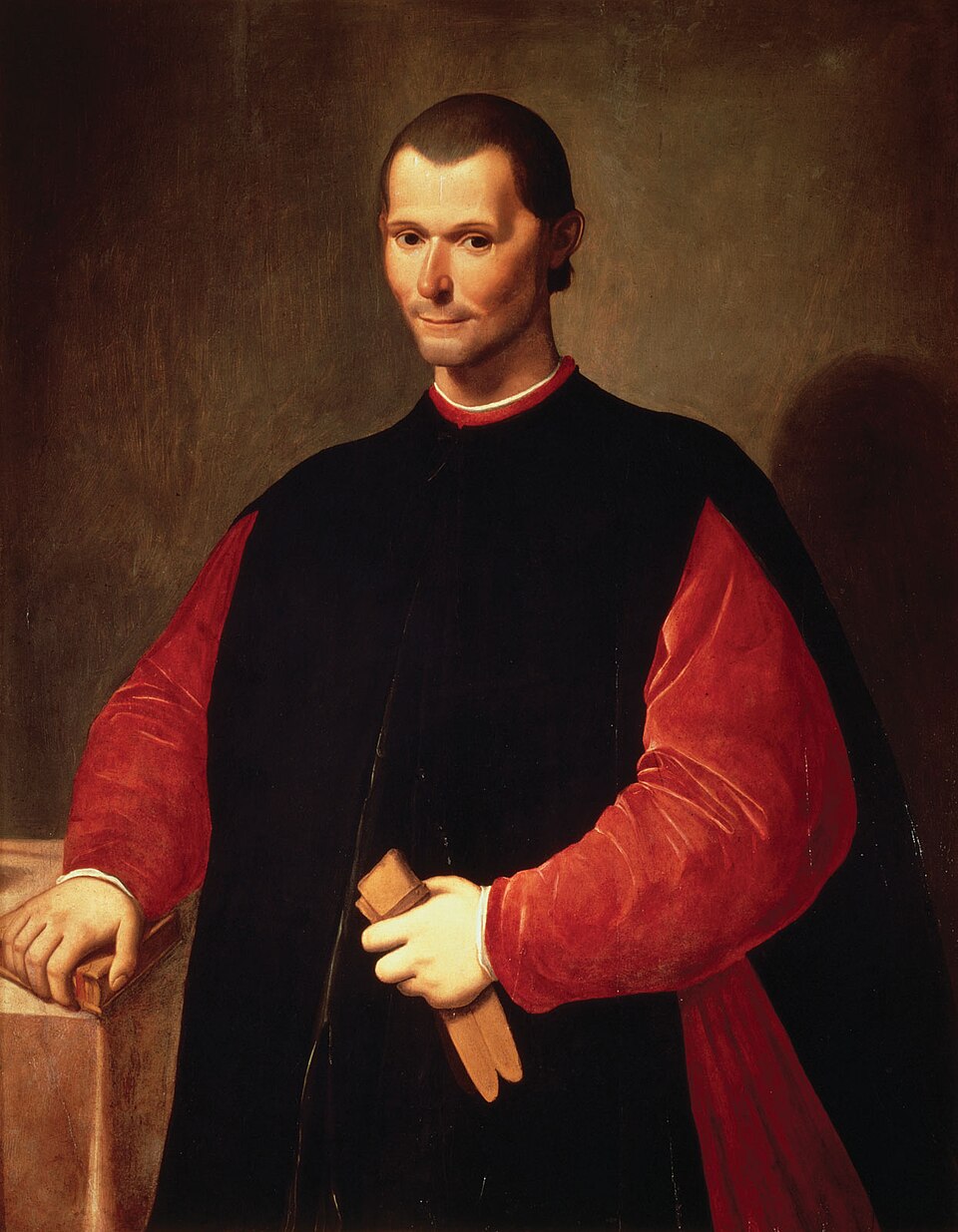
  • Portrait of Niccolò Machiavelli

    Niccolò Machiavelli

    1469–1527, Florence (republican secretary and diplomat, then exile, amid the Italian Wars)

    A War, Three Princes, and the Deadly Folly of the Middle Course

    By easing pressure on Moscow while berating Kyiv, the American prince mistakes his own survival calculus and teaches his enemies that he fears domestic storms more than foreign defeats.

    The scene is this: Russian soldiers strip food from Ukrainians and bar even the Red Cross from bringing medicine, while missiles still fly. The Ukrainian leader runs from front to chancelleries, now in Oslo, asking Norwegians, Finns, Americans, Europeans for talks and for what he politely calls “early warnings.” At the same time, the American president speaks with the Russian, lifts sanctions on Russian diesel, and boasts that hundreds of thousands of tons will now flow to his markets. Then he muses about meeting the Russian and the Chinese to discuss arms control, saying of adding Ukraine to the table: he would do it, but “not so much for Ukraine.” When words and deeds diverge, I trust the deeds.

    Read the essay