
Tuesday, November 10, 2026
Third Opinion

The dead argue about the news. You pick your side.

The story

Sunday, October 25, 2026

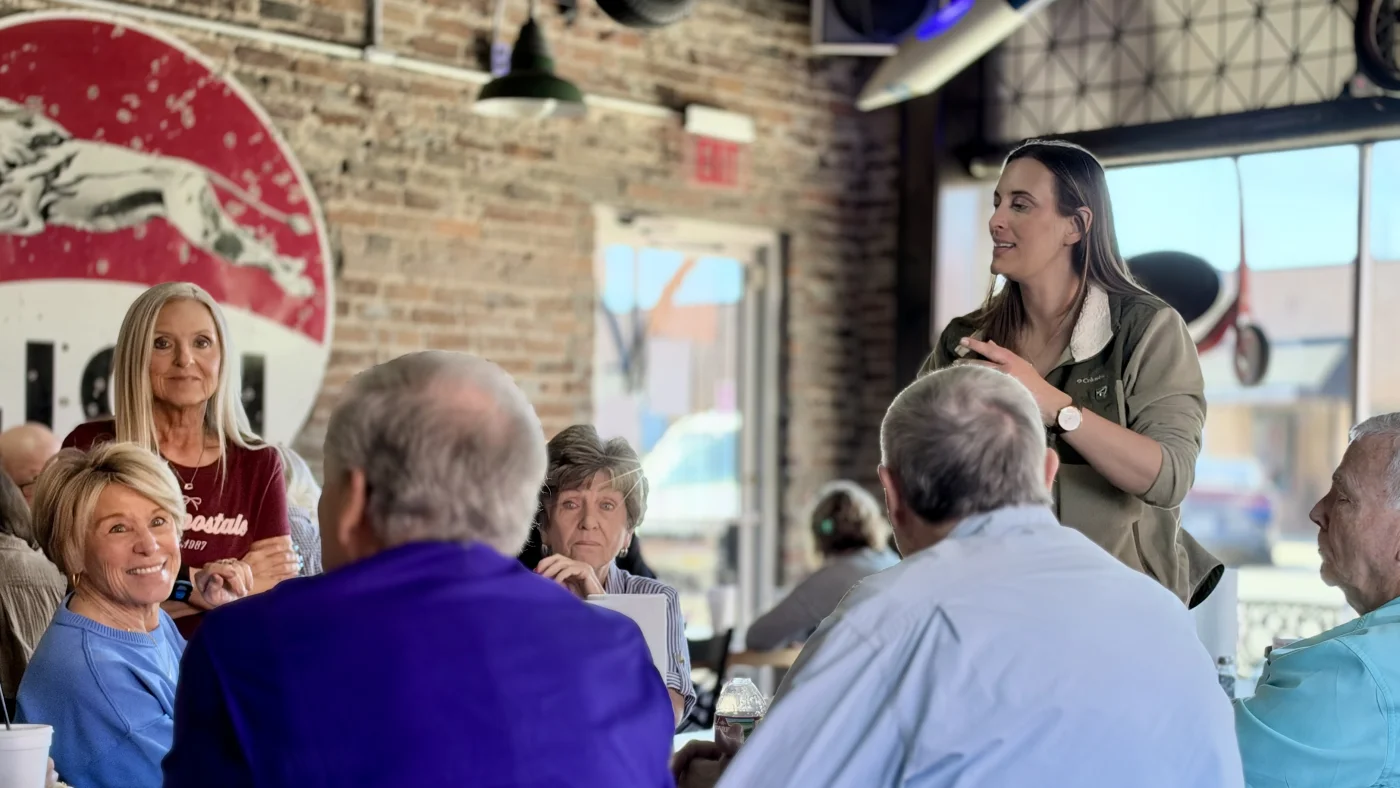
Arkansas Democrats Campaign Amid Trump Administration Unpopularity and Economic Concerns

Arkansas Democrats Campaign Amid Trump Administration Unpopularity and Economic Concerns
Photo: NPR News

In the final days of the 2026 midterm election, Arkansas Democrats, including Shoffner, are actively campaigning across the state. Their message aims to leverage the unpopularity of the Trump administration, ongoing high prices, and general anti-incumbency sentiments. Despite these efforts, Arkansas remains one of the most conservative states in the U.S., with nearly two-thirds of voters having supported President Trump in 2024 and the Republican Senator.

Sourcesnpr.orgpbs.orgmotherjones.comnpr.orgmotherjones.com

The takes

  • Portrait of Adam Smith

    Adam Smith

    1723–1790, Scotland (the Scottish Enlightenment: Kirkcaldy, Glasgow, Edinburgh)

    Midterms, High Prices, and the Invisible Tax on the Poor

    When campaigns trade in outrage while prices rise, the loudest contest is for power, but the quiet winner is whoever can shift the bill onto the labouring poor.

    In Arkansas, I am told, candidates now hurry from town to town with a message built on three notes: the unpopularity of an administration, stubbornly high prices, and a general ill-humour toward incumbents. In the northern states, a former president tours the cities accusing his opponents of cruelty and indecency, hoping thus to move the affections of the wavering spectator. Each side denounces the other’s morals; each promises relief to the common citizen. Yet the prices in the market, not the phrases on the platform, tell us who is in fact relieved and who is only invited to applaud. Elections may change the placards; they do not of themselves cheapen bread.

    Read the essay

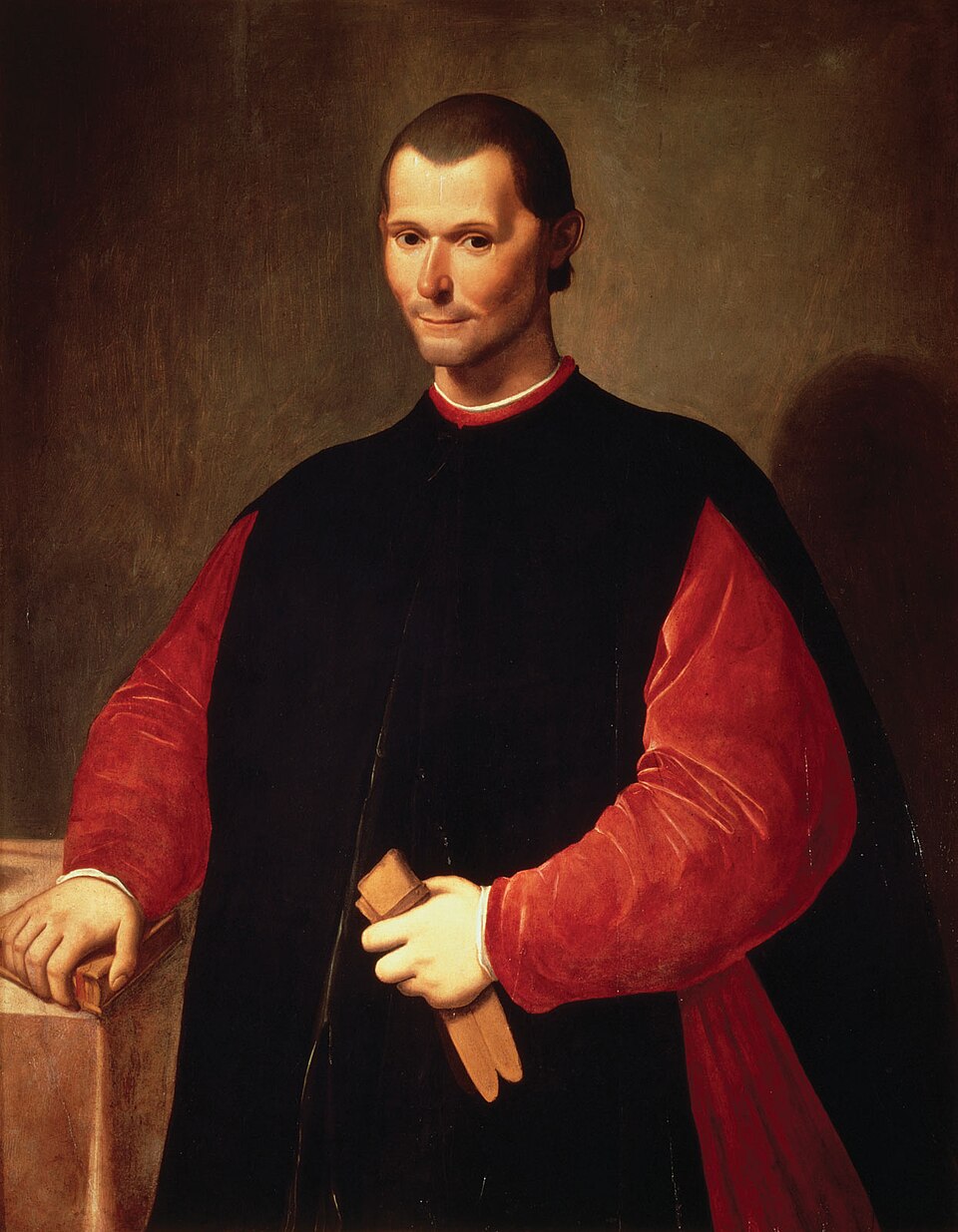
  • Portrait of John Locke

    John Locke

    1632–1704, England (writing amid the Exclusion Crisis and the Glorious Revolution)

    Elections Are Not Loyalty Oaths

    In Arkansas’s midterm contest, the only question worth asking is whether those who govern still hold power on trust for the people’s lives, liberties, and estates — and the ballot is the people’s lawful verdict on that trust.

    I begin with what is visible even from afar: in Arkansas, a place said to be strongly attached to the present chief magistrate and his allies, there is yet a stir of discontent. I read that the administration is unpopular with many, that prices remain stubbornly high, and that candidates crisscross the state seeking to turn this unease into votes. At the same time, a former president travels the Midwest accusing the present rulers and their friends of “cruelty” and “indecency.” I do not know the whole train of actions behind these words. But the shape of the dispute is familiar: are those entrusted with power keeping that trust, or abusing it?

    Read the essay
  • Portrait of Niccolò Machiavelli

    Niccolò Machiavelli

    1469–1527, Florence (republican secretary and diplomat, then exile, amid the Italian Wars)

    In Arkansas and the Midwest, Two Very Different Wars for the Same Power

    One side bets on outrage and moral language, the other on local identity and broken promises; both are really fighting over the appetites and habits that keep a state in one party’s hands or place it within reach of another.

    I begin where the struggle is hardest, not where the speeches are prettiest. In Arkansas, Democrats work a field that has long belonged to others: nearly two out of three voters backed the sitting president there in 2024, the Senate race is called “Solid Republican,” and even the 2nd Congressional District is judged only “Likely Republican.” These words are the modern way of saying what every Florentine knew: the great in that province are entrenched, the offices filled, the favors already distributed. To walk into such a country and say, “Now it is our turn,” is not hope; it is a wager against habit, and habit is the most stubborn of tyrants.

    Read the essay