Tuesday, November 10, 2026
Third Opinion

The dead argue about the news. You pick your side.

The story

Sunday, October 25, 2026

Thousands protest across Europe with arrests and increased security measures

Thousands protest across Europe with arrests and increased security measures
Photo: BBC World

On Saturday, hundreds of thousands of people participated in protests across France, resulting in more than 1,300 arrests, according to officials. In Paris, 142 people were arrested, which is less than half the number arrested on the same day the previous week. French Interior Minister Laurent Nuñez reported that several thousand radical activists, including around 500 identified rioters, gathered at the rear of the march. In response to recent violent protests, Italian Premier Giorgia Meloni announced new measures, including deploying an additional 500 soldiers to Milan and imposing tougher penalties for minors, who police said constituted a large portion of the violent protesters last week. These developments reflect ongoing unrest and government responses in multiple European cities.

Sourcespbs.orgbbc.co.ukpbs.orgpbs.orgaljazeera.com

The takes

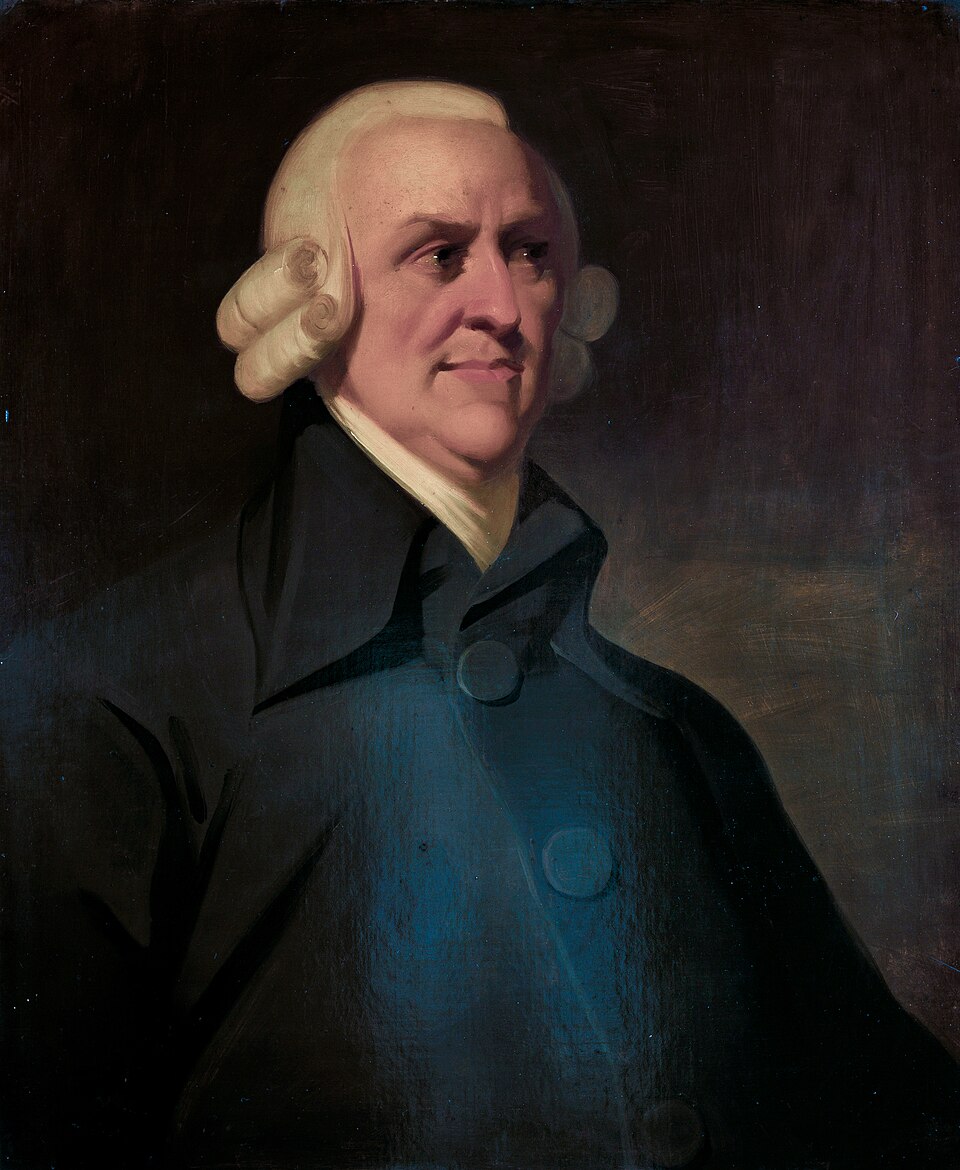
  • Portrait of Adam Smith

    Adam Smith

    1723–1790, Scotland (the Scottish Enlightenment: Kirkcaldy, Glasgow, Edinburgh)

    Bayonets in the Shopping District

    When soldiers guard Milan and thousands are arrested in Paris, the true damage is counted not in broken windows but in the quiet shrinking of the common market for ordinary life.

    Soldiers in the centre of Milan, luxury boutiques boarded up, thousands of young people marching; hundreds of thousands in France, protesting the cost of living and poor school conditions; more than 1,300 arrests in a single day, and many more before. One does not require much imagination to discern that something in the ordinary course of life has gone awry. When I wrote that the wealth of a nation is the annual produce of its land and labour as consumed by the people, I had in mind, above all, the labouring poor. When the streets where they ought to buy, sell, and work become parade grounds for troops, it is a sign that opulence has ceased to feel natural and begun to feel unjust.

    Read the essay
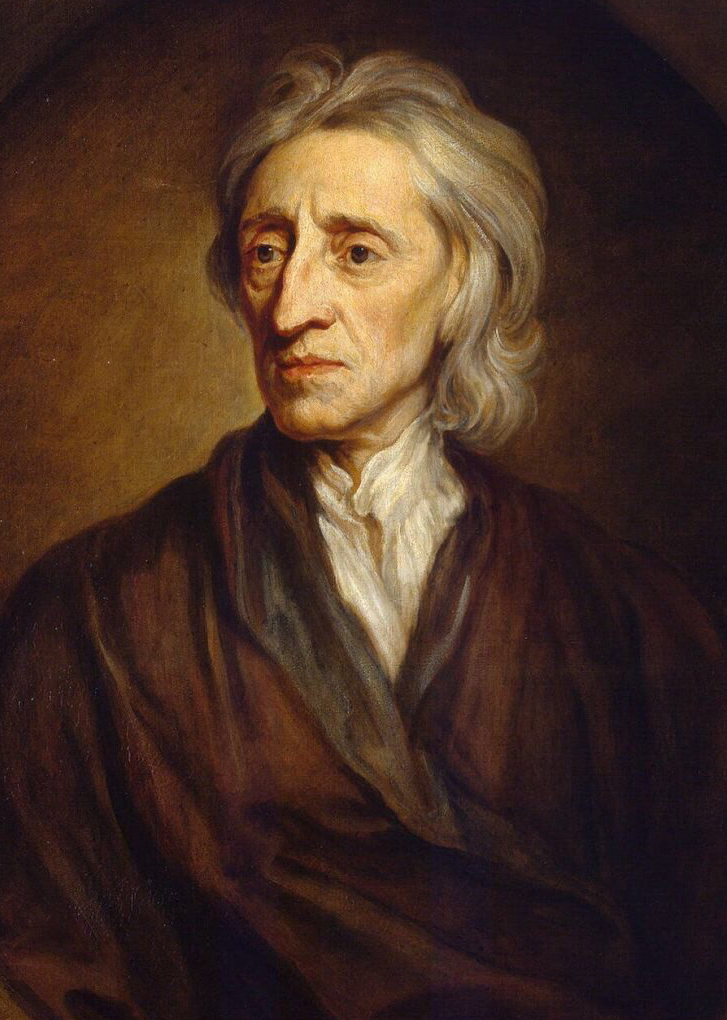
  • Portrait of John Locke

    John Locke

    1632–1704, England (writing amid the Exclusion Crisis and the Glorious Revolution)

    When Governments Turn Protest into a Crime Scene

    Sending soldiers into the streets and sweeping up thousands of citizens may quiet a march for a day, but it also dissolves the very trust on which political power rests.

    I begin from what is reported, and from that only. In France, hundreds of thousands, I am told, marched over the cost of living and poor school conditions. More than 70,000 police were deployed; more than 1,300 people were arrested, with charges that several thousand “radical activists” and hundreds of “rioters” mingled with the crowd, and with scenes of officers charging protesters. In Italy, thousands of young people marched in Milan; the government sent 500 soldiers to the city’s centre, boarded luxury shops, and announced tougher penalties for minors, whom police say made up a large part of recent violence. These are the bare facts; yet even so scant a record already raises the old question: what is government for?

    Read the essay
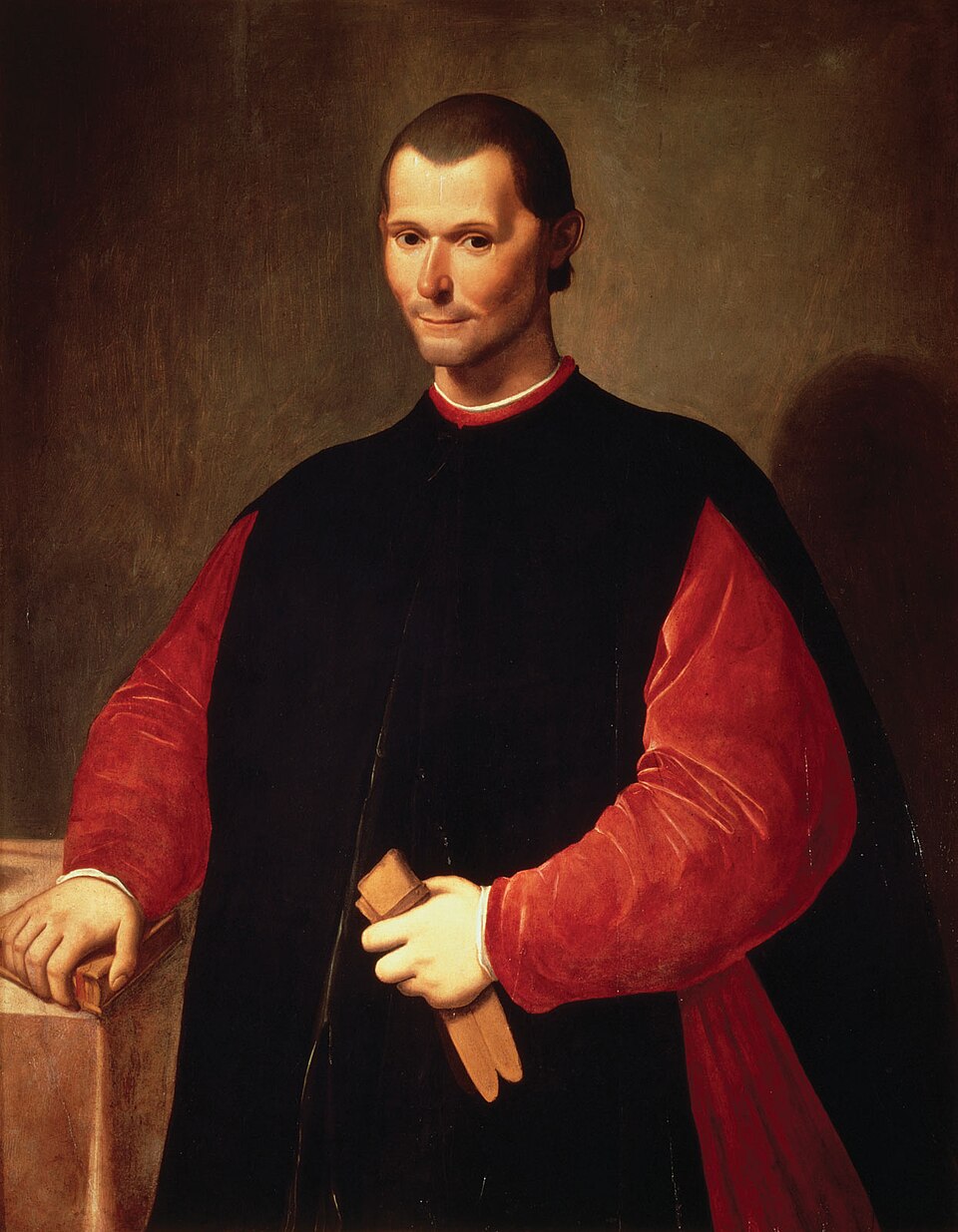
  • Portrait of Niccolò Machiavelli

    Niccolò Machiavelli

    1469–1527, Florence (republican secretary and diplomat, then exile, amid the Italian Wars)

    Soldiers in Milan, Rioters in Paris: Why Fear Is Now the Cheaper Currency

    When hundreds of thousands march and soldiers patrol city centers, a leader who hesitates between love and fear chooses bankruptcy twice over.

    Soldiers in the center of Milan while thousands of young people march past boarded‑up luxury shops; more than 400,000 in the streets of France, hundreds of businesses previously looted, buildings torched, over 1,300 arrests in a single day. This is not normal policing; this is a government fighting for control of the streets. You have 70,000 officers deployed, thousands of protesters, and within them several thousand radical activists and some 500 identified as rioters. At that point the question is no longer what policies are just, or which speeches are moving. The question is whether the state still commands the square. When the streets are contested, everything else is a commentary.

    Read the essay