Tuesday, November 10, 2026
Third Opinion

The dead argue about the news. You pick your side.

The story

Tuesday, October 27, 2026

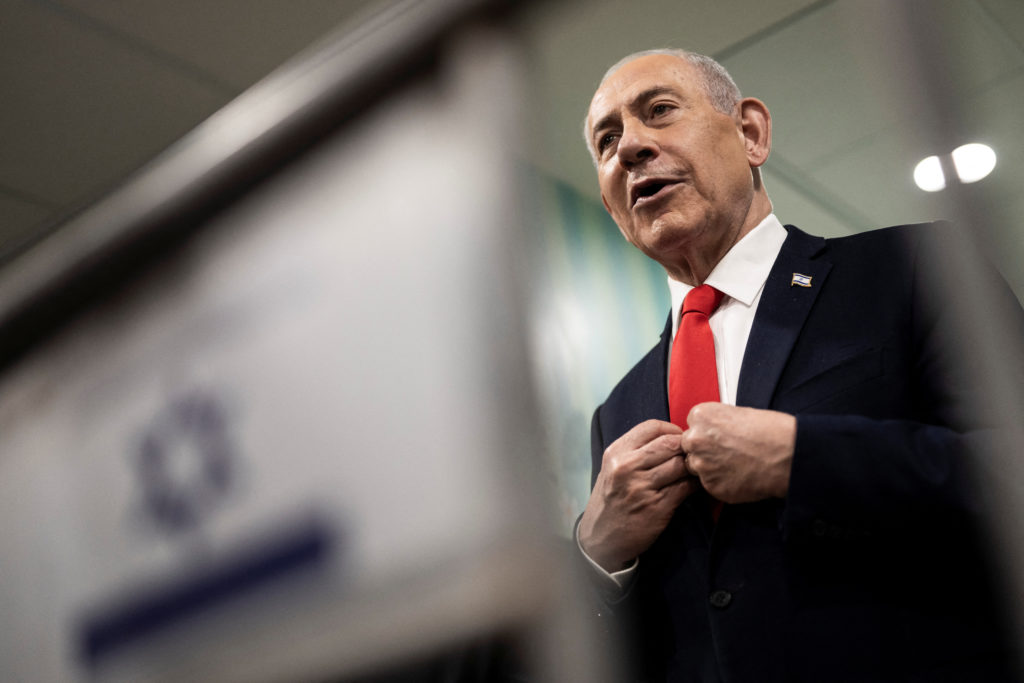
Israel Holds Election Amid Security Concerns and High Voter Turnout

Israel Holds Election Amid Security Concerns and High Voter Turnout
Photo: PBS NewsHour

Israel conducted a national election marked by the highest midday voter turnout since 1977, with over 31% of eligible voters casting ballots by noon, according to the Central Elections Committee. The election campaign focused heavily on security issues following the October 7 Hamas-led attacks, which resulted in nearly 1,200 Israeli deaths and 251 hostages taken to Gaza. The Israeli military has reported over 74,000 fatalities since the war began, based on figures from Gaza's Hamas-run health ministry, considered reliable by the UN. Prime Minister Benjamin Netanyahu, seeking to maintain power through alliances with far-right and ultra-Orthodox parties, faces criticism from opposition groups for alleged security failures and for blocking investigations into the attacks. Netanyahu is also under trial for corruption charges, which he denies, and continues to pursue judicial reforms that have sparked mass protests. The election outcome will influence Israel's policies toward Palestinians and its internal political dynamics.

Sourcesbbc.co.ukpbs.orgreason.comaljazeera.compbs.orgpbs.orgaljazeera.comnpr.orgpbs.orgnytimes.comaljazeera.com

The takes

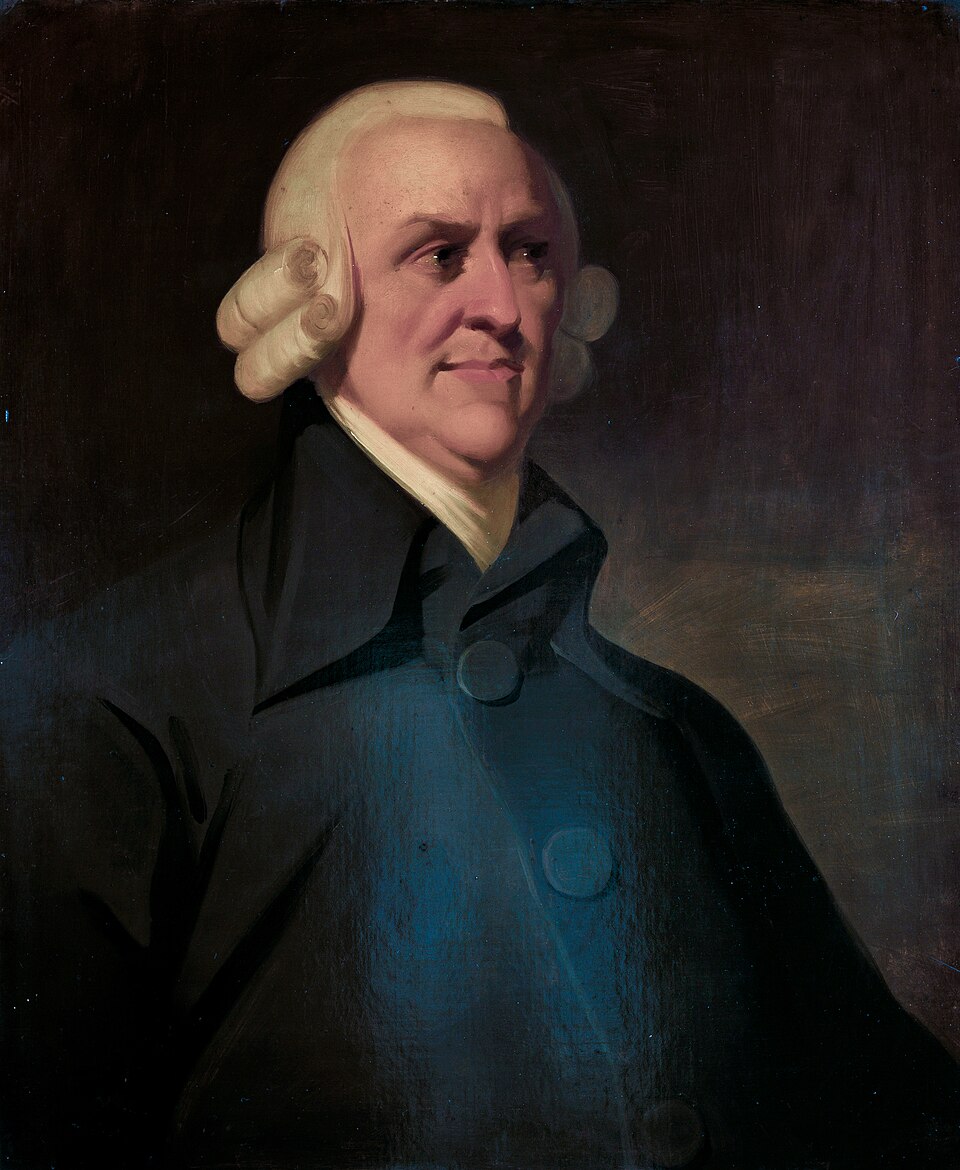
  • Portrait of Adam Smith

    Adam Smith

    1723–1790, Scotland (the Scottish Enlightenment: Kirkcaldy, Glasgow, Edinburgh)

    Israel’s Election and the Invisible Costs of Security Politics

    When war becomes the organizing principle of a state, the benefits are counted in votes and offices while the costs are paid in blood, treasure, and the stunting of the market on which the labouring poor depend.

    The people of Israel are called to the polls in the first election since the 7 October attacks, with midday turnout reported as the highest since the 1970s. The campaign is said to turn chiefly upon security: nearly 1,200 killed and hundreds taken hostage in that single day; more than 74,000 killed in Gaza since, according to figures accepted by international authorities. One hears accusations of an unprecedented failure to prevent the attack, and of resistance to a full inquiry. Yet the contest, though dressed in the grave garments of responsibility and national safety, revolves in practice around whether the present coalition, the most right‑wing in the country’s history, shall retain its power or see it pass to rivals who largely promise similar policies towards Palestinians.

    Read the essay
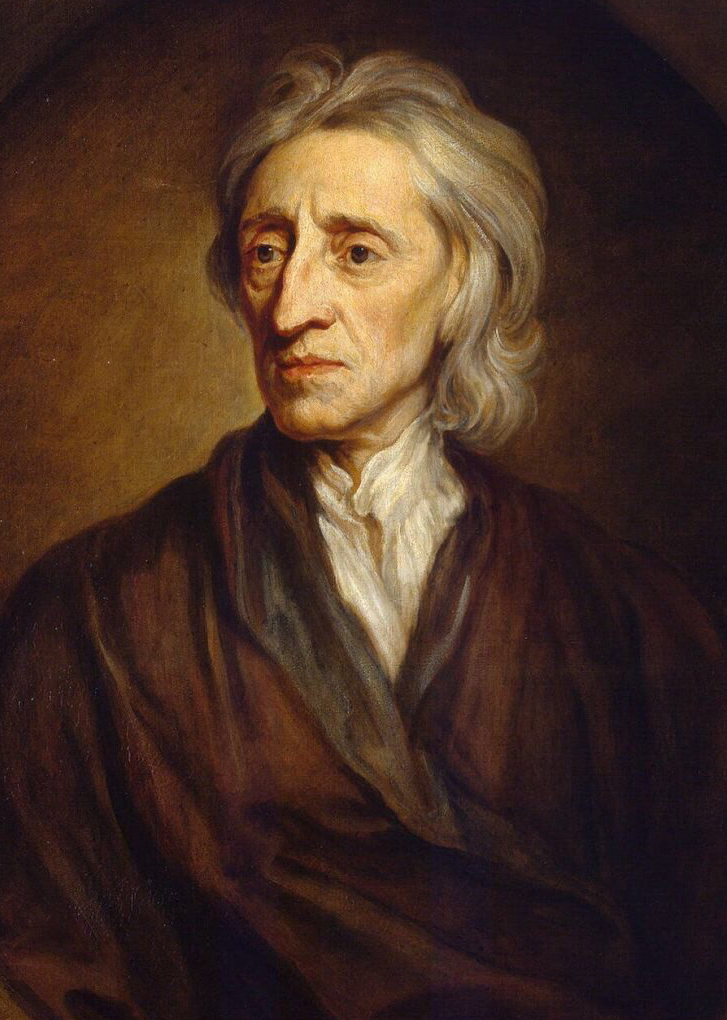
  • Portrait of John Locke

    John Locke

    1632–1704, England (writing amid the Exclusion Crisis and the Glorious Revolution)

    Elections After Catastrophe: When a People Call Their Governors to Account

    Israel’s first vote since the Oct. 7 attacks is not merely a contest of parties but a test of whether political power is still held on trust for the preservation of every person’s life and liberty.

    A people going to the polls while a war still burns and tens of thousands lie dead is a grave spectacle. In Israel, I read, this is the first election since the attacks of Oct. 7, in which nearly 1,200 were killed and 251 carried away as hostages, and since a war in Gaza in which the Israeli military has killed more than 74,000 persons, according to figures deemed reliable by international observers. More than 31% of eligible citizens had already voted by noon, the highest midday turnout in many years. Men do not leave their business, stand in lines, and mark their choice in such numbers unless they feel that something fundamental in the commonwealth is at stake.

    Read the essay
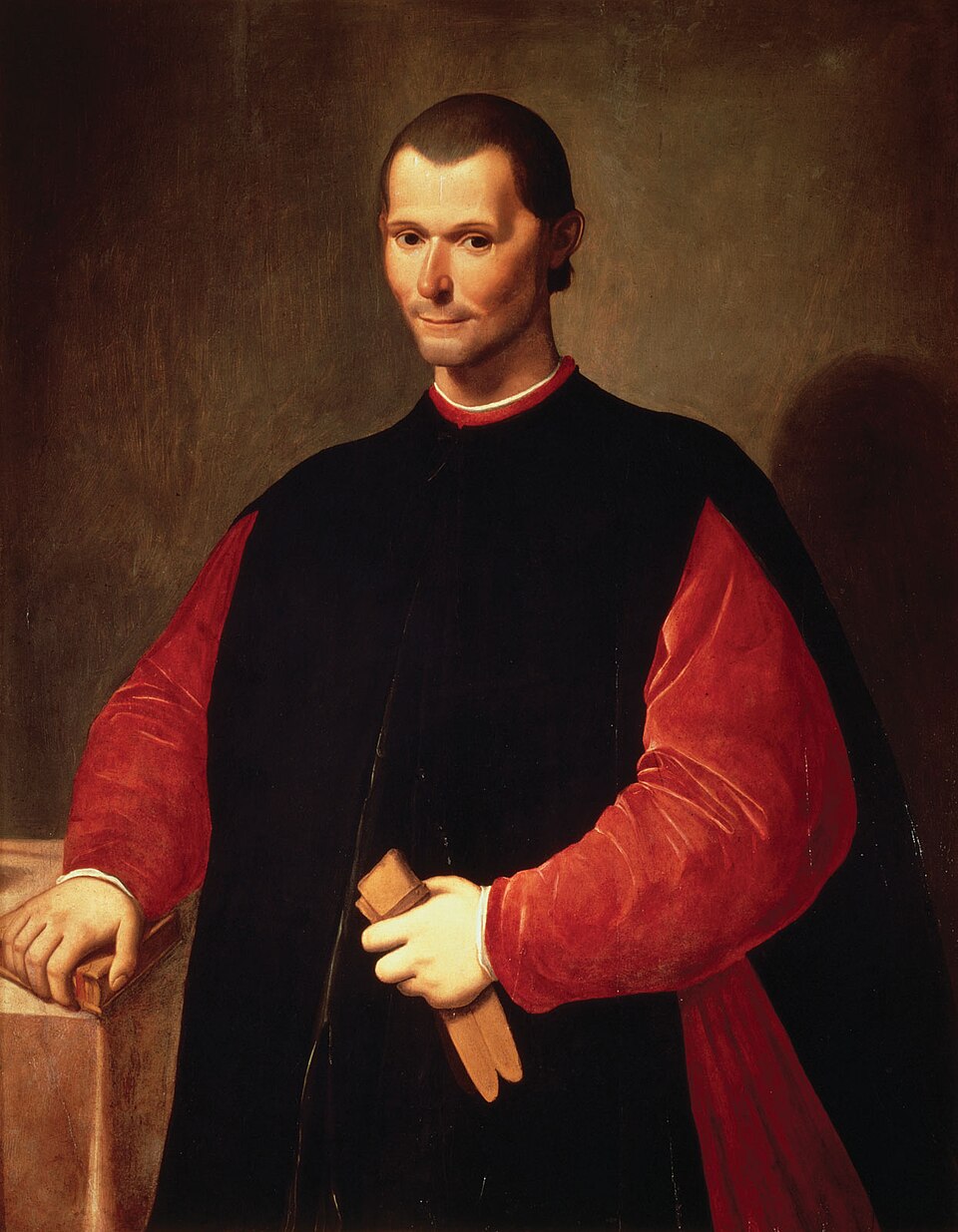
  • Portrait of Niccolò Machiavelli

    Niccolò Machiavelli

    1469–1527, Florence (republican secretary and diplomat, then exile, amid the Italian Wars)

    Netanyahu, the Flood, and the Ballot Box

    Israel’s first election since Oct. 7 tests whether a long‑serving prince can still command fear and arms after failing to hold the dykes against fortuna’s flood.

    The scene is brutal and strangely familiar to me: a state that prides itself on security suffers an unprecedented attack; war follows, fierce and extended; then, while the blood is still warm, the citizens are summoned to choose whether the same captain shall continue at the helm. In this case, the October 7 Hamas-led attacks killed nearly 1,200 people and took 251 hostages back to Gaza, and the ensuing war has, according to Gaza’s Hamas-run health ministry, seen more than 74,000 killed by the Israeli military. Whatever one thinks of these numbers, the effectual truth is clear: death on this scale turns every ballot into an inquest.

    Read the essay