Tuesday, November 10, 2026
Third Opinion

The dead argue about the news. You pick your side.

The story

Tuesday, October 27, 2026

Lula Wins Brazil Presidential Election After Second Round Victory

In Brazil's presidential election, incumbent Luiz Inácio Lula da Silva lost the first round to far-right rival Flávio Bolsonaro but secured a decisive victory in the second round. This outcome marked a significant turnaround in the election process. Following the election, the Guardian's Latin America correspondent addressed reader questions regarding Lula's win and its implications.

Sourcestheguardian.comnpr.orgreason.com

The takes

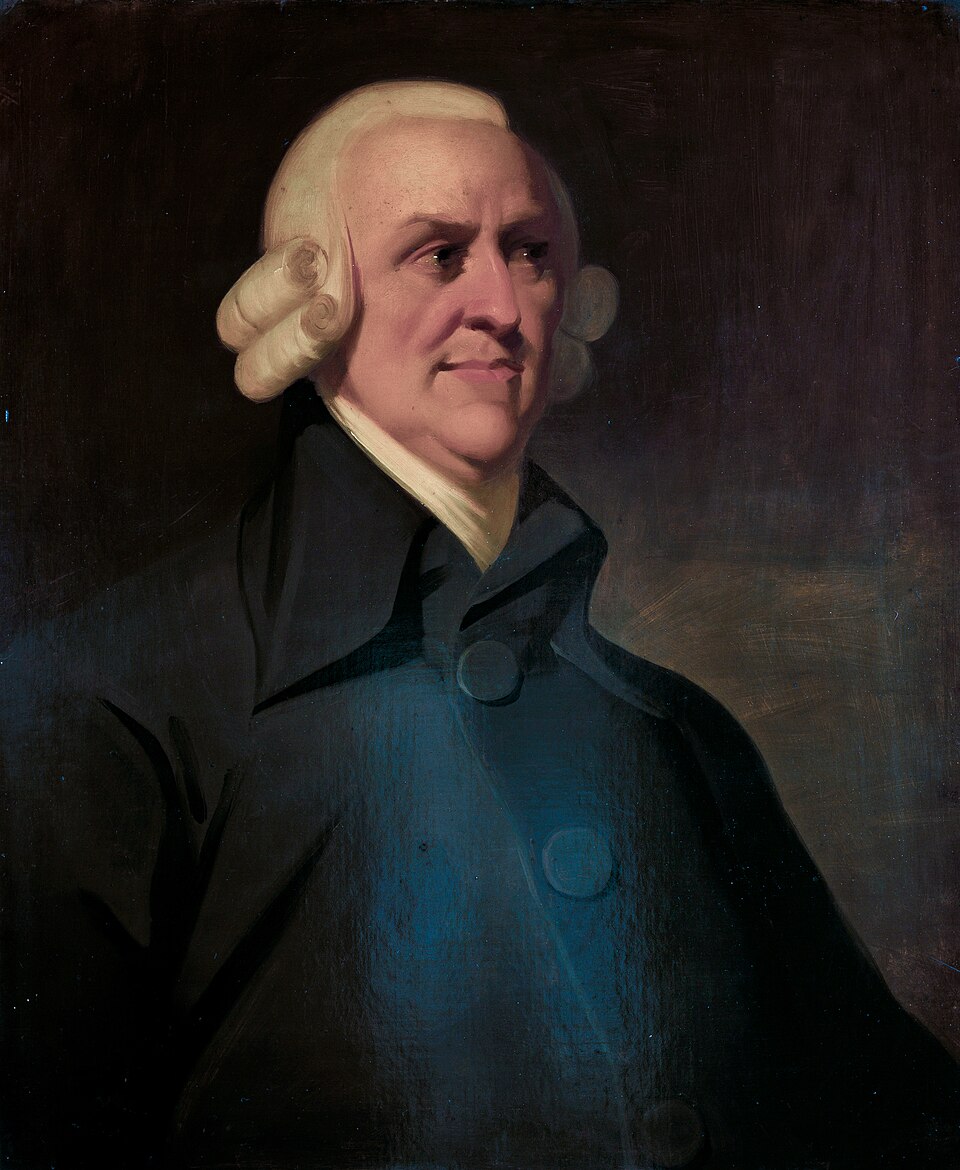
  • Portrait of Adam Smith

    Adam Smith

    1723–1790, Scotland (the Scottish Enlightenment: Kirkcaldy, Glasgow, Edinburgh)

    Brazil’s Ballot, Brazil’s Bullets

    Brazil’s dramatic election upset will deserve applause only if it tames the gun, restrains the lobby, and quietly enlarges the common market for the labouring poor.

    One need not be Brazilian to feel the drama of an election in which the incumbent president, having trailed in the first round, triumphs spectacularly in the second against a far-right rival. Such reversals seldom occur without a moral as well as a political cause. Voters may forgive mismanagement of many kinds, but they rarely forgive a pattern: corruption that appears habitual, or violence that appears unchecked, or rulers who seem to hear only their friends. When the tide turns so abruptly, the impartial spectator, of whom I wrote in The Theory of Moral Sentiments, suspects not sorcery in the victor, but accumulated discontent with the vanquished, seeking at last a different steward of the public peace.

    Read the essay
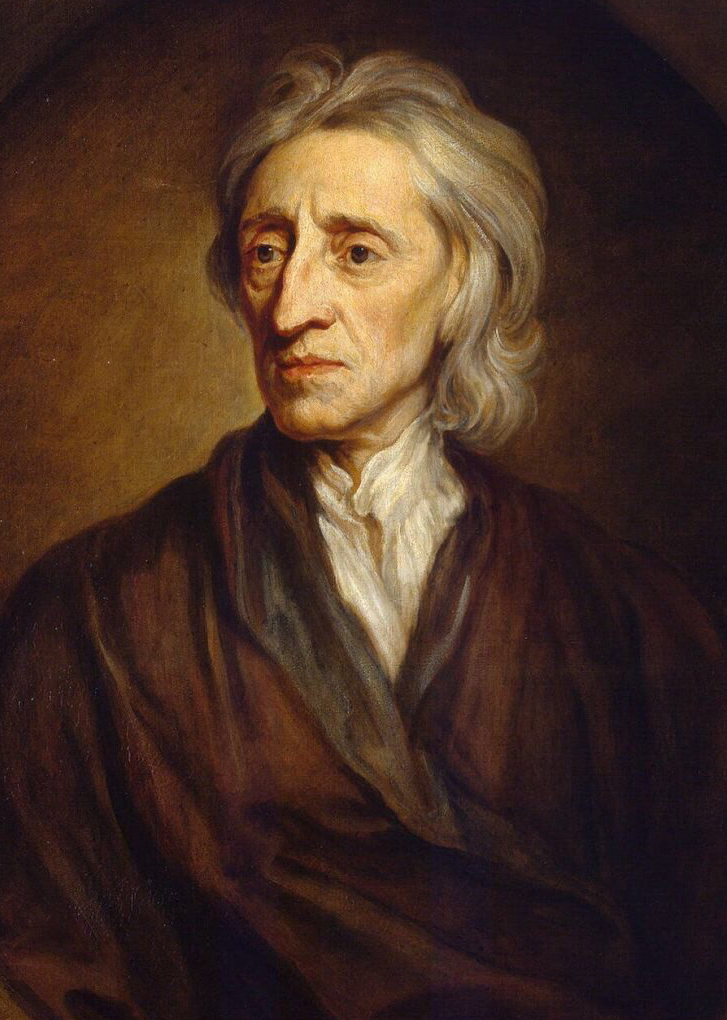
  • Portrait of John Locke

    John Locke

    1632–1704, England (writing amid the Exclusion Crisis and the Glorious Revolution)

    Brazil’s Election Is Not a Revolution — It Is a Test of a Trust

    Lula’s dramatic victory in Brazil does not reset the terms of political power; it renews, under sharper scrutiny, the old question whether rulers will use their trust to protect lives, liberties, and estates, or to prey upon them.

    That an election can be described as “sensational” already tells us something about the condition of a commonwealth. In Brazil, I am told, an incumbent president first lost a round of voting to a far‑right rival, only to triumph “spectacularly” in the second. Passions plainly ran high; the contest was framed in terms of corruption and violence; citizens and observers still press correspondents with anxious questions. Yet beneath this theatre, one sober question remains: what has really changed in the tenure of political power? An election, even a dramatic one, is not magic. It either confirms that authority is held on trust from the people, or it reveals that something else is moving the wires.

    Read the essay
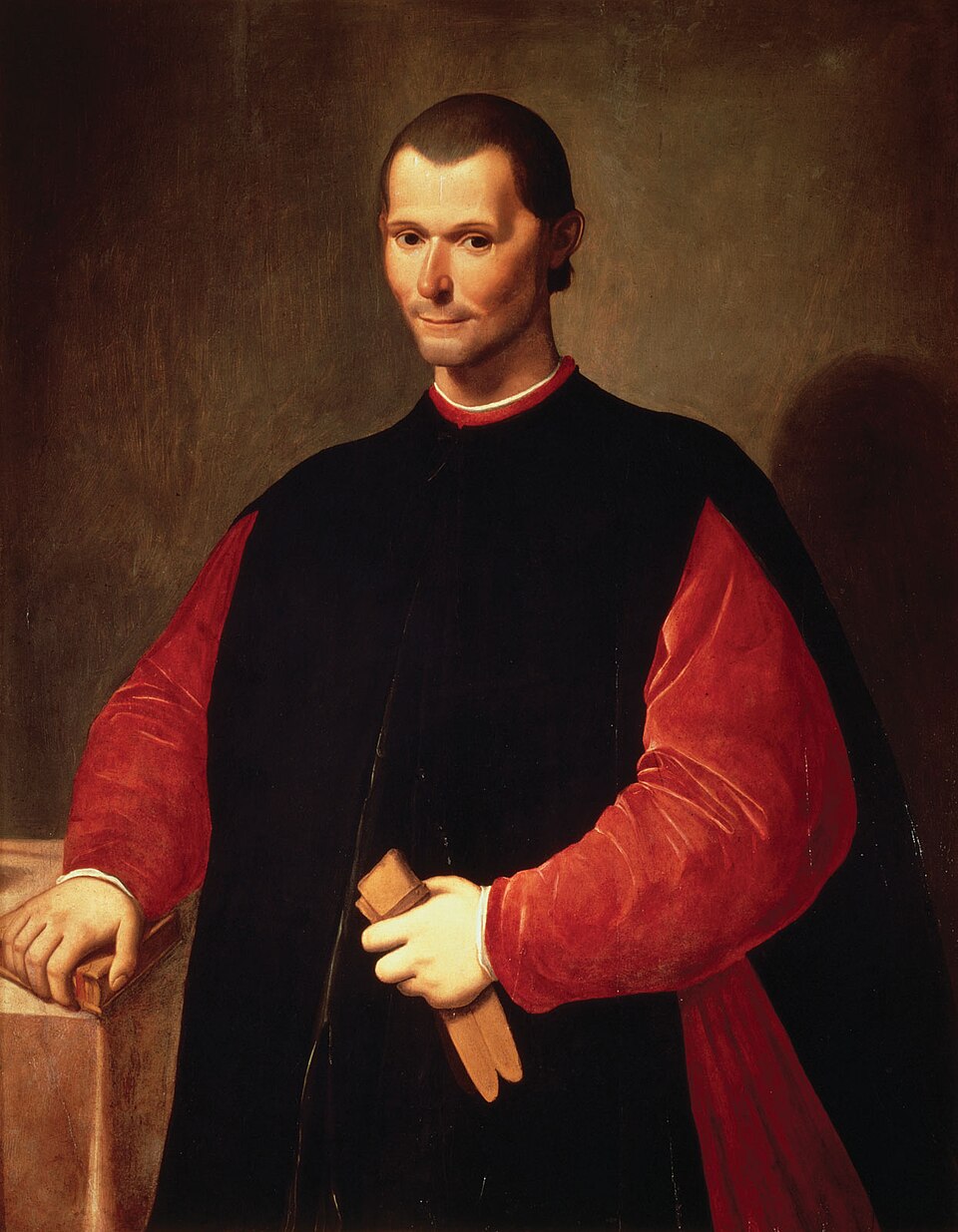
  • Portrait of Niccolò Machiavelli

    Niccolò Machiavelli

    1469–1527, Florence (republican secretary and diplomat, then exile, amid the Italian Wars)

    Brazil’s Ballot Shows Why Brutal Princes Lose

    A far-right rival tried to rule by the gun and the accusation; Lula answered with elections and narrative, and the people judged whose medicine they preferred.

    The scene is simple and therefore precious. An incumbent, Lula, loses the first round of Brazil’s presidential contest to a far‑right rival, Flávio Bolsonaro. All the talk is of corruption and violence. The rival’s camp has been “very good” at blaming “soft” left policies for blood in the streets. Their remedy is the old barbarous one: “shoot first, ask questions later,” applied in states plagued by violence and in favelas like Complexo da Penha, where a massacre is remembered. Yet when citizens return to the urns, Lula wins “spectacularly.” I trust elections more than sermons. When a people has the chance to punish, it rarely fails to teach a lesson.

    Read the essay