Lula Wins Brazil Presidential Election After Second Round Victory
Brazil’s Ballot Shows Why Brutal Princes Lose
A far-right rival tried to rule by the gun and the accusation; Lula answered with elections and narrative, and the people judged whose medicine they preferred.
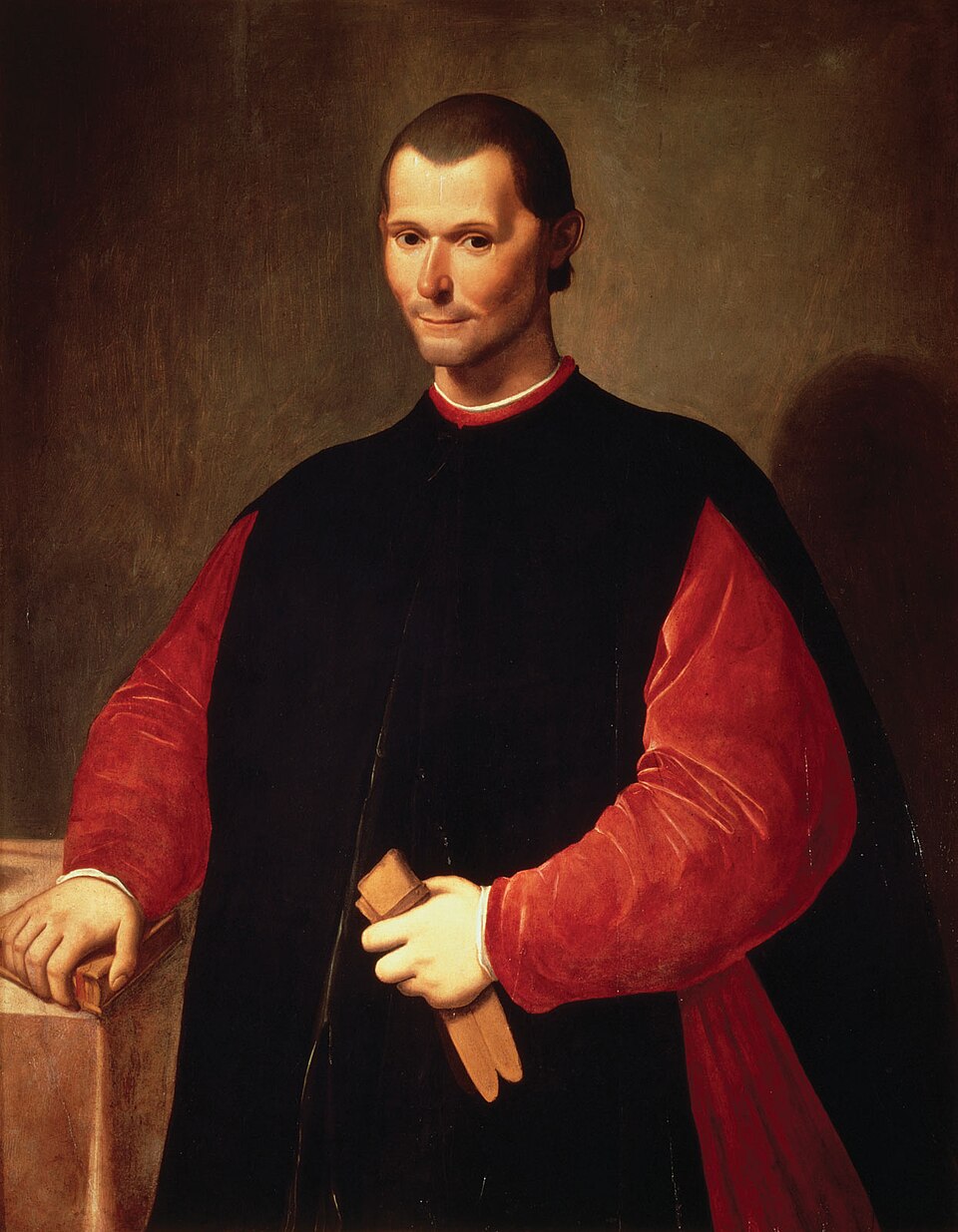
The scene is simple and therefore precious. An incumbent, Lula, loses the first round of Brazil’s presidential contest to a far‑right rival, Flávio Bolsonaro. All the talk is of corruption and violence. The rival’s camp has been “very good” at blaming “soft” left policies for blood in the streets. Their remedy is the old barbarous one: “shoot first, ask questions later,” applied in states plagued by violence and in favelas like Complexo da Penha, where a massacre is remembered. Yet when citizens return to the urns, Lula wins “spectacularly.” I trust elections more than sermons. When a people has the chance to punish, it rarely fails to teach a lesson.
In The Prince I wrote, as W. K. Marriott renders it, that how men live is “so far distant from how they ought to live” that whoever leans on the ought ruins himself. The effectual truth here is that Brazilians live amid fear of crime and disgust at corruption. One side offered lead as cure; the other, continuity of a known ruler who had already lost once and therefore could be discarded without shame. That the people reversed themselves between rounds tells me their judgment about security is more subtle than the slogans. A populace will accept force, but not incompetence in the name of force.
Let us speak plain about survival. Every ruler’s first necessity is to maintain the state and his own position within it; in this their interest coincides with the public more often than the moralists admit. Lula, as incumbent, faced a grave signal in the first‑round loss: the people were willing to flirt with an alternative. He could have clung to old rhetoric, hoping habit would save him, as so many princes do who are broken by the same weapons that once raised them. Instead, the second round shows adaptation or at least a better use of fortuna: he convinced enough citizens that his rule was the safer dyke against the flood of chaos than the rival’s hard‑line experiment.
The far right, by contrast, practiced a politics I know well and distrust. In Bahia and in Rio’s shadowed quarters they tried the lion without the fox. They treated public security, which in Brazil lies chiefly with the states, as a stage for spectacular raids and massacres, then blamed federal “softness” when violence worsened. This may win applause in the plaza for a season, because the people are easily inflamed against thieves and drug merchants. But as I argued about fear and love, a prudent ruler must avoid hatred. When the “shoot first” policy not only spills blood but plainly fails to bring peace, fear curdles into hatred of those who command the guns.
Here the times punish a very old error. Harsh men think violence is a straight road: more blows, more obedience. Yet history shows that exemplary cruelty must be rare, swift, and followed by order; otherwise it multiplies enemies faster than it removes them. The reporting that these tactics “have not worked” and have “made the violence even worse” is politically decisive, whatever their moral weight. Citizens in Rio and Bahia do not count corpses with a philosopher’s detachment; they ask, very sensibly, whether the rulers who promised iron security can even keep the murderers off their own streets. When the answer is no, arms become a liability rather than an asset.
In The Prince I compared fortune to a flooding river, which overwhelms those who have built no dykes in fair weather. Lula’s position between rounds shows a man already waist‑deep in the water. The rival’s security theatre, the massacres, and the loud blame of “soft” policies created a narrative tide that could have swept the incumbent away. That it did not tells me he or his allies raised at least minimal barriers: they reminded voters that security is a state competence, that brutality had failed where it was most tried, and that continuity might bring gradual repair instead of fresh experiments with blood. This is virtù of a moderate sort: not heroic, but sufficient to ride the torrent rather than drown.
Do not mistake me: I do not say the people suddenly become saints or subtle jurists. I have written elsewhere that men are fickle and ungrateful. But I have also noted, in the Discourses, that a people left free to judge events over time often sees more clearly than a single prince. Given two bad smells, they choose the less. Given a loud promise of order that yields only worse massacres, they withdraw credit. Lula’s “sensational victory” after a first‑round defeat is their verdict on whose methods, for now, better maintain the state. That will hold only so long as he matches the story of security with its substance.
The uncertainty that remains for me is how deep and durable this popular judgment is, since I see only fragments of Brazil’s struggles with crime and corruption rather than the full book of their deeds.
From the works cited
- The Prince — Virtù versus fortuna — the raging-river figure: preparation in fair weather is the whole difference between the drowned and the dry.
- The Prince — The economy of violence and the feared/loved calculus: better feared than loved if one must choose, but never hated — fear rests on the prince's will, love on the fickle will of others.