Tuesday, November 10, 2026
Third Opinion

The dead argue about the news. You pick your side.

The story

Tuesday, October 27, 2026

Trump Administration Flags Over 400 Potentially Ineligible Voters in Washington State

Federal officials on Monday alerted Washington state's election officials about more than 400 individuals who may have illegally registered to vote without U.S. citizenship. In response, state and local authorities have developed plans for Election Day that address possible Immigration and Customs Enforcement (ICE) raids, conduct of federal election monitors, and efforts to seize votes or voting machines. Election officials have expressed concerns regarding potential interference by the Trump administration in the midterm elections.

Sourcesthehill.comaljazeera.compbs.orgnytimes.compbs.orgmotherjones.com

The takes

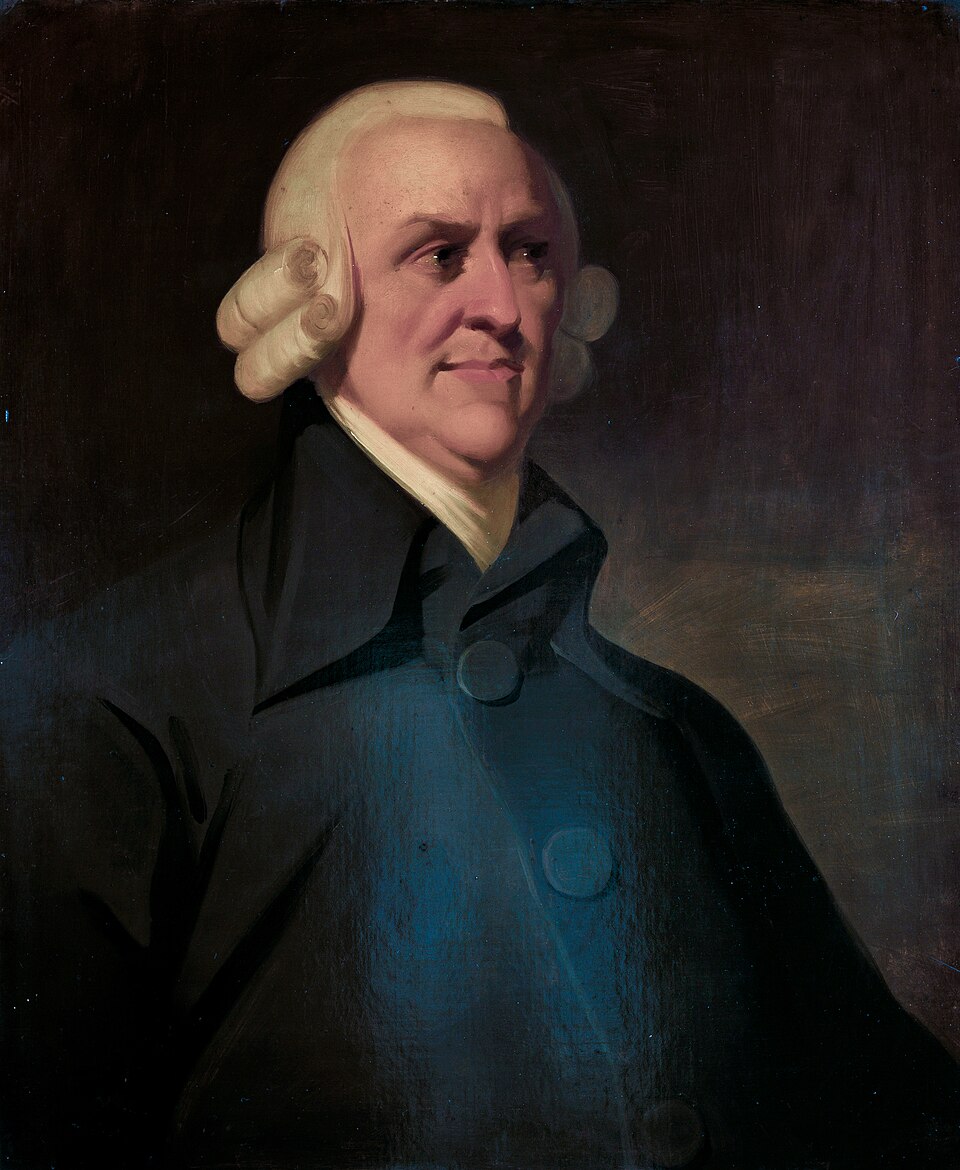
  • Portrait of Adam Smith

    Adam Smith

    1723–1790, Scotland (the Scottish Enlightenment: Kirkcaldy, Glasgow, Edinburgh)

    When Justice Becomes a Campaign Strategy

    Federal pressure on Washington state to sideline hundreds of ballots dresses itself in the language of law, but smells strongly of faction using justice as an instrument of power.

    Federal officials have written to Washington state, we are told, urging that ballots from more than four hundred people be set aside as suspected votes of noncitizens, and boasting that some fifteen hundred votes have already been cast by such persons. At the same time, state and local officers are preparing for Election Day not only with poll-books and pens, but with plans for how to answer immigration raids, misbehaviour by federal “monitors,” and even attempts to seize votes or machines. One hardly needs a very delicate nose to detect that what is formally presented as law enforcement arrives in a posture that election officials themselves regard as interference.

    Read the essay
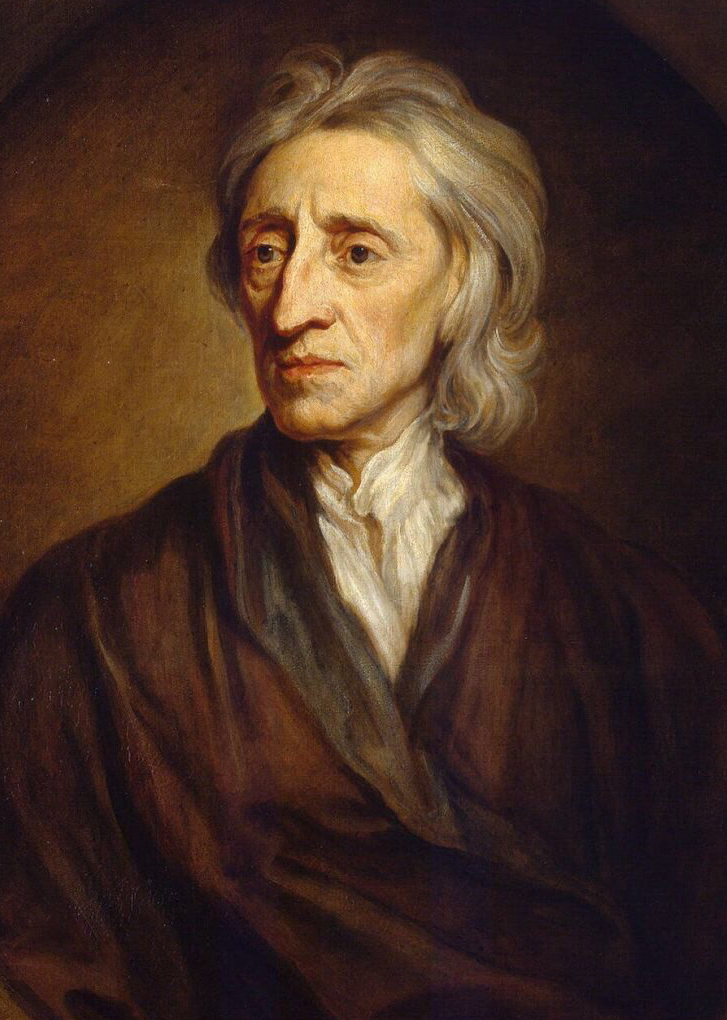
  • Portrait of John Locke

    John Locke

    1632–1704, England (writing amid the Exclusion Crisis and the Glorious Revolution)

    Election Power Held on Trust, Not Suspicion

    When federal officers bid a state set aside citizens’ ballots on their word alone, they do not guard elections; they lay claim to an arbitrary power no free people can prudently endure.

    I read that federal officials have written to the chief election officer of Washington state, naming more than four hundred persons whose ballots, they say, ought to be set aside because they may be noncitizens, and that state and local officers now plan how to face possible raids, misbehavior by federal monitors, and even attempts to seize votes or machines. Here is power arriving not as a known rule beforehand, but as a threatening presence round the very act by which a people chooses its rulers. When those charged to conduct an election must rehearse how to withstand their own government, something in the trust that makes government possible has already been shaken.

    Read the essay
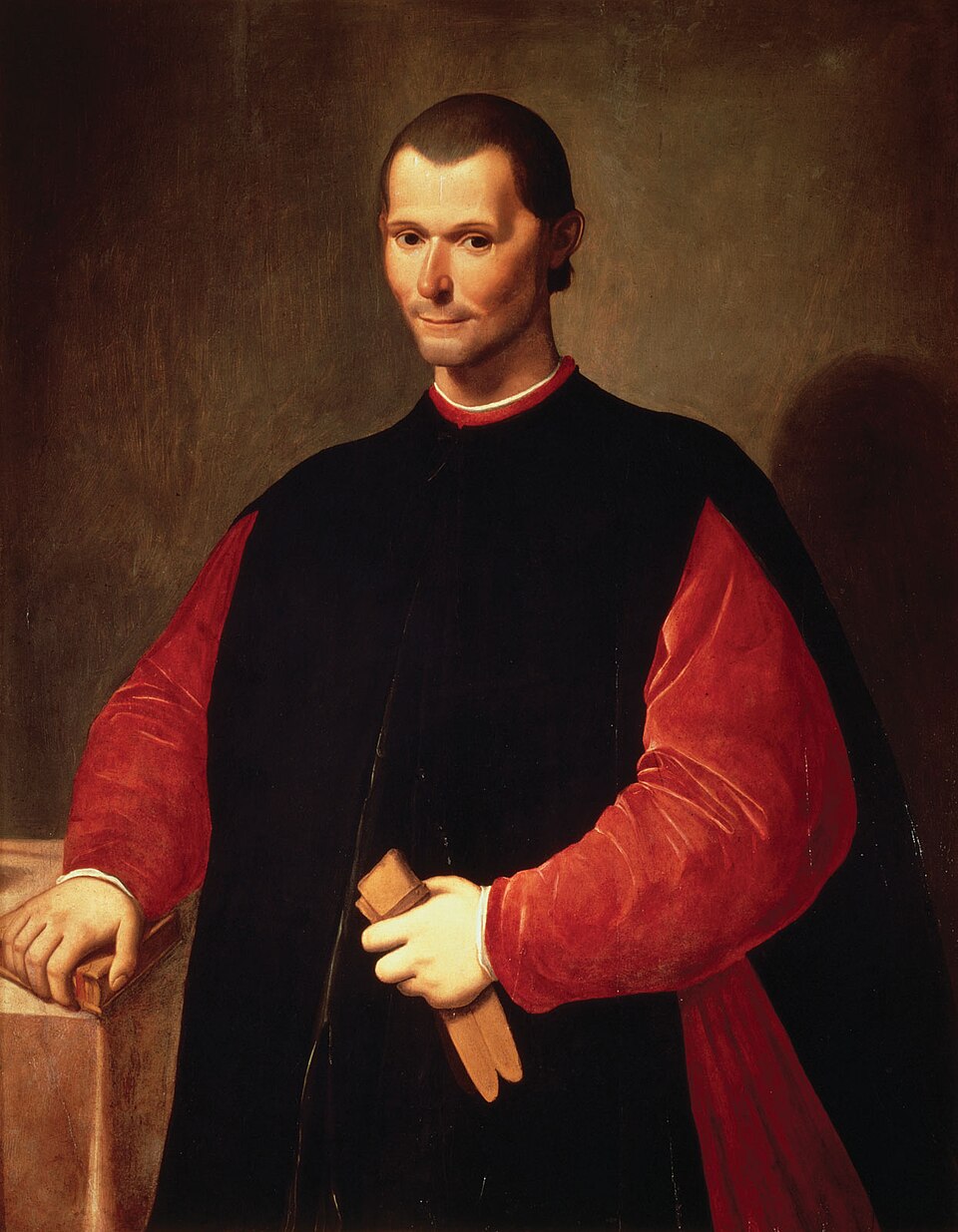
  • Portrait of Niccolò Machiavelli

    Niccolò Machiavelli

    1469–1527, Florence (republican secretary and diplomat, then exile, amid the Italian Wars)

    How to Steal an Election Without Touching a Single Vote

    When federal power leans on a handful of contested ballots and hints at raids and seizures, the real struggle is not over 400 votes in Washington, but over who commands fear, procedure, and the story the people tell themselves about their republic.

    The scene is this: federal officials write to the secretary of state of Washington and demand that more than 400 ballots be set aside, on the claim that these voters registered without citizenship. They boast of having identified some 1,500 past votes from this group. Around the same time, local officials prepare for Election Day not only with pens and scanners, but with contingency plans for possible immigration raids, unruly federal “monitors,” even attempts to seize ballots or voting machines. The numbers are small, the anxieties large. When you see such a contrast between the scale of the fact and the scale of the fear, you may be sure the real battle is elsewhere.

    Read the essay