Egyptian court refers Mada Masr case to trial amid media crackdown
Egypt’s War on Mada Masr Is Brutal, Coherent, and Ultimately Weak
By moving from harassment to extermination of an independent outlet, Egypt’s rulers show real virtù for regime survival and very little prudence for the health of the state.
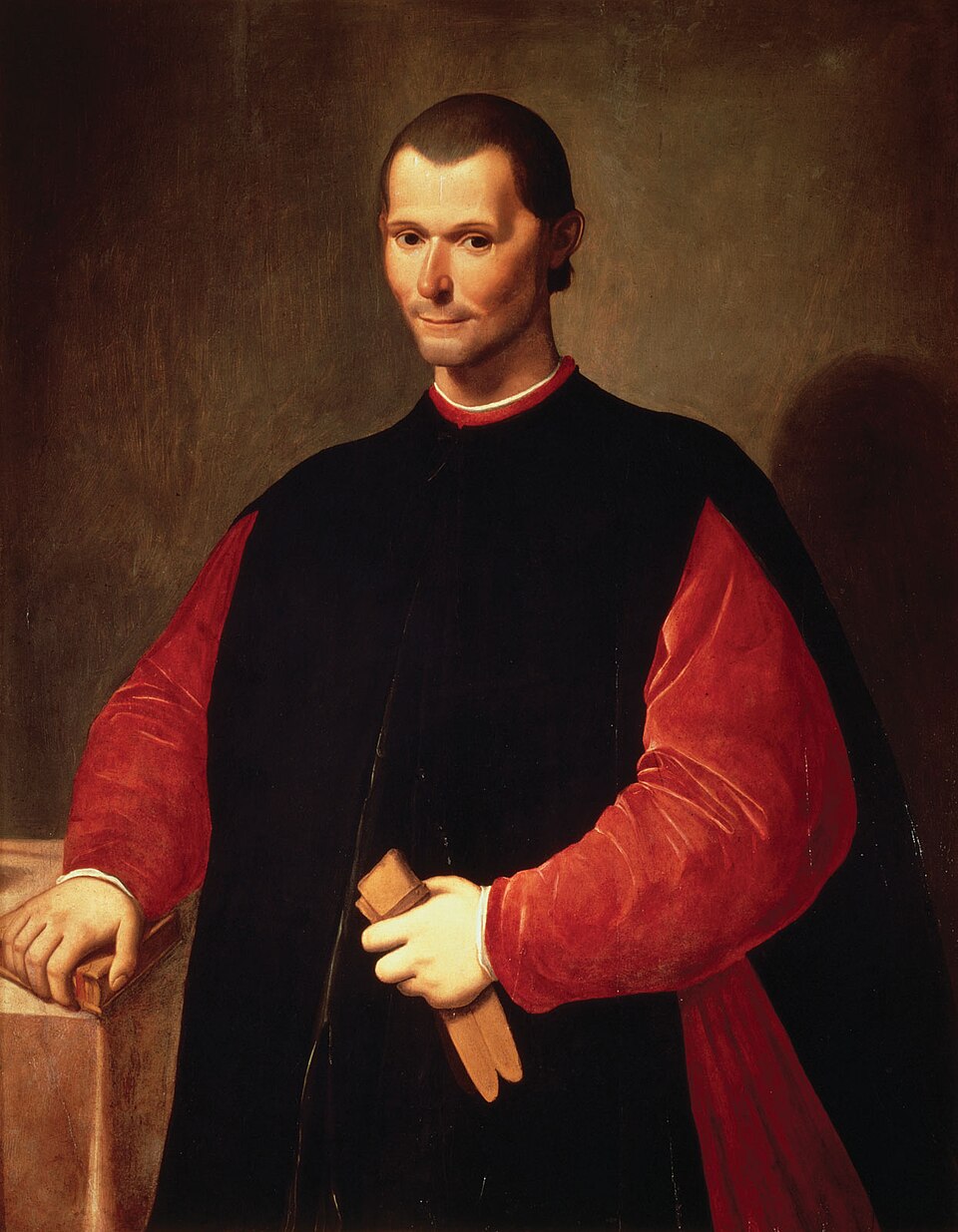
The shutting of Mada Masr and fining of its editor, Lina Attalah, is not a mystery to me. A ruler who speaks often of conspiracies to destabilise the country, and whose security arms have spent years harassing a small band of independent outlets, will sooner or later ask the simple question: why do I tolerate what I daily denounce? The court case, the heavy fine, the first referral of this kind to trial after six lesser blows in six years – these are not legal curiosities. They are the moment when the mask of “narrow margin of press freedom” slips and the regime acts in the only language it fully trusts: punishment.
In such moments one must forget sermons and look to the effectual truth. The security agencies, we are told, long harassed this outlet; now a human rights advocate in Cairo says they move from harassment to “wiping them out completely.” This is the logic of a prince who has decided that half-measures merely advertise his hesitation. When I wrote in The Prince that “how one lives is so far distant from how one ought to live” (in W. K. Marriott’s translation), I meant exactly this. The ruler believes that so long as a handful of critical voices survive, his talk of plots sounds like weakness; therefore he resolves to make reality match the rhetoric.
Note also the arms. No mercenaries, no auxiliaries, only the prince’s own. The legal apparatus, the security organs, the obedient courts – these are his soldiers. For six years they contented themselves with pinpricks: cases opened and closed, permits delayed, harassment that bites but does not maim. Now they use the same arms to deliver a maiming blow: a trial of a different nature, a fine large enough to remind every editor who truly owns the presses. As I argued about arms in The Prince, power borrowed is power owed, and here the regime wisely avoids borrowing. It does not rely on mobs or foreign patrons to silence critics; it relies on its own disciplined cruelty.
Some will say this is all fortune: that Egypt, like others, is swept along by the modern flood that drowns independent journalism, as with the Russian paper that closes “under pressure from authorities” after its reporters were killed and its work became intolerable to power. But fortune alone does not explain a sixth case in six years suddenly becoming the first of its kind to reach trial. This is not a random overflow of the river; it is the deliberate breaking of a dyke the rulers themselves had raised. That narrow margin of tolerated freedom was a calculated sluice-gate, opened just enough to relieve pressure, then slammed shut once the prince judged that any outlet for true speech now served only his enemies.
From the view of mere regime survival, this is virtù, not accident. A prince who speaks daily of conspiracies cannot, without losing face, allow a hostile witness to remain in the public square. He chooses the safer of the two hard roads: better, he reasons, to incur the hatred of a few journalists and their foreign friends than to permit a platform that might knit dispersed grumblings into an organised opposition. In this sense he follows my own harsh counsel that, when you must injure, you should do it all at once and decisively, so that you appear resolute and others take warning. Severity that finishes the matter is, for rule, more merciful than leniency that drags out the contest.
Yet if I praise his coherence, I do not praise his prudence. In the Discourses on Livy I argued that the quarrels between Senate and people, channelled through tribunes, made Rome free; its tumults were the forge of its orders. By contrast, a prince who “eviscerates the narrow margin of press freedoms” eviscerates also one of the few peaceful channels by which discontent can accuse, be heard, and be corrected before it turns to conspiracy indeed. To eliminate such outlets is to drive opinion underground, where fantasies grow darker and plots more tempting. A ruler who will hear no bad news except from his flatterers has chosen to blind himself, and blindness in politics ends always in stumbling.
What do I conclude, then, speaking plainly? That Egypt’s rulers act with skill if their sole aim is to maintain themselves; that they act against the long life of their own state if they cannot imagine any other aim. They deploy their own arms, seize the occasion, and discard the middle course of half-tolerated dissent, preferring fear to love and control to reputation. In the ledger of princes this will look, for a time, like strength. But a state that fears a small newsroom fears its own people, and a prince who fears his people has already confessed where the real power lies.
From the works cited
- The Prince — Arms of one's own versus mercenaries and auxiliaries: power borrowed is power owed, and it will be collected at the worst moment.
- The Prince — Virtù versus fortuna — the raging-river figure: preparation in fair weather is the whole difference between the drowned and the dry.
- Discourses on Livy — The tumults between Senate and plebs, channeled through institutions like the tribunate, were the cause of Roman liberty — conflict as constitutional fuel, not constitutional failure.