Tuesday, November 10, 2026
Third Opinion

The dead argue about the news. You pick your side.

The story

Friday, October 30, 2026

Justice Department Investigates Alaska Ballot Issue as Peltola Denies Knowledge

Justice Department Investigates Alaska Ballot Issue as Peltola Denies Knowledge
Photo: The Hill

The Justice Department has escalated its criminal investigation into an effort to place a candidate with the same name as the Republican incumbent on the Alaska ballot, issuing new grand jury subpoenas. Democratic Senate candidate Mary Peltola denied any knowledge of this effort. President Trump stated in a Truth Social post that Peltola should face legal and political consequences related to the matter.

Sourcesthehill.commotherjones.comfoxnews.compbs.orgnpr.org

The takes

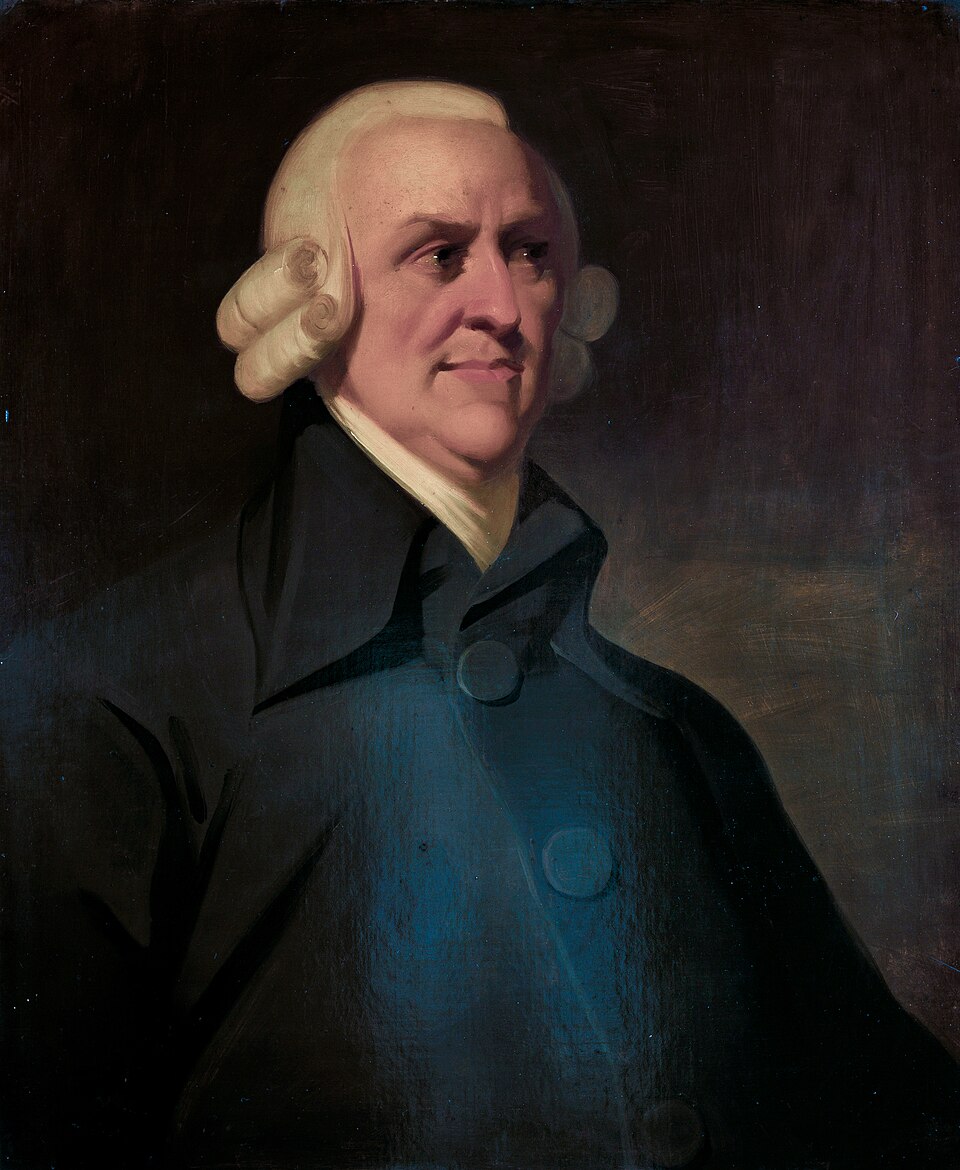
  • Portrait of Adam Smith

    Adam Smith

    1723–1790, Scotland (the Scottish Enlightenment: Kirkcaldy, Glasgow, Edinburgh)

    The Dirty Trick That Treats Voters as Fools, Not Freemen

    A scheme to plant a spoiler candidate with a borrowed name is not political cleverness but a small, sordid conspiracy against the public’s power to choose.

    In Alaska, we are told, someone has contrived to place on the ballot a candidate bearing the same name as the sitting senator’s principal rival, in hopes that confused electors will divide their suffrages and change the outcome. The candidate said to benefit denies knowledge; the state’s officers of justice have issued subpoenas and opened a criminal inquiry. The facts are contested, the evidence incomplete, and prudence forbids us to pronounce on any individual’s guilt. Yet the contrivance itself, as described, is sufficiently plain. It aims not to persuade the citizen, but to perplex him; not to win the contest of opinions, but to rig the counting of hands.

    Read the essay
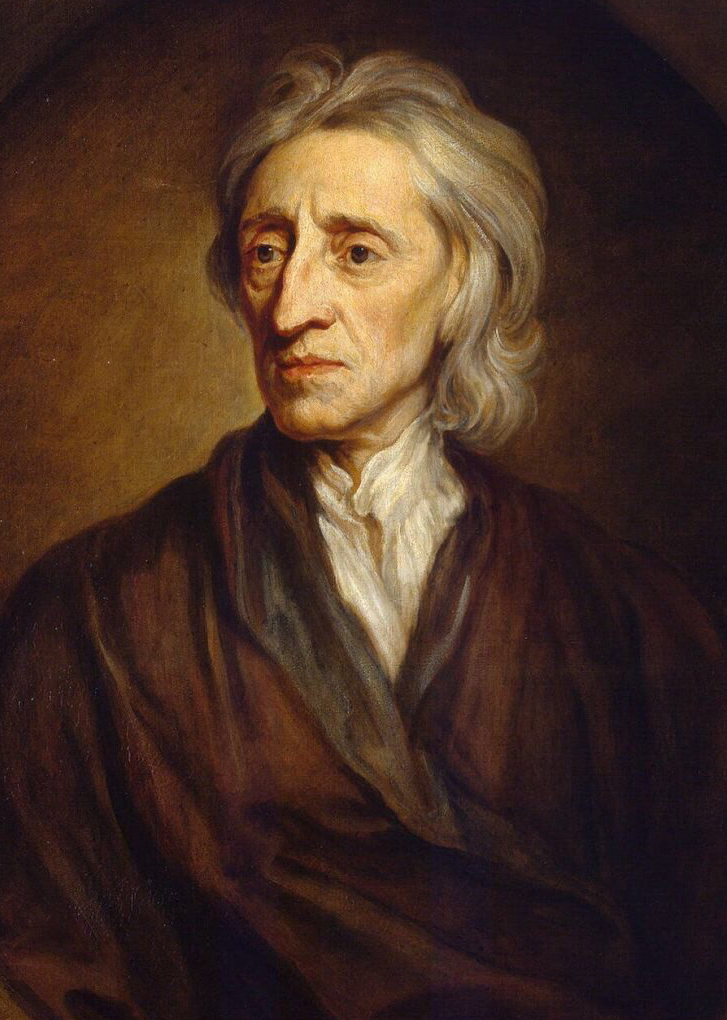
  • Portrait of John Locke

    John Locke

    1632–1704, England (writing amid the Exclusion Crisis and the Glorious Revolution)

    Ballot Tricks, Criminal Charges, and the Trust of a Free People

    When the same government that runs an election also prosecutes its participants, only clear law and clearer evidence can keep power from becoming judge in its own case.

    I read that in Alaska, a contest for a seat in your Senate has given rise to a curious device and a graver dispute. One candidate bears the same name as the sitting office‑holder, and this duplication, contrived by some as a “spoiler,” is said to be aimed at confusing voters. At the same time, the national Justice Department seeks to block certification of the election, accuses certain actors of misleading a federal court, and has issued many subpoenas, including to the campaign of the leading contender, Mary Peltola, who denies all knowledge of the stratagem. Over this, a president demands legal and political punishment before any tribunal has rendered judgment. One begins, justly, to ask: who here obeys law, and who claims a license above it?

    Read the essay
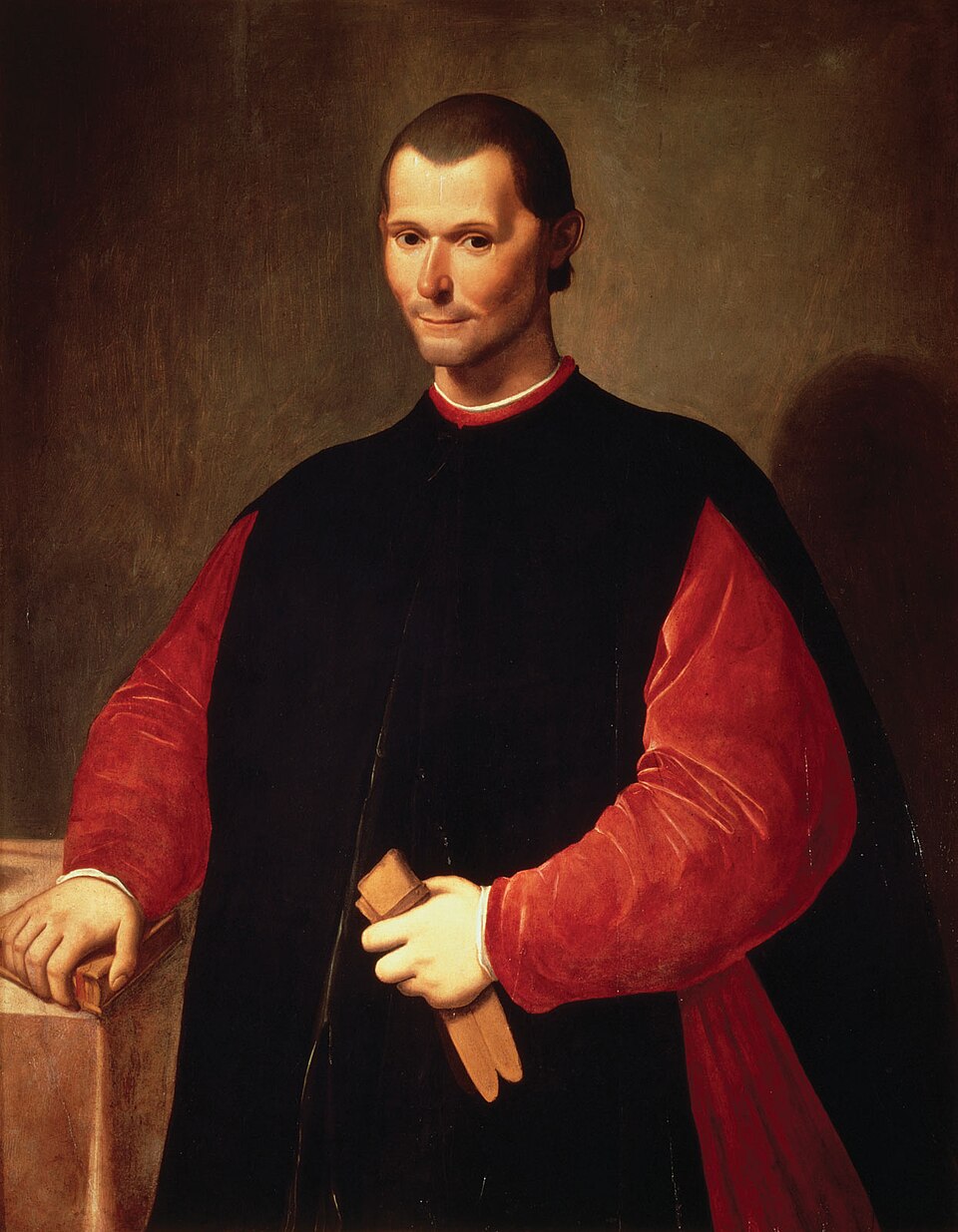
  • Portrait of Niccolò Machiavelli

    Niccolò Machiavelli

    1469–1527, Florence (republican secretary and diplomat, then exile, amid the Italian Wars)

    Mary Peltola’s Dangerous Middle Course

    When a candidate denies knowledge while the law marches forward with subpoenas, she chooses the one path that angers both fortuna and the people: ambiguity without control.

    The scene is simple enough. In Alaska, a Democratic Senate candidate, Mary Peltola, stands accused by the Justice Department of misleading a federal court in a lawsuit tied to an alleged effort to place a spoiler candidate on the ballot with the same name as the Republican incumbent. She denies knowing anything about this stratagem. At the same time, the Justice Department escalates its criminal investigation and sends grand jury subpoenas, including to her Senate campaign offices. Even a prince in my rude century would understand: when the judges begin to throw paper instead of compliments, something serious is in motion.

    Read the essay