Tuesday, November 10, 2026
Third Opinion

The dead argue about the news. You pick your side.

The story

Sunday, November 1, 2026

Judge Dismisses Trump's Defamation Lawsuit Against Wall Street Journal

Judge Dismisses Trump's Defamation Lawsuit Against Wall Street Journal
Photo: BBC World

A US judge dismissed President Donald Trump's $10 billion defamation lawsuit against The Wall Street Journal. The suit concerned a Wall Street Journal story about a letter allegedly bearing Trump's name, which contained typewritten text framed by a hand-drawn outline of a naked woman. District Judge Darrin Gayles in Miami ruled that Trump's legal team did not prove the defendants made defamatory statements with "actual malice," a legal requirement for defamation cases. The judge described the lawsuit as "grasping at straws" and dismissed it with prejudice. Earlier this year, a protest art installation mocking the alleged letter was displayed at the National Mall in Washington, DC.

Sourcesbbc.co.ukmotherjones.comreason.compbs.org

The takes

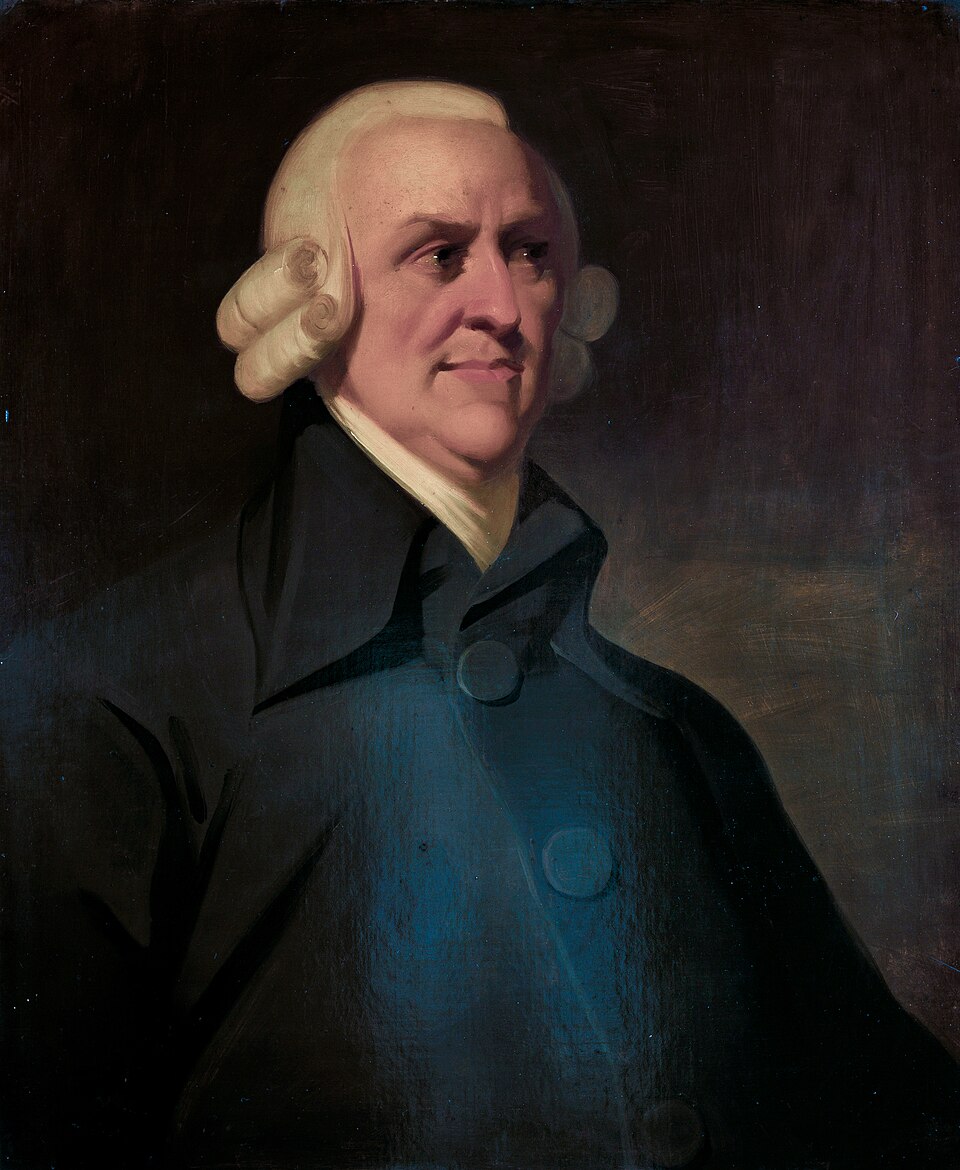
  • Portrait of Adam Smith

    Adam Smith

    1723–1790, Scotland (the Scottish Enlightenment: Kirkcaldy, Glasgow, Edinburgh)

    When Power Sues the Press, the Public Pays

    A failed $10 billion libel suit is more than a personal defeat; it is a reminder that justice must count the hidden cost of intimidating speech.

    One could hardly contrive a more garish stage-set for a serious question of liberty than the scene presented here: a letter said to bear a public figure’s name, its typewritten compliments framed by the outline of a naked woman; an art installation ten feet high, inviting passers-by to sign their mockery; and, towering over all, a demand for $10 billion in damages. What begins as farce ends in something graver, when such hurt feelings are carried, not to the tavern or the pamphlet, but into the courts of justice, with the whole machinery of the law harnessed to the quarrel of a single powerful man and a single newspaper.

    Read the essay
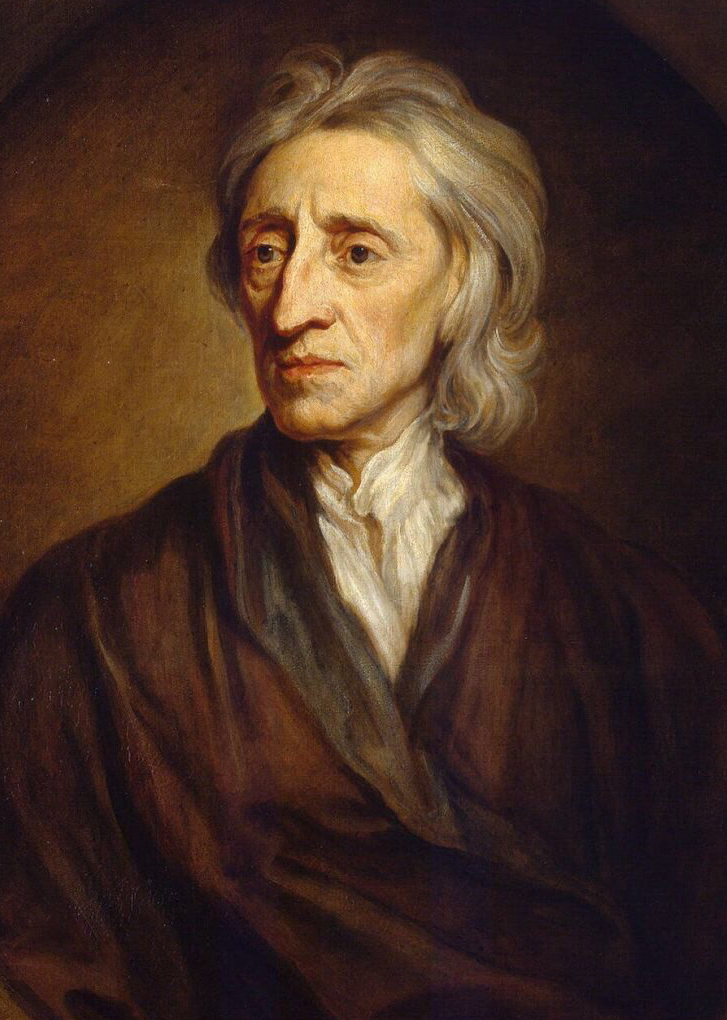
  • Portrait of John Locke

    John Locke

    1632–1704, England (writing amid the Exclusion Crisis and the Glorious Revolution)

    Why the Judge Was Right to Let Speech Stand in the Trump–WSJ Libel Fight

    By demanding proof of malice and refusing to punish unproved wrongs, the court kept power on trust and speech under law, not fear.

    A president suing a newspaper for ten billion dollars over an unflattering story is not a trifle. Power, wealth, reputation, and the public’s curiosity about secret correspondence with a disgraced offender were all drawn into one narrow question before a single judge in Miami. The Wall Street Journal had described a letter bearing the president’s name, sent years ago as part of a birthday book for Jeffrey Epstein, noting that the text was framed by the outline of a naked woman. The president answered not with contrary evidence in print, but with a libel suit. The judge called that suit “grasping at straws,” found no “actual malice,” and dismissed it with prejudice.

    Read the essay
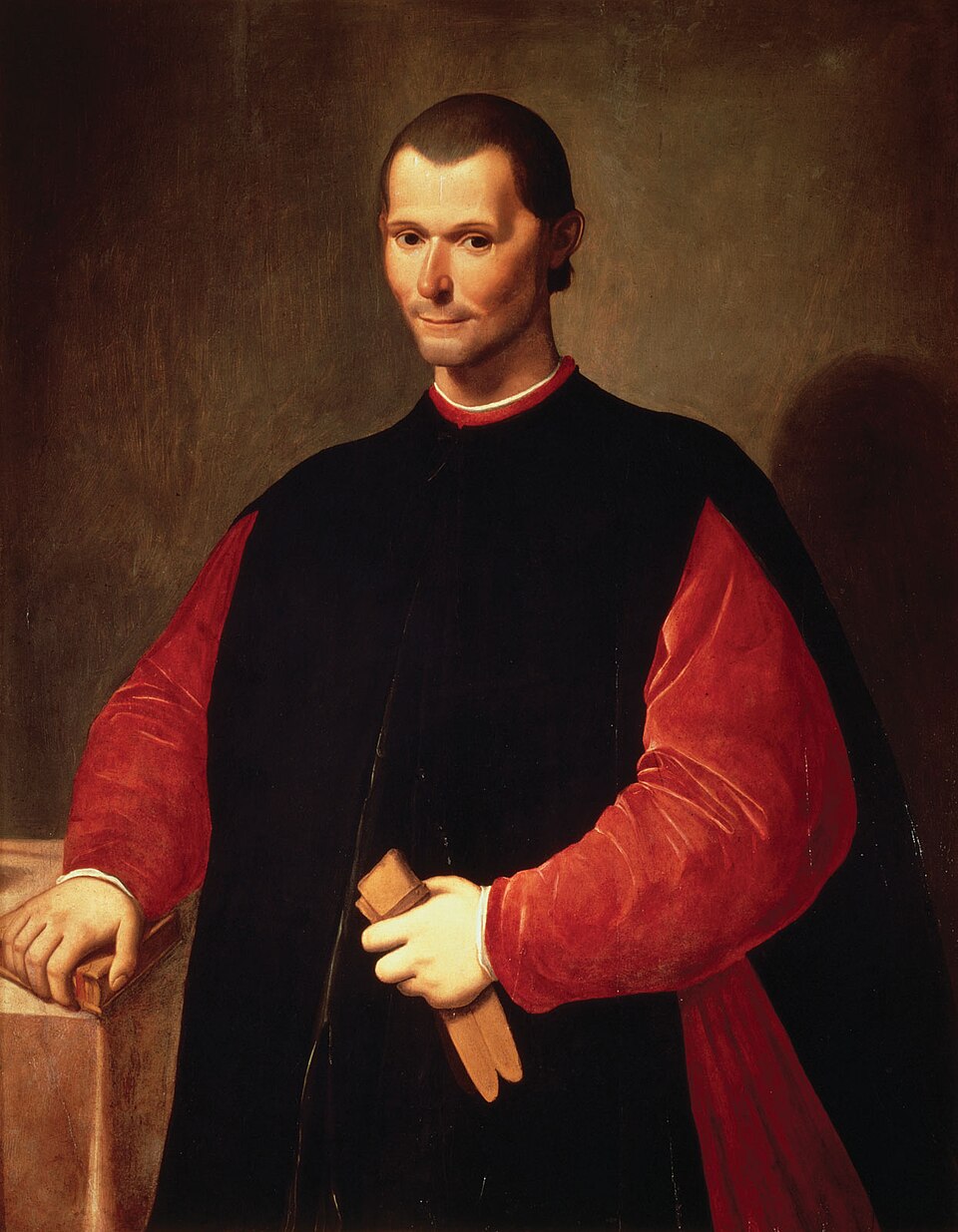
  • Portrait of Niccolò Machiavelli

    Niccolò Machiavelli

    1469–1527, Florence (republican secretary and diplomat, then exile, amid the Italian Wars)

    A $10 Billion Lawsuit That Spent Virtù and Bought Nothing

    When a leader turns the courts into a weapon of reputation and loses, the defeat echoes louder than the accusation ever could.

    A president sues a great journal for ten billion dollars and loses with the judge calling the case “grasping at straws.” That is not a legal episode; it is a drama of power. The article concerned a letter bearing his name, birthday wishes to Jeffrey Epstein, framed, they say, by the outline of a naked woman drawn in heavy marker. A man signs a ten‑foot protest installation mocking this on the National Mall. District Judge Darrin Gayles dismisses the suit with prejudice, finding no proof of “actual malice.” The prince goes to law to defend his name; the effectual truth is that his enemies keep their pens and gain a story.

    Read the essay