Judge Dismisses Trump's Defamation Lawsuit Against Wall Street Journal
Why the Judge Was Right to Let Speech Stand in the Trump–WSJ Libel Fight
By demanding proof of malice and refusing to punish unproved wrongs, the court kept power on trust and speech under law, not fear.
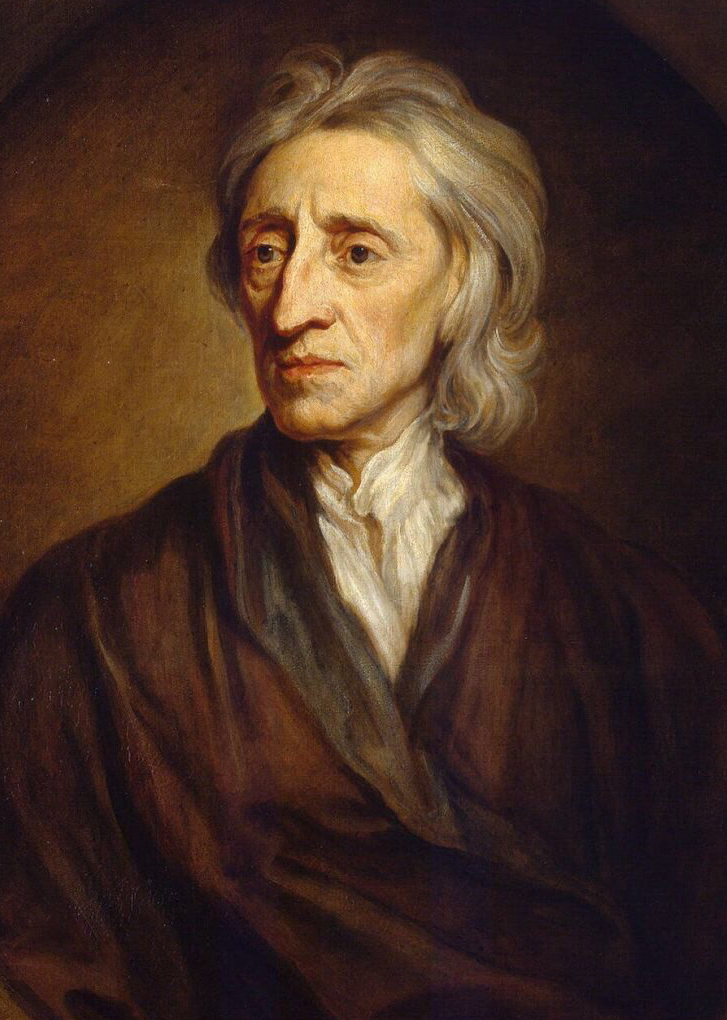
A president suing a newspaper for ten billion dollars over an unflattering story is not a trifle. Power, wealth, reputation, and the public’s curiosity about secret correspondence with a disgraced offender were all drawn into one narrow question before a single judge in Miami. The Wall Street Journal had described a letter bearing the president’s name, sent years ago as part of a birthday book for Jeffrey Epstein, noting that the text was framed by the outline of a naked woman. The president answered not with contrary evidence in print, but with a libel suit. The judge called that suit “grasping at straws,” found no “actual malice,” and dismissed it with prejudice.
When I once defined political power in the Second Treatise as a right of making laws with penalties only for the public good, I meant to warn that every enlargement of punishment beyond that end must justify itself or be counted usurpation. Here the question is whether the civil sword may be drawn to chastise speech about a public man’s past dealings. First, the plaintiff invoked that sword, claiming his property in reputation had been wrongfully invaded. Secondly, the court required him to furnish proof, not surmise, that the journalists knowingly or recklessly lied. Failing that proof, the law withheld its force.
This rule, that a public figure must show “actual malice” before recovering for defamation, astonishes me less than it would have once, for it rests on two principles I have long held. One concerns the understanding. In my Essay Concerning Human Understanding, I argued that assent should be proportioned to the evidence, and that to believe beyond one’s proofs is a breach of duty, not a virtue. The judge’s ruling, I am told, rested on much the same sense: the complaint alleged feelings of injury but did not allege facts showing the paper published while believing its report likely false. In such a case, the magistrate ought not pretend knowledge he does not have.
The other principle concerns liberty. Men are by nature free, equal, and independent, and governments are set up only that their lives, liberties, and estates might be the more secure, not the more precarious. Public discussion about those who wield great authority belongs plainly to what some here call civil interests. To silence such discussion by fear of crushing damages would be to make rulers judges in their own case, to arm them with a kind of absolute power over the tongues and presses of their critics. That, I have said elsewhere, is worse than the state of nature it pretends to cure, for it leaves the injured party no appeal but to heaven.
It matters greatly that, on the account before me, the Journal’s article followed what the judge named a “thoughtful and detailed investigation.” This indicates standing rules and an impartial judge at work, not arbitrary command. A newspaper examines old letters, speaks with witnesses, inspects marks on the page, and then, under a known law of libel, publishes its findings. A president who deems himself wronged petitions a court, not a mob. A judge then weighs the complaint against the evidence and the settled standard of actual malice. Each step subjects private passion to public rule. None of it is perfect; all of it is better than a world where mere offence becomes a warrant for punishment.
Some will say that reputation is a delicate possession, more subtle than land or coin, and that to protect it the law should lean toward the offended, not the speaker. I grant that a man’s good name, honestly earned, is part of his property in the wide sense, and that deliberate lies which ruin it may rightly be restrained and repaired. Yet if the law bends too far, so that any sharp report, any unwelcome reminder of old company kept or letters sent, can be taxed as defamation without strong proof of falsehood and bad faith, the remedy devours the right it pretends to secure. Fear breeds repression; repression breeds hate; and hate, in time, threatens every settled government.
I see here no long train of abuses tending to the subversion of liberty, only a single contest in which power was tempted to stretch itself and was checked. Still, the lesson is large. A president, feeling aggrieved in honour, sought to harness the state’s force against a newspaper, and the court, bound by a constitution that prefers “more speech” to coerced silence, refused. Thus the magistrate kept to his proper business: adjudicating outward injuries to men’s estates, not compelling inward belief or outward flattery. So long as those who govern and those who report on them must answer to evidence before they may punish or be punished, the trust of government endures. Where that proof is no longer required, liberty is already lost.
From the works cited
- Second Treatise of Government — Political power defined narrowly as the right to make laws, with penalties, only for the public good — anything beyond that definition must justify itself or stand condemned.
- Second Treatise of Government — Government by consent and majority decision, with the legislative supreme but itself bound: a fiduciary power, held on trust, forfeited by breach.
- An Essay Concerning Human Understanding — Assent must be proportioned to the evidence; believing beyond one's proofs is a failure of duty, not a mark of faith.