Judge Dismisses Trump's Defamation Lawsuit Against Wall Street Journal
A $10 Billion Lawsuit That Spent Virtù and Bought Nothing
When a leader turns the courts into a weapon of reputation and loses, the defeat echoes louder than the accusation ever could.
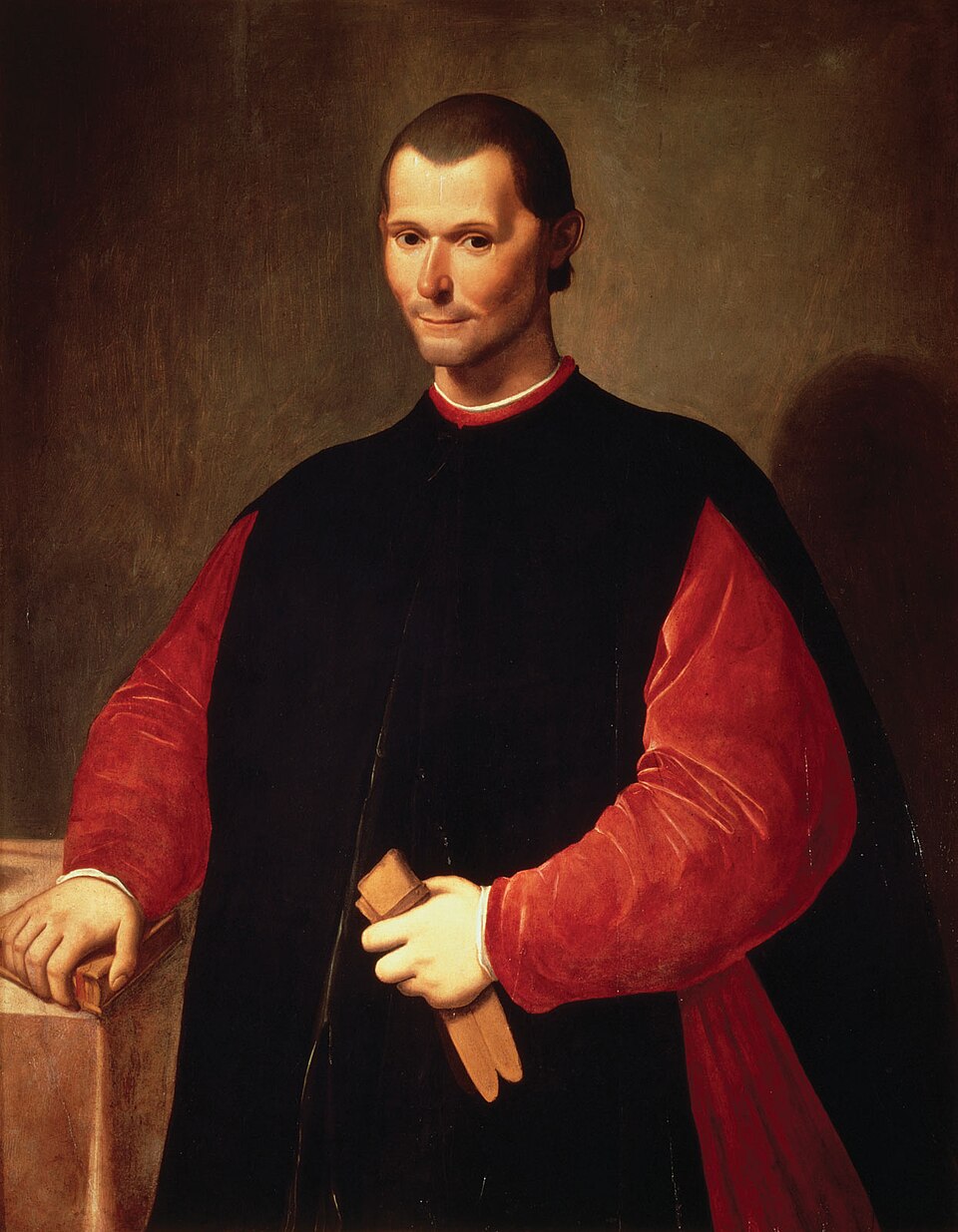
A president sues a great journal for ten billion dollars and loses with the judge calling the case “grasping at straws.” That is not a legal episode; it is a drama of power. The article concerned a letter bearing his name, birthday wishes to Jeffrey Epstein, framed, they say, by the outline of a naked woman drawn in heavy marker. A man signs a ten‑foot protest installation mocking this on the National Mall. District Judge Darrin Gayles dismisses the suit with prejudice, finding no proof of “actual malice.” The prince goes to law to defend his name; the effectual truth is that his enemies keep their pens and gain a story.
When I wrote *The Prince*, I said that most men judge by the eye rather than the hand, and that appearance is itself a powerful arm, as W. K. Marriott later translated my thought. Here the prince understands that much. He sees the danger in the picture: him posed with Epstein at Mar‑a‑Lago in 1997, his alleged letter reproduced, his name joined in the people’s imagination to a disgraced financier. Reputation is a kind of fortress; if it falls, all other walls soon follow. To rush out and fight on that field is not folly; it is necessity.
But necessity does not excuse bad art of war. A libel suit in such a republic is a form of artillery. Its power depends on strict conditions: evidence of falsehood, proof of “actual malice,” a terrain of law where public discussion is not sacred. Here the terrain is hostile. The First Amendment, as your jurists describe it, is built on the very principle I praise in the *Discourses*: that free peoples must discuss grievances and remedies without fear, or else hatred festers in silence. To march legal auxiliaries against that fortress, with thin proof, is to send mercenaries up a sheer wall.
The judge notes the Journal’s “thoughtful and detailed investigation” and concludes the suit has not alleged facts to show knowing falsehood. This is the decisive wound. A prince can threaten critics with force only if he can also promise the judges a plausible story. Otherwise he reveals not strength but impotence. In my time, those who lacked their own good arms hired condottieri and then watched them flee. Here the condottieri are arguments poorly supplied with facts. They rout at the first encounter, and it is the commander’s stature that suffers. A ten‑billion‑dollar threat that collapses in twenty pages teaches everyone how far they can go next time.
Some will say: even a failed blow warns others that crossing this prince brings trouble. I doubt it. The spectacle enlarges the original offense. Before, there was an article about an alleged birthday book from 2003, with obscene framing and ambiguous authorship. After the suit, there is a federal judgment, fresh headlines, protest art ten feet tall, all repeating the association of names. The prince has taken what might have been a passing insult and stamped it into the chronicles. Severity must be well‑used or not used at all. To strike and miss is the middle course, which has all the risks of violence and none of its security.
Consider the imbalance of occasion and virtù. Occasion favored restraint. The article already acknowledged its limits, speaking of a letter “bearing Trump’s name.” The Journal showed its investigation; the judge emphasizes its care. The people of this republic are accustomed to harsh words about their rulers; they discount much as noise. A shrewd prince exploits such custom: he lets his enemies shout until their voices tire, answering with better counsels, not with censorious law. Here the prince instead seizes the occasion for combat without the instruments to win it. In my terms, fortune opened a door to magnanimity; he chose litigiousness and then lost even that.
The deeper danger is to the balance between great men and the people. When leaders try to silence reports by judicial force, free citizens rightly test their limits. The protest installation on the Mall is not just mockery; it is a plebiscite on whether speech about the powerful may stand. This time the institutions held: the First Amendment shielded discussion; the judge called the claim what it was; the journal kept its tongue. But each failed overreach teaches both sides. Princes learn where they cannot go; writers learn how far they may. In such games, reputation belongs not to those who shout the most, but to those the law refuses to muzzle.
In sum, this was an expenditure of authority without return: an assault on critics launched in bad ground, with weak arms, against a fortress built on free discussion, leaving the attacker more exposed than before.
From the works cited
- The Prince — Arms of one's own versus mercenaries and auxiliaries: power borrowed is power owed, and it will be collected at the worst moment.
- The Prince — Appearances are a hard currency of power: most people judge by the eyes rather than the hands, by results rather than processes.
- The Prince — Occasione: the new prince needs the matter (a crisis, a vacuum) and the virtù to shape it — opportunity without capacity is a tragedy, capacity without opportunity a biography nobody writes.