Tuesday, November 10, 2026
Third Opinion

The dead argue about the news. You pick your side.

The story

Sunday, November 1, 2026

Legal and Political Disputes Surround Alaska Senate Race and Ballot Counting

Legal and Political Disputes Surround Alaska Senate Race and Ballot Counting
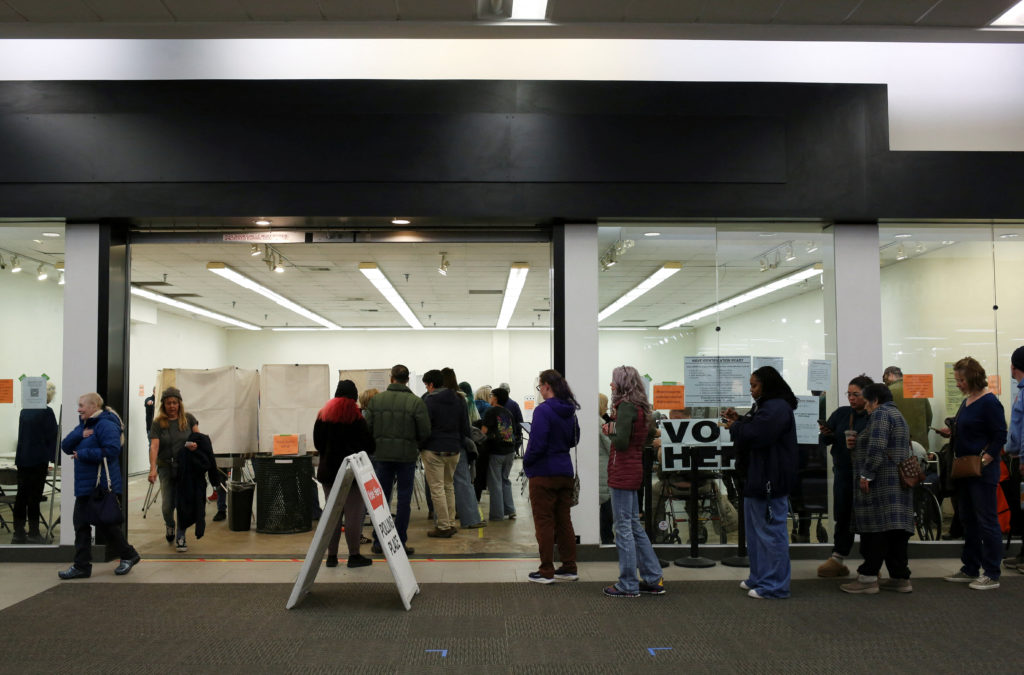
Photo: PBS NewsHour

The Alaska Senate race has become a focal point of legal and political contention. The Trump administration filed a lawsuit seeking to oversee ballot counting and certification, citing a 1990s law on voter registration integrity, but argued the case should be dismissed to allow state officials to proceed without federal interference. Alaska's Republican Governor Mike Dunleavy initiated a state probe following controversy over ballot placement involving candidate Sullivan. The race is notable as it involves the only Republican-held Senate seat in a state carried by Kamala Harris in 2024. The Cook Political Report identifies seven competitive House seats nationwide, including two toss-ups, while noting Texas has not elected a Democrat statewide since the early 1990s. Media coverage includes analyses of the Alaska Senate race and the impact of ranked choice voting on the election outcome.

Sourcespbs.orgbbc.co.ukpbs.orgnpr.orgmotherjones.commotherjones.commotherjones.comnpr.orgmotherjones.comnpr.orgnpr.orgreason.compbs.orgnytimes.comnytimes.com

The takes

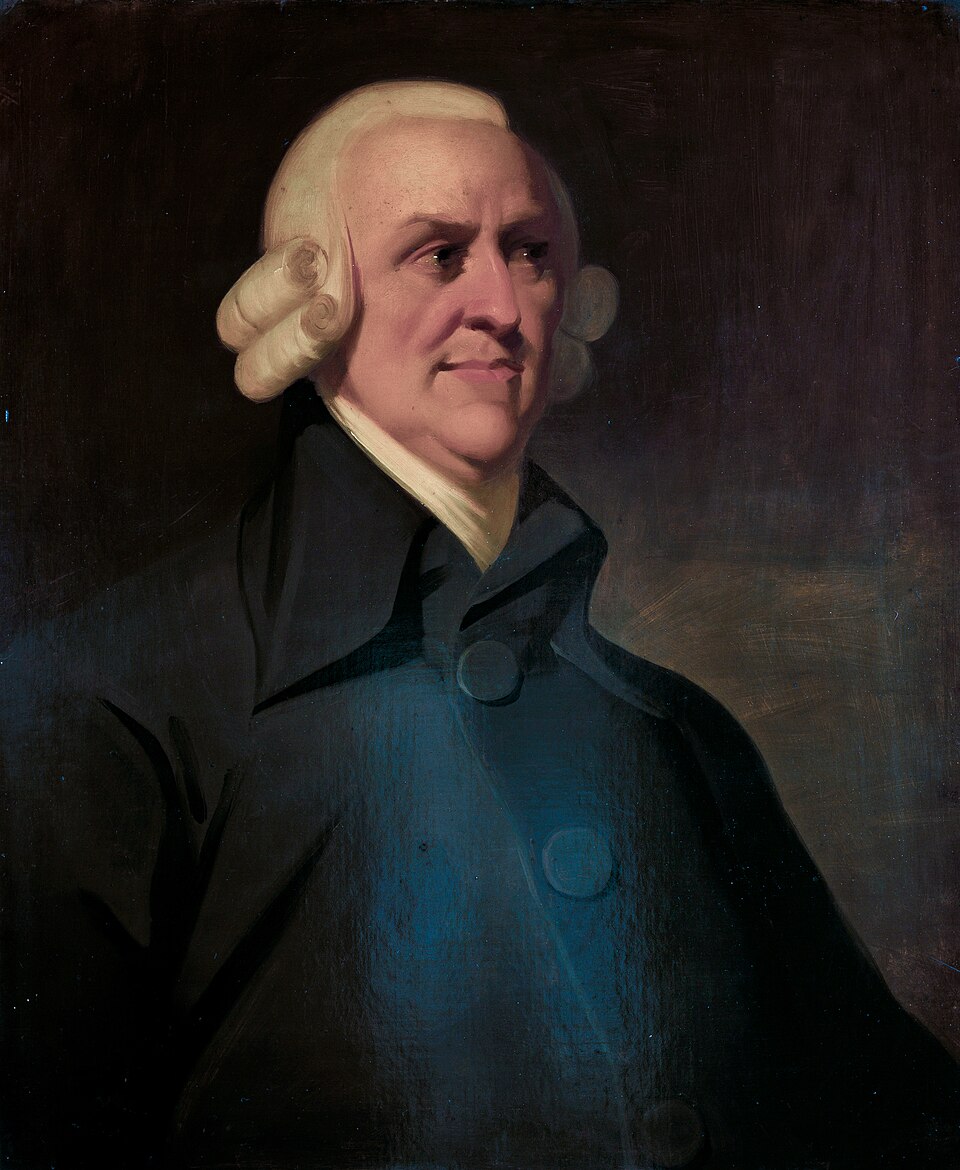
  • Portrait of Adam Smith

    Adam Smith

    1723–1790, Scotland (the Scottish Enlightenment: Kirkcaldy, Glasgow, Edinburgh)

    Decoy Candidates and the Corruption of the Political Market

    When campaigns toy with voters’ confusion by recruiting namesakes as spoilers, they do not compete; they collude against the public, and the impartial spectator turns away in disgust.

    The spectacle from Alaska is at once novel in its details and drearily familiar in its spirit. In a closely watched Senate race, it is alleged that operatives backing one candidate helped recruit a retired schoolteacher who happens to share the name of the incumbent, placing a second version of that name upon the ballot in hopes that some citizens, hurried or inattentive, might choose the wrong one. Governors denounce, national parties seize upon the controversy, newspapers parade text messages and finance records, and lawyers debate whether criminal charges are possible. Yet beneath this bustle of accusation and counter‑accusation lies a simpler question: what kind of competition is it that endeavours to win, not by persuasion, but by the voter’s mistake?

    Read the essay
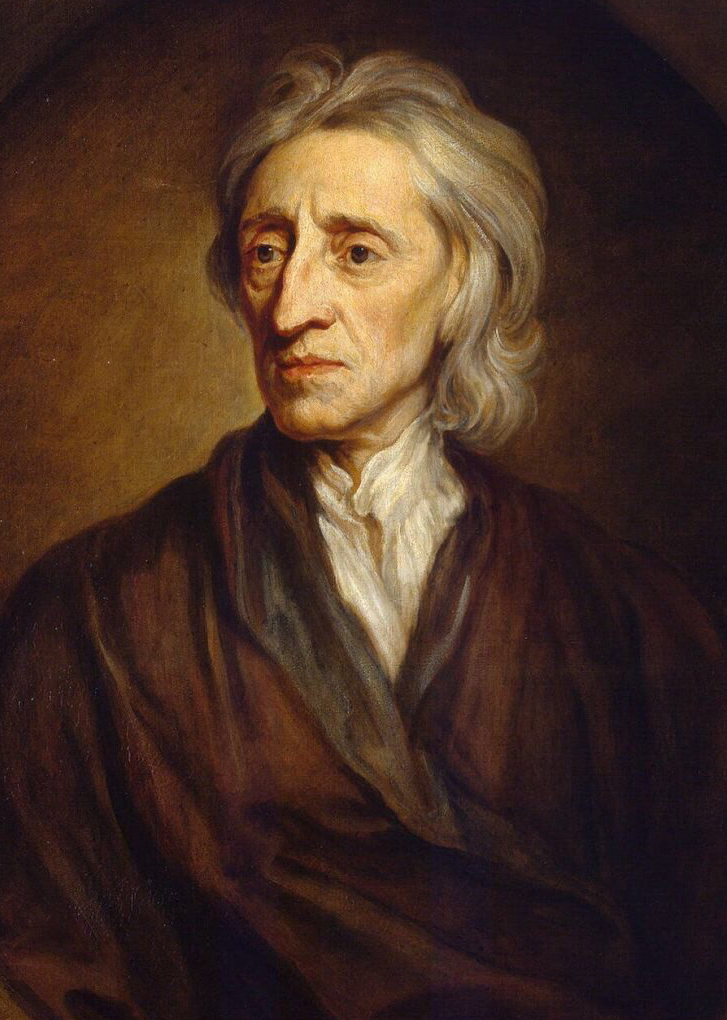
  • Portrait of John Locke

    John Locke

    1632–1704, England (writing amid the Exclusion Crisis and the Glorious Revolution)

    A Decoy on the Ballot Is an Assault on Consent

    If a campaign contrived a namesake candidate to mislead voters, it did not compete for power but usurped it; yet accusation is not proof, and only an impartial inquiry can keep this controversy from doing further violence to the public trust it already strains.

    In Alaska, I am told, there now stands a grave quarrel not only about who shall sit in the Senate, but about the manner in which men and women are brought to give their votes. One candidate bears the name Sullivan, and another candidate, also named Sullivan, was allegedly recruited with the design that some voters, intending one, might through confusion cast their ballots for the other. A state governor has condemned this stratagem and opened a probe; national officers, on another side, have spoken of federal duties to preserve the “integrity” of elections and even sought to set aside ballots. The New York Times and others report texts, money, and managers; yet those accused deny knowledge. So the facts stand contested, and the people look on.

    Read the essay
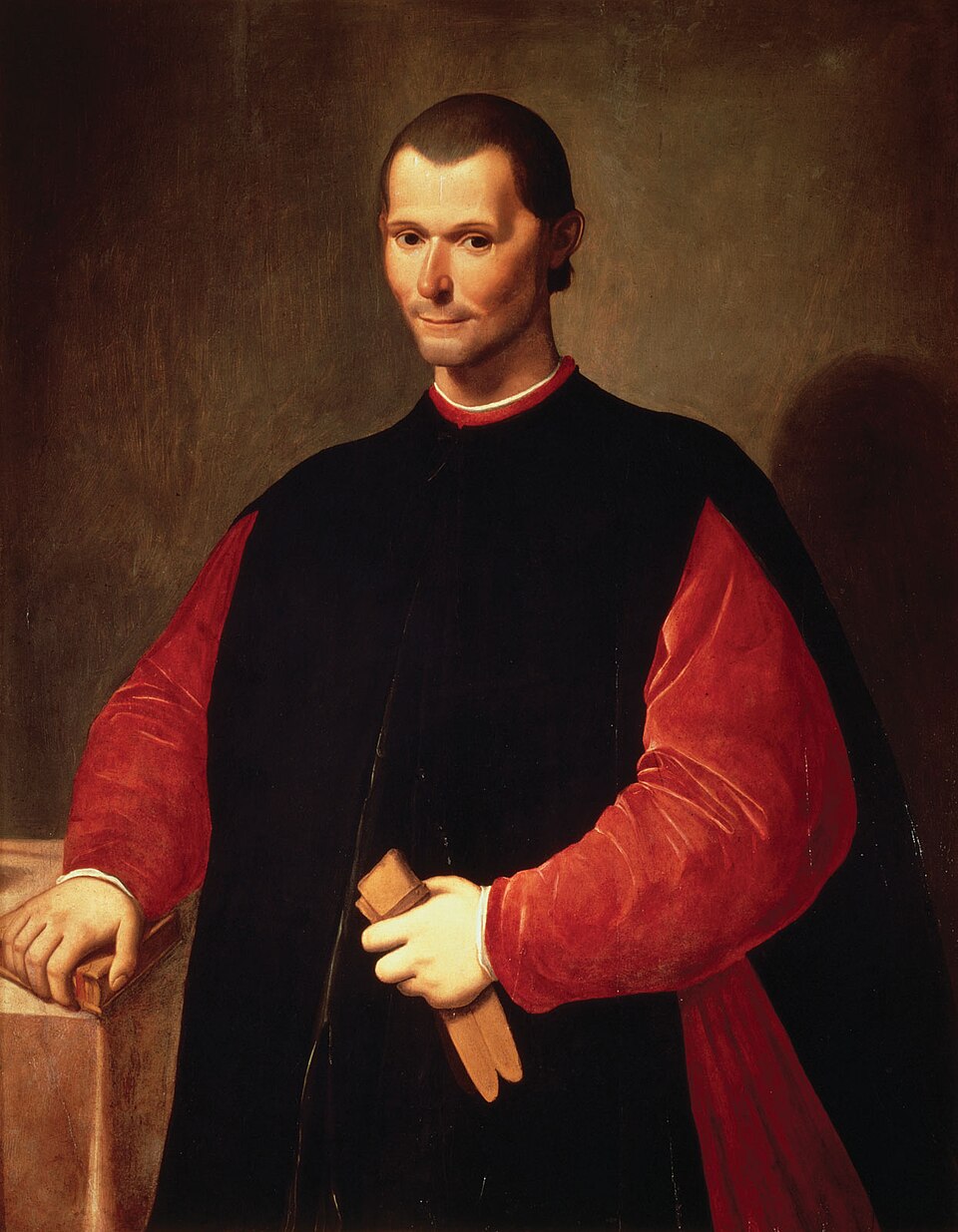
  • Portrait of Niccolò Machiavelli

    Niccolò Machiavelli

    1469–1527, Florence (republican secretary and diplomat, then exile, amid the Italian Wars)

    In Alaska, the Fox Learns Ranked Choice

    The decoy candidate in Alaska’s Senate race is not a scandal of morals but a lesson in how free states must harden their laws when clever operators find the seams.

    Begin with the indecency itself: in Alaska, a retired schoolteacher with the same name as the sitting Republican senator appears on the ballot, and reporters trace his recruitment to Democratic operatives backing his opponent. Allies of the senator call it a fraud; allies of the challenger say such name games are common and that she knew nothing. A newspaper publishes texts and finance records; a governor denounces; a former president demands prosecutions and that ballots be set aside. Here you have not a tragedy but a very modern comedy of elections, where everyone claims to defend “integrity” while testing how far they can bend it.

    Read the essay