Trump Criticizes Former Lawyer Alina Habba Mildon's $50 Million Deal
A $50 Million Pardon and the Price of Public Trust
When a government lawyer signs a fortune-sized contract with the family of a man seeking mercy from that same government, the real commodity at sale is confidence in equal justice.
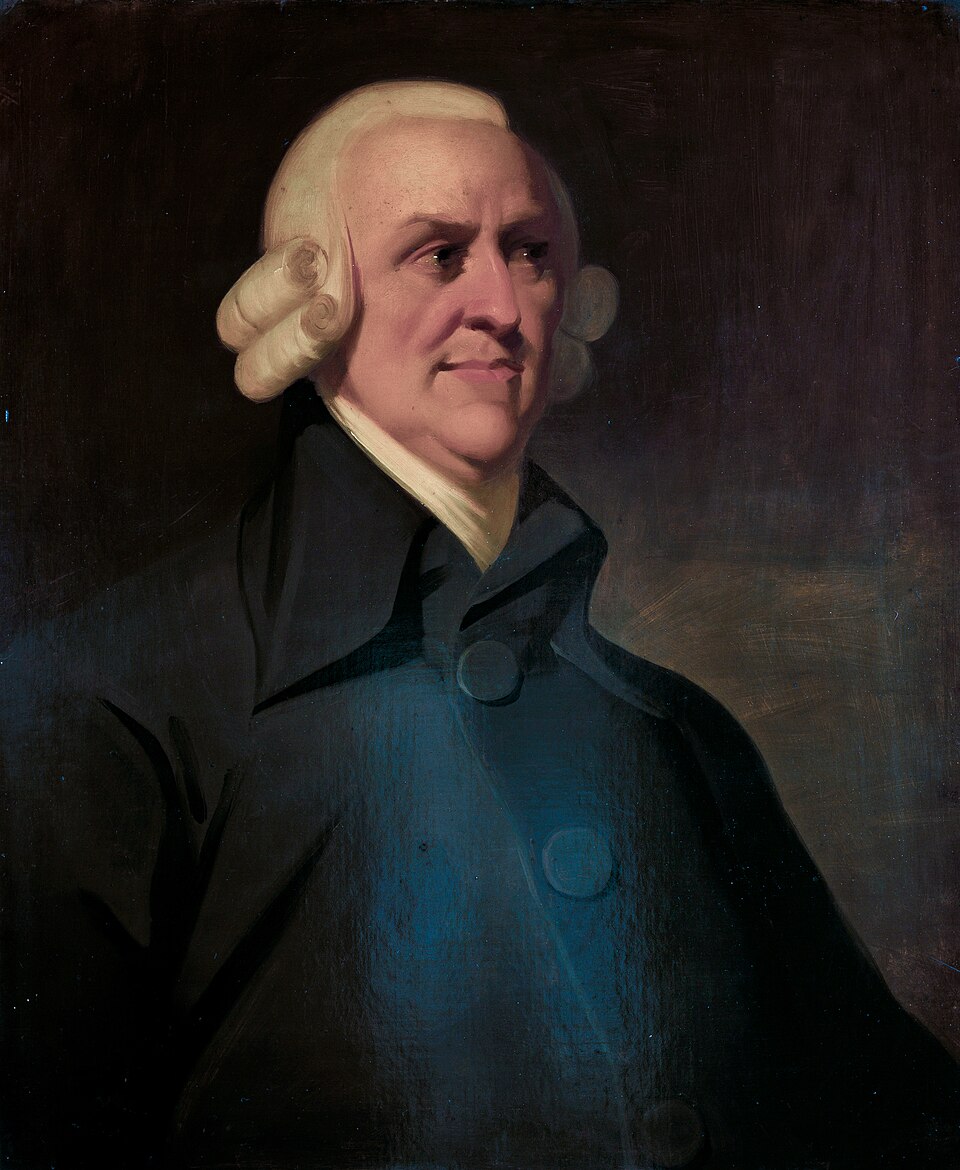
The scene, I am told, was festive: a Halloween gathering in a Florida mansion, masks on faces and, it seems, also on motives. There, a president publicly condemned as “obnoxious” and “not acceptable” a contract exceeding $50 million, signed by one of his former lawyers with the family of a Venezuelan banker who later received his pardon. The lawyer insists she was never paid to obtain a pardon, never discussed one with the government, never worked to secure such a favour. Perhaps every word is literally true. Yet when a public official, employed at the department that helps administer justice, enters such a bargain with a supplicant for mercy, the impartial spectator already knows enough to blush.
In The Theory of Moral Sentiments I suggested that we judge ourselves by imagining how a well‑informed, disinterested observer would view our conduct. Let that observer consider this arrangement. A government lawyer, entrusted to act for the public, accepts a promise of more than $50 million from the family of a man seeking relief from that same public power. Later, the pardon is granted. No document need record a corrupt agreement; the price itself, the timing itself, performs the office of a witness. What such an observer chiefly sees is not a crime proved, but a trust casually risked for an enormous private stake.
Markets put a price upon many things, and by that price distribute labour, capital, and risk. In commerce, where each party spends his own money and bears his own loss, I have praised this discipline, and even allowed that an invisible hand may sometimes guide self‑interest to public benefit. But when access to public grace acquires a market price, when families of the accused may hire not merely counsel but a kind of spiritual broker close to the fountain of mercy, we approach a different species of trade. Here, the loser is not the rival bidder, but the multitude who cannot dream of paying $50 million for what they had been told was justice, blind and unbought.
In the Wealth of Nations, I warned that people of the same trade are ever in danger of conspiring against the public, especially when they can raise prices by narrowing competition. The trade here is not banking or law as such, but influence upon the acts of clemency. Once it is known that a pardon may be pursued through private retainers with inside connections, a new market is opened where only the richest criminals may seriously compete. Lesser offenders, and still more the labouring poor entangled in the law, remain confined to the narrow path of formal procedure, while the affluent discover a spacious highway of personal contracts and discreet understandings.
Some will reply that presidents and princes must hear petitions, that counsellors must be paid, that many innocent men require advocates of talent and energy. All this is true, and to confound every honourable retainer with corruption would be unjust, and would itself offend the impartial spectator. Yet the difficulty is not that a lawyer is paid, but that a public servant, still wearing the livery of the state, accepts such an immense private promise from those whose fortunes depend upon the state’s grace. It is a scheme that can operate safely only if all concerned possess unusual virtue, and any institution that relies on uncommon heroism for its daily security is, in effect, designed to fail.
We should also observe how visible benefits and invisible costs are here distributed. The banker’s family, if the reports be accurate, concentrate in themselves the gain of a favourable decision and the hope of restored respectability. The lawyer concentrates a fortune. The president, in denouncing the bargain, may even gather a little cheap credit for probity. The costs, by contrast, fall thinly on millions: on every honest prosecutor whose motives are now suspected, on every judge whose sentence seems provisional upon future lobbying, on every citizen tempted to believe that the law is but a luxury good. No line appears in any budget for this expenditure of trust, yet it may prove the dearest charge of all.
The state has, among its few essential duties, the exact administration of justice. Mercy is a noble part of that office, but it must be seen to flow from public reasons, not from private retainers. If rulers will continue to exercise the power of pardon, they must hedge it about with rules that separate decisively the public role from the private bargain: not to gratify the envy of the poor against the rich, but to preserve for rich and poor alike the belief that law, though often imperfect, is not simply another trade. Once that belief is squandered, no sum, whether $50 million or five, will buy it back.
From the works cited
- An Inquiry into the Nature and Causes of the Wealth of Nations — The critique of mercantilism: wealth is not money; policies rigged by merchants and manufacturers sacrifice the consumer to the producer.
- The Theory of Moral Sentiments — Judge conduct by the impartial spectator: what would a well-informed, disinterested observer feel about this action?