Trump Criticizes Former Lawyer Alina Habba Mildon's $50 Million Deal
Trump, the $50 Million Lawyer, and the Price of Half-Measures
By condemning his ex-lawyer’s pardon deal as “obnoxious and outrageous,” Trump defends his image but not his institutions—and that is how a republic corrodes itself in plain sight.
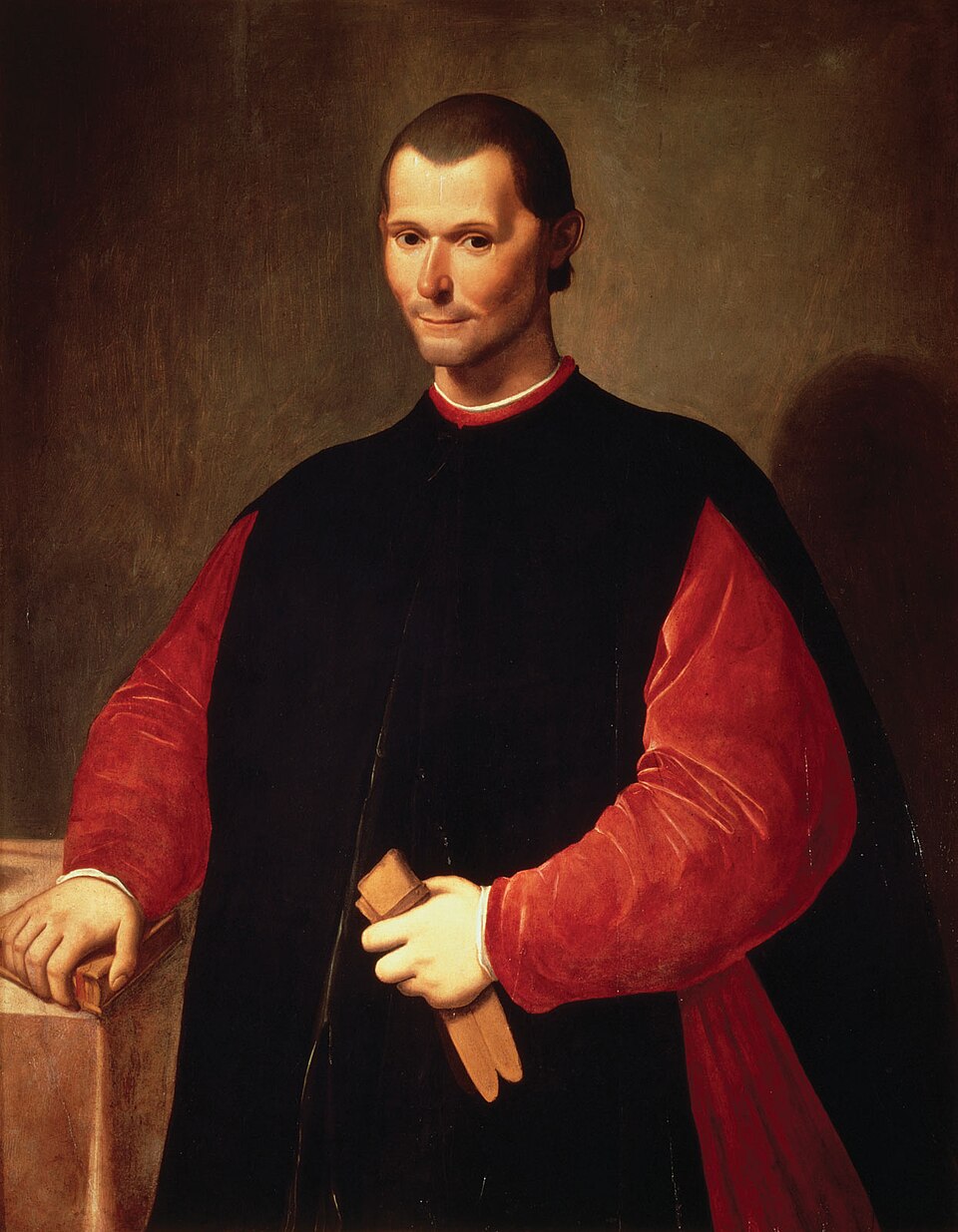
A president at a costume party denounces his former lawyer; this is already a good Florentine scene. In Florida, at a Halloween event, President Trump calls Alina Habba Mildon’s alleged $50 million contract tied to a Venezuelan banker’s pardon “obnoxious and outrageous” and “not acceptable.” The New York Times has reported on the contract; other outlets repeat the story. Habba Mildon replies that she never took money to obtain a pardon, never discussed a pardon with the White House or the Justice Department, never worked to secure one. The effect is not edifying: a president fuming in public, a former confidante protesting, and a vast sum of money dangling between them like a chandelier about to fall.
Let us leave sermons to the preachers. In politics, I learned in Florence that men move by interest, appetite, and habit, not by the angels’ rulebook. Here we have a lawyer who, according to reports, signs a four-year contract worth more than $50 million with a company owned by a banker’s family while she is in the Justice Department, and a president who later grants that banker a pardon. Whether she “sold” a pardon is still contested; she denies it. But the money, the timing, and the pardon together create a powerful appearance, and appearances in state business are not decoration, they are a line item in the budget of power.
When I wrote The Prince, I said, in W. K. Marriott’s translation, that “how one lives is so far distant from how one ought to live, that he who neglects what is done for what ought to be done, sooner effects his ruin than his preservation.” The effectual truth here is simple. A presidential pardon is among the highest discretionary powers in your system. If those around the prince appear to trade on it, the people conclude the court is a marketplace, not a magistracy. The lawyer’s contract, the banker’s need, and the later pardon may all be explained in a hundred innocent ways, but institutions do not live on explanations; they live on trust.
The president’s survival incentive is just as clear. He must preserve his power and reputation. So he rushes to condemn the deal as “obnoxious and outrageous,” insists it is “not acceptable,” and, according to reports, even tells allies she should donate some of the money to his future library or organizations bearing his name. This is textbook narrative control: push the taint onto the subordinate, pose as the shocked paterfamilias, hint that any ill-gotten gains ought to flow back to the leader’s banner. It is a familiar maneuver in every court—from the Medici palace to Mar-a-Lago—where the prince must remain the judge, never the accomplice.
Yet here the technique is clumsy. Severity that is merely verbal is not severity. If he truly believes the contract corrupts the dignity of the pardon, his options are to demand a full legal inquiry, to sever ties in unmistakable fashion, or to defend the conduct openly as lawful and proper. Instead we see the middle course: harsh words at a party, no clear institutional action, and the suggestion that a portion of the money might be redirected to projects linked with his name. This is precisely the kind of half-measure I warned against—one which incurs the odium of scandal without earning the credit that comes from genuine reform.
From the standpoint of a republic, the more serious danger is not whether one president protects or denounces one lawyer, but whether the people come to see all justice as an auction. In my Discourses I argued that a free people, if given institutions that let them see and punish fraud, can be wiser and more constant than a prince. Here, however, the relevant institutions—prosecutors, internal watchdogs, legislators—are hardly visible in the story. It becomes a duel of statements and leaks, not a public reckoning. Where tumults are channeled into courts and tribunes, liberty is strengthened; where they are confined to gossip, corruption spreads roots.
You will say, perhaps, that the facts are not all known, that investigations may be under way, that prudence counsels restraint. Fair. But prudence in the face of suspected corruption does not mean theatrical indignation and institutional passivity; it means quiet inquiry followed by conspicuous justice. If the deal was lawful and unrelated to the pardon, show it, document it, and defend it. If it was not, prosecute it. What a prince cannot afford, and a republic even less, is the impression that $50 million can sit beside a presidential favor and no one in authority has either the courage to endorse it or the courage to punish it. When money and mercy mix, only transparency can keep the state from smelling of the market.
In Florence we learned, at great cost, that once a people believes offices and graces are bought, not earned, their loyalty shifts from laws to patrons, from patria to purse. That is when citizens become clients and the republic becomes a stage set around a private court. Trump’s angry words at a Halloween party are an instinctive defense of his personal image, and in that sense understandable. But they do not yet defend the honor of the laws that give his words weight. To rule well is to know that controlling appearances is not enough; one must also discipline reality so that the appearance can stand.
From the works cited
- The Prince — The economy of violence and the feared/loved calculus: better feared than loved if one must choose, but never hated — fear rests on the prince's will, love on the fickle will of others.
- The Prince — Appearances are a hard currency of power: most people judge by the eyes rather than the hands, by results rather than processes.