
Tuesday, November 10, 2026
Third Opinion

The dead argue about the news. You pick your side.

The story

Tuesday, November 3, 2026

At least 33 killed in Zaporizhzhia attack; 62 wounded in Kharkiv strikes

At least 33 killed in Zaporizhzhia attack; 62 wounded in Kharkiv strikes
Photo: BBC World

On Monday night, a glide bomb attack in the southern Zaporizhzhia region of Ukraine resulted in at least 33 confirmed deaths. Ukrainian President Volodymyr Zelensky indicated that the death toll could increase as more than 50 individuals remain trapped under the rubble. Separately, in the northeastern Kharkiv region, a combined Russian missile and drone attack wounded at least 62 people, according to local authorities. These incidents reflect ongoing hostilities affecting multiple regions in Ukraine.

Sourcesbbc.co.uknpr.orgnpr.org

The takes

  • Portrait of Adam Smith

    Adam Smith

    1723–1790, Scotland (the Scottish Enlightenment: Kirkcaldy, Glasgow, Edinburgh)

    Bombs Against the Helpless Are Not Defence but a Tax on the Living

    When missiles fall on aid centres, hospices and hospitals, the true ledger is written not in glory or security but in the broken lives of the labouring poor who pay a tax of blood and fear for other men’s projects of power.

    In the southern part of Ukraine, we are told, a glide bomb has left at least thirty‑three dead, with perhaps fifty more buried in the ruins; elsewhere, missiles and drones have struck an aid distribution site, a hospice, a hospital, wounding scores, many of them elderly and infirm. A short ceasefire in another region allowed people the modest luxuries of coffee, a walk with a friend, the simple wonder of seeing one’s own hometown in daylight without drones overhead; then the ordinary business of bombardment resumed. This, we must be clear, is the scene to be judged: not armies meeting in the field, but organised violence directed at those who can neither resist nor profit from it.

    Read the essay

  • Portrait of John Locke

    John Locke

    1632–1704, England (writing amid the Exclusion Crisis and the Glorious Revolution)

    Bombs over Aid Centers Are Not War but Usurpation

    When a power turns its weapons upon civilians at hospitals, hospices, and aid lines, it steps outside the bounds of lawful government and places itself in a state of war with the people it wounds.

    In recent days, reports from Ukraine speak of dead and wounded not only on fields of battle, but in places set apart for relief and healing. An aid centre in the south, where people had gathered to receive humanitarian assistance, is said to have been struck so that scores were killed and dozens remain missing under the ruins. A hospice in Dnipro is reported attacked; a hospital in Kharkiv hit by missiles and drones, with many of the injured described as elderly patients. These are not men in arms confronting each other in the open, but civilians seeking help, the sick in their beds, and rescuers pulling survivors from rubble already once destroyed.

    Read the essay
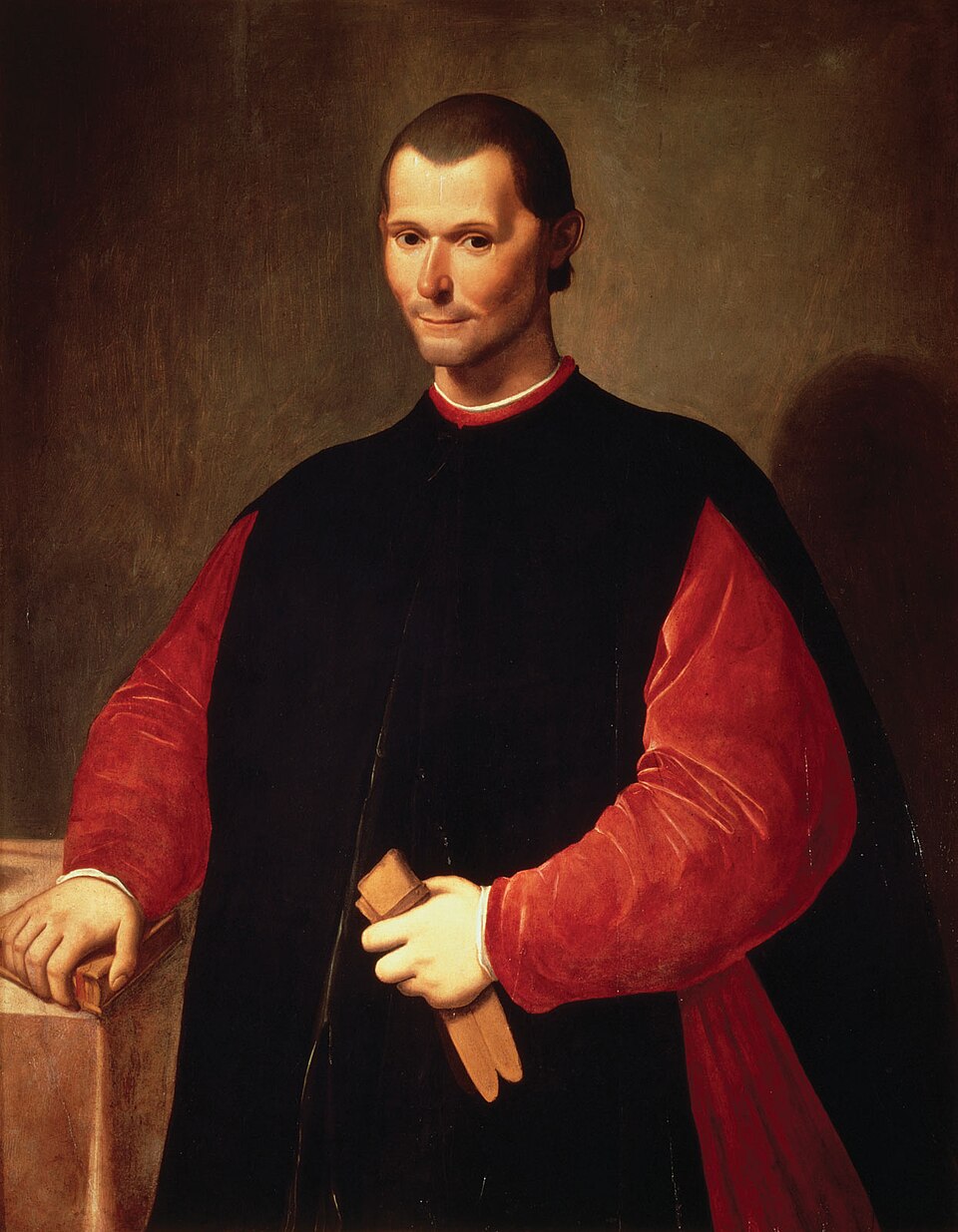
  • Portrait of Niccolò Machiavelli

    Niccolò Machiavelli

    1469–1527, Florence (republican secretary and diplomat, then exile, amid the Italian Wars)

    Short Ceasefires, Long Wars

    In Ukraine’s battered cities, a day of coffee and quiet under a ceasefire collides with nights of bombs on aid centers and hospitals, and between these two tempos lies the most dangerous course a state can take.

    I begin from what is done, not what is preached. In one day, a glide bomb in the Zaporizhzhia region leaves at least 33 dead, with more than 50 people feared under rubble. In the same span, strikes on an aid center, a hospice, and a hospital kill at least 38 civilians and wound many more; in Kharkiv alone, some 73 people are said to be injured, most of them elderly patients. This is not the war of manifestos. It is a war where people waiting for food and medicine are buried instead. The effectual truth is simple: Russia chooses to strike what keeps Ukraine’s civilians alive.

    Read the essay