At least 33 killed in Zaporizhzhia attack; 62 wounded in Kharkiv strikes
Bombs Against the Helpless Are Not Defence but a Tax on the Living
When missiles fall on aid centres, hospices and hospitals, the true ledger is written not in glory or security but in the broken lives of the labouring poor who pay a tax of blood and fear for other men’s projects of power.
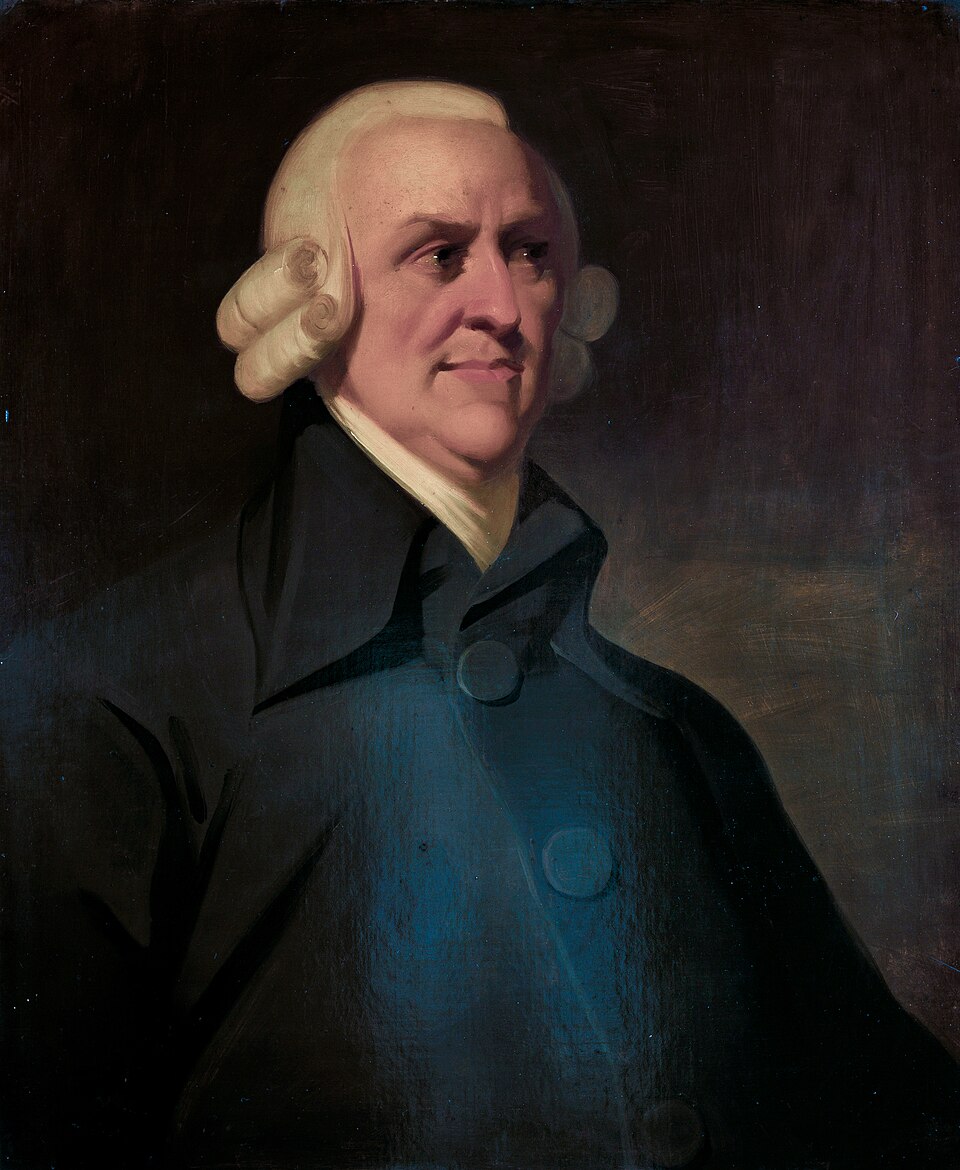
In the southern part of Ukraine, we are told, a glide bomb has left at least thirty‑three dead, with perhaps fifty more buried in the ruins; elsewhere, missiles and drones have struck an aid distribution site, a hospice, a hospital, wounding scores, many of them elderly and infirm. A short ceasefire in another region allowed people the modest luxuries of coffee, a walk with a friend, the simple wonder of seeing one’s own hometown in daylight without drones overhead; then the ordinary business of bombardment resumed. This, we must be clear, is the scene to be judged: not armies meeting in the field, but organised violence directed at those who can neither resist nor profit from it.
When I wrote of the sovereign’s duties in the Wealth of Nations, I began with defence: every political community has a right, and indeed an obligation, to protect itself against aggression. But defence is a shield, not a scourge; it guards the innocent, it does not select them as targets. We may dispute many refinements of international jurisprudence; we do not need subtle law to see what is before us when nine vast aerial bombs are dropped upon a town as residents gather for humanitarian aid, or when a hospice and a hospital are smashed and patients hurriedly dragged to other buildings. To call this defence stretches language past the point at which an honest man can keep a straight face.
I have long urged that we judge any policy by tracing its effects through the whole of society, and especially through the condition of the labouring poor, whose consumption is the surest measure of a nation’s real wealth. What, then, is the economic meaning of such attacks? They do not conquer territory; they do not directly gain markets; they plainly do not spare expense. They function instead as a most dreadful tax, levied in terror rather than in coin. The payment is made in ruined homes, interrupted medical care, lost working days, the constant need to suspend ordinary business because the next drone or missile may be aimed at the very place where help is distributed or healing performed.
Men act, in war as in trade, according to the motives actually exhibited to them, not those an exhorting moralist might wish them to feel. Someone has concluded that striking the sick, the old, and those waiting for food may break the spirit of a people, may clog their logistics, may make peace on disadvantageous terms appear less intolerable than continued suffering. I do not doubt the cold rationality of that calculation; I only observe that it is a calculation made wholly outside the rules of justice. In The Theory of Moral Sentiments I tried to show that, without the strict observance of justice, society would crumble; here we see not a crumbling but a deliberate chiselling away of its very foundations.
Let us summon the impartial spectator, that well‑informed but disinterested judge who resides in the breast of every man not wholly corrupted. Place before him the image of villagers gathered for aid, of patients in a hospice, of the wounded carried from a shattered hospital, and then inform him that these were chosen as targets. He may understand the wish to weaken an enemy; he cannot, without violence to his own sentiments, approve the means. Praise might be sought from flatterers who talk of resolve or strategic necessity, but praise‑worthiness is another thing entirely; the man who wins by trampling the unarmed may be feared, may even be outwardly honoured, but he cannot, in his own cool hours, honestly think himself the object of esteem.
In commercial life I advised that we regard with the most suspicious attention every proposal of regulation made by merchants, who so often contrive a conspiracy against the public. In war, the same structural suspicion applies to every justification advanced for violence that falls chiefly on civilians. Those who command such instruments of destruction possess, like great traders, both power and interest; they are tempted to represent their actions as sad necessities of security, when they are rather the rough tools of domination. The language of national honour or patriotic duty, so employed, is but the old trick of the masters of mankind, who would have all for themselves and nothing for other people, and are content that others pay the price.
The duties of the state remain what I took them to be: defence, justice, and certain public works and institutions which private interest alone will not provide. Nothing in that catalogue licenses the terrorising of one’s neighbours’ sick and hungry in order to bend their rulers’ will. Even if such methods procured a quicker peace, it would be a peace founded on resentment, impoverishment, and the degradation of moral sentiments on both sides. A society that grows accustomed to seeing the feeble as fair game in war will not long scruple to treat them as expendable in peace. Where the weakest are made the cheapest pieces on the great chess‑board of human affairs, the game itself ceases to deserve the name of civilised society.
From the works cited
- An Inquiry into the Nature and Causes of the Wealth of Nations — The sovereign's three duties (defence, justice, public works and institutions) and the measure of policy by the real consumption of the labouring poor.
- The Theory of Moral Sentiments — The impartial spectator internalized: moral judgment through the perspective of a fair and well-informed observer.