Saturday, July 11, 2026
Third Opinion

The dead argue about the news. You pick your side.

The story

Friday, July 10, 2026

Maine Democrats to Select Replacement for Senate Candidate Graham Platner

Graham Platner, who received over 150,000 votes in the Maine Democratic Senate primary, has officially withdrawn from the race. The Maine Democratic Party has until July 27 to choose a replacement candidate. Party leaders noted increased energy and enthusiasm among Maine Democrats, partly inspired by Platner's campaign.

Sourcesmotherjones.comreason.compbs.orgreason.com

The takes

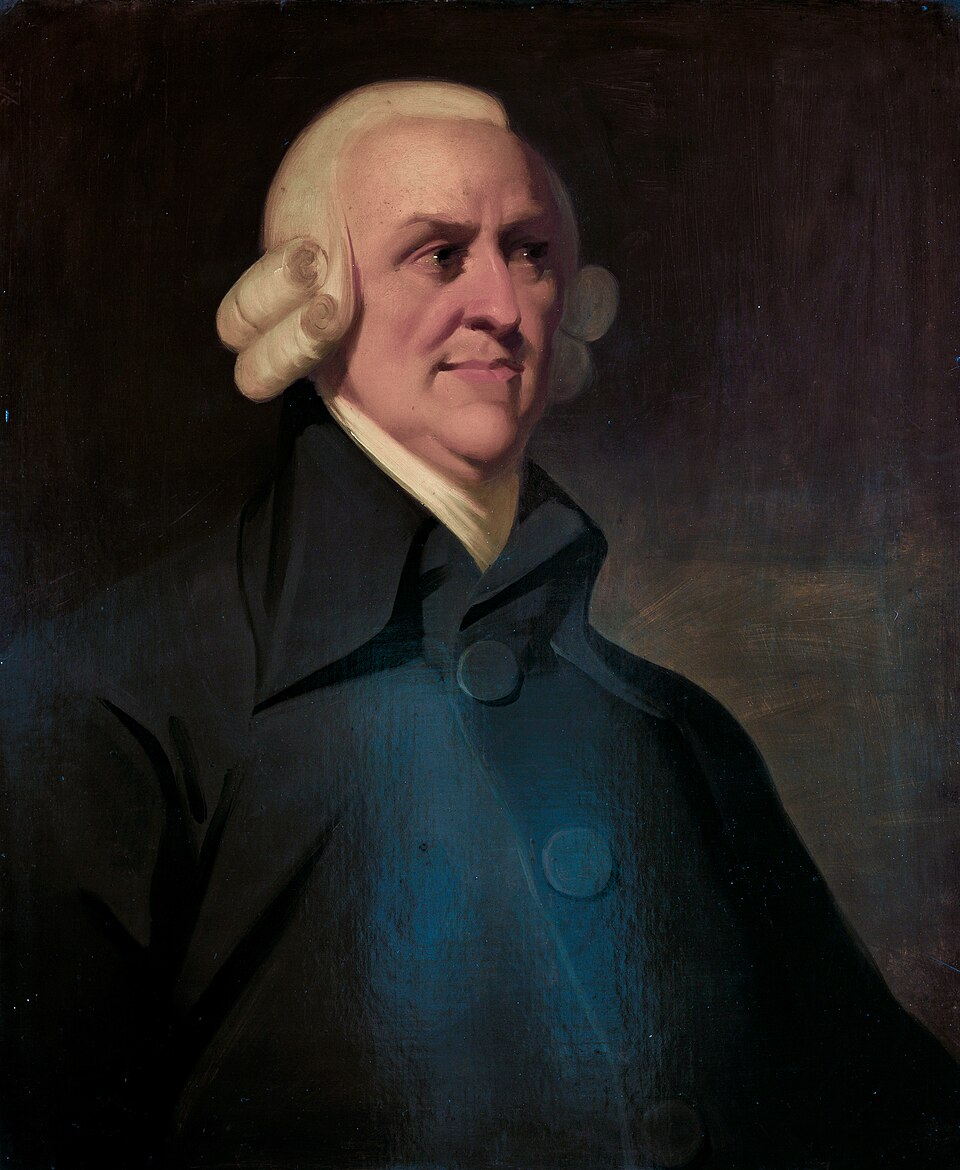
  • Portrait of Adam Smith

    Adam Smith

    1723–1790, Scotland (the Scottish Enlightenment: Kirkcaldy, Glasgow, Edinburgh)

    When Parties Repossess the Ballot Line

    When a primary winner steps aside and party leaders step in, the question is not legality but who now owns the choice that was meant to belong to the people.

    A candidate in Maine, having received what is described as more votes than any previous aspirant for his party’s Senate nomination, now declares that although his name is on the ballot, “that ballot line belongs to the people of Maine.” It is a generous sentiment, uttered at the precise moment when events proceed in the opposite direction. For he is not merely praising the people; he is withdrawing from the contest, and his party, we are told, will select a replacement by a certain date. The line may belong to the people in poetry; in prose, it presently belongs to a committee empowered to turn past enthusiasm into a new, very different, choice.

    Read the essay

  • Portrait of John Locke

    John Locke

    1632–1704, England (writing amid the Exclusion Crisis and the Glorious Revolution)

    A Ballot Line Is Not a Blank Check

    When a party replaces a candidate who has won the people’s votes, it must show not convenience but clear consent—or else it toys with usurpation in democratic dress.

    I am struck first by the sentence: “My name might be on the ballot right now, but that ballot line belongs to the people of Maine.” In a few words it confesses a truth that many rulers, ancient and modern, strain to forget. The office, the place on the paper, the title and its advantages, are not the property of the aspirant or the party but of the people, whose free choice clothes one particular person with authority. Here a man who has received over 150,000 votes now withdraws, and a small council is empowered to select another in his stead. The people gave their voices for one; others will decide who stands in that one’s place.

    Read the essay
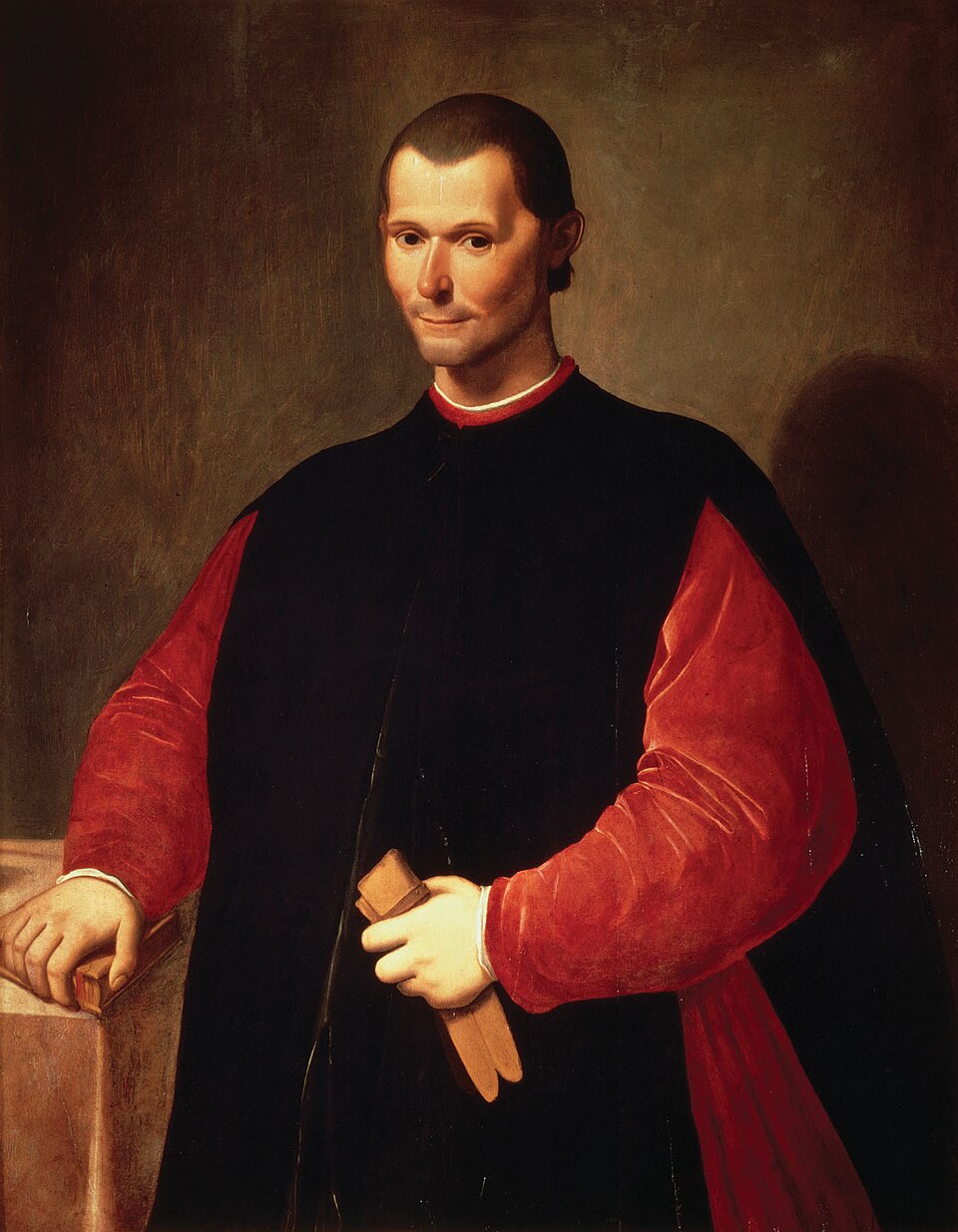
  • Portrait of Niccolò Machiavelli

    Niccolò Machiavelli

    1469–1527, Florence (republican secretary and diplomat, then exile, amid the Italian Wars)

    A Candidate Walks Away From 150,000 Votes

    When a man abandons a record-breaking mandate, the burden of virtù shifts from the candidate to the party—either it arms this popular energy or it lets fortuna wash the seat away.

    A man receives more votes than any of his comrades have ever gained for that Senate seat. The party celebrates “an unprecedented amount of energy and enthusiasm,” and attributes it in part to the volunteers and supporters inspired by his campaign. Then this same man withdraws, leaving others to choose a replacement before July 27. I begin from the effectual truth, as I did in The Prince: he had power in his hands in the only form that matters in a republic—150,000 citizens marking his name—and he did not convert that into a candidacy that endures even a few weeks. That is not bad luck. That is lack of virtù.

    Read the essay