Maine Democrats to Select Replacement for Senate Candidate Graham Platner
When Parties Repossess the Ballot Line
When a primary winner steps aside and party leaders step in, the question is not legality but who now owns the choice that was meant to belong to the people.
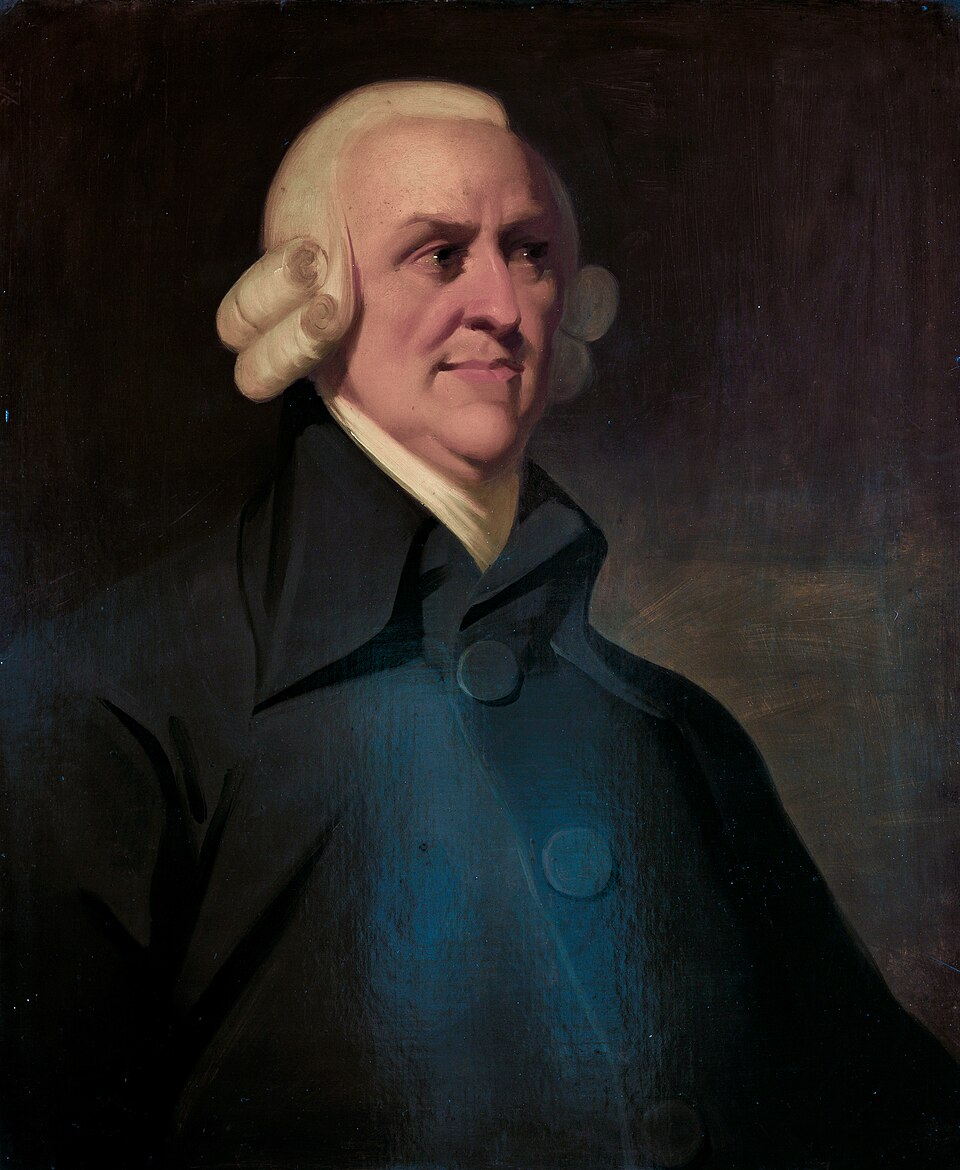
A candidate in Maine, having received what is described as more votes than any previous aspirant for his party’s Senate nomination, now declares that although his name is on the ballot, “that ballot line belongs to the people of Maine.” It is a generous sentiment, uttered at the precise moment when events proceed in the opposite direction. For he is not merely praising the people; he is withdrawing from the contest, and his party, we are told, will select a replacement by a certain date. The line may belong to the people in poetry; in prose, it presently belongs to a committee empowered to turn past enthusiasm into a new, very different, choice.
In my Inquiry into the Nature and Causes of the Wealth of Nations, I observed that we should always discount the testimony of any order of men when speaking of the public interest, for their interest as a class seldom coincides exactly with that of the community. This applies not only to merchants combining to raise prices, but to the managers of political parties combining to manage choice. They speak, very naturally, of “unprecedented energy and enthusiasm” among their followers. Yet the more fervent the attachment of volunteers and voters, the more valuable to leaders is the power to redirect that attachment to a successor of their own designation.
We are not told the motives of the withdrawing candidate, and charity obliges us not to invent them. Health, family, private fortune, or a calculation of electoral prospects may all have had their weight. I have long maintained that we ought not to expect more virtue from men than the common rate; they respond to the motives actually before them, not to lofty exhortations. Self-love, under just rules, is no vice. The more interesting question is not why he steps aside, but why the arrangements of this contest permit one man’s private decision to overturn the recorded choice of more than a hundred thousand of his fellow citizens. The rules of the game, not the players’ characters, determine that their ballots may thus be reassigned.
In The Theory of Moral Sentiments, I argued that we judge propriety by consulting an impartial spectator – a well-informed, disinterested observer who views our conduct from without. Such a spectator, apprised of these facts, would ask whether the process honours the voters’ intentions or merely uses their earlier enthusiasm as a bargaining chip. Those who cast their ballots did so in the belief that they were choosing a standard-bearer, not furnishing a transferable asset to be reassigned in July. To be told that their votes now empower unnamed leaders to “pick a candidate” is, in form, legal; in sentiment, it borders on treating the electors as instruments rather than principals in their own government.
Every alteration in political procedure, like every regulation in commerce, has its visible beneficiaries and its unseen payers. The visible beneficiaries here are party managers, who gain the discretion to reconcile factions, soothe donors, and avoid an open contest under the pressure of time. The unseen payers are the ordinary voters, who must endure confusion, disappointment, and the sense that the real contest occurs in rooms to which they are not invited. Some are even described as content to choose socialist or quasi-communist figures, less from doctrinal zeal than from anger at the establishment. When anger is the only available instrument of protest, we should not marvel if it is employed without delicacy or long foresight.
I have been severe, in speaking of merchants, upon what I called a conspiracy against the public; but the same structural temptation attends any organized body that can limit competition. When a party may substitute its own candidate after the ballots are cast, it enjoys, in politics, a species of monopoly privilege. It does not raise prices; it narrows choice. No great wickedness is required; only the quiet, constant preference of managers for arrangements that enlarge their own discretion, and the equal tendency of citizens to grow habituated to what they cannot easily change. Thus does the market of political competition, which ought to discipline rulers, risk becoming another game played with other people’s votes.
The state’s first duty is the exact administration of justice, and in popular government that justice must include rules of election plain, stable, and visibly fair. I do not propose a fanciful system in which no candidate may ever withdraw, nor any romantic notion that parties can be abolished; they channel opinion as surely as roads channel trade. But where the written law permits abrupt substitutions, it is prudent to amend it by open deliberation, not by improvised manoeuvres excused as emergencies. If trust in the process is spent more prodigally than trust can be replenished, the annual produce of the land and labour will suffer in a way no tariff or tax can repair, for the people will cease to believe that the public game is played for them, and not upon them.
From the works cited
- An Inquiry into the Nature and Causes of the Wealth of Nations — Prices resolve into wages, profit, and rent — and each class's interest relates differently to the public's, so testimony from a class about the public good must be discounted accordingly.
- The Theory of Moral Sentiments — Judge conduct by the impartial spectator: what would a well-informed, disinterested observer feel about this action? Praise-worthiness matters more than praise; to be loved without being lovely is worth nothing, and to be blamed unjustly stings less than to deserve blame.